Backlinks stand as one of the most powerful ranking signals in your e-commerce link-building strategy. Did you know that sites with blogs generate 97% more indexed links than those without one?
A well-placed backlink from a high-authority site can skyrocket your visibility and organic traffic. Google doesn’t play around. Their strict guidelines against manipulative link schemes can lead to severe penalties. Your site might face major ranking drops or complete deindexing. Your ecommerce SEO link-building efforts need to line up with safe link-building methods, especially when dealing with technical SEO for ecommerce.
The algorithm updates in 2024 have made Google better at spotting and devaluing manipulative schemes. Your ecommerce off-page checklist needs careful attention. Natural backlink profiles grow organically over time. They show diverse sources, varied anchor text, and contextual relevance. Understanding Google’s linkbuilding rules isn’t optional—it’s vital for environmentally responsible growth.
Let’s take a closer look at scaling your eCommerce backlinks effectively. You’ll learn to avoid Google penalties and ensure your e-commerce SEO link-building strategy leads to long-term success rather than short-lived gains.
Build A Strong Foundation With Link-Worthy Content
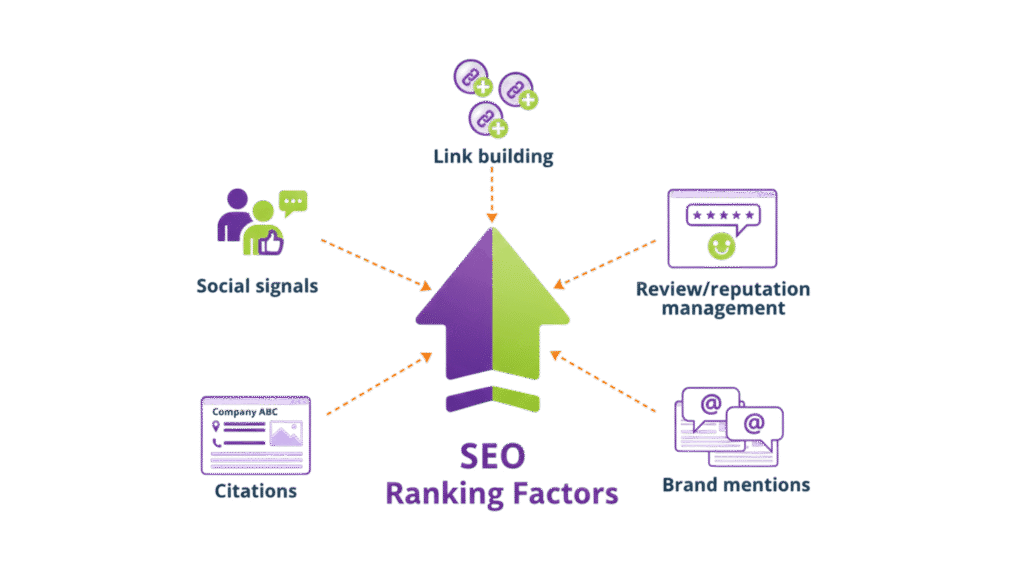
You need something worth linking to before asking other websites to link to your site. A successful e-commerce link-building strategy starts with content that naturally draws backlinks. Research shows websites with high-quality content get substantially more organic links than others.
Create Product Guides And Tutorials
Well-laid-out product guides and tutorials make your ecommerce store an authority and generate natural backlinks. Skip the simple product descriptions. Instead, create in-depth resources that solve specific problems for your audience.
These content types work best:
- Ultimate guides: These detailed, authoritative resources outperform most other content types to attract backlinks. Garden retailer Burpee’s complete planting guides generated hundreds of links.
- How-to tutorials: Step-by-step instructions that tackle common customer challenges make excellent link magnets. FAQ pages about industry problems can rank for numerous long-tail keywords simultaneously.
- Buying guides: Detailed 3,000+ word buying guides that cover every aspect of product selection give bloggers and journalists a reliable resource to reference.
Use Original Research And Data
Original research is one of your most powerful link-building assets. SEO PowerSuite shows data and research that outperform all other content formats to attract backlinks.
First-person research offers exclusive value that journalists and bloggers actively seek. Other websites cite your unique insights as supporting evidence for their content. This creates a natural link-building cycle where your site becomes the go-to source.
Your ecommerce store has valuable data you can turn into linkable assets:
- Analyze your sales patterns to spot interesting trends
- Ask your customers about their priorities (even a 1,000-person survey can generate newsworthy insights)
- Compile industry statistics into a centralized resource
Blog posts get more links than gated PDFs. One well-documented study got links from over 79,000 websites by making all data freely available.
Design Infographics For Visual Sharing
Infographics are exceptional link magnets. Research shows blog posts with infographics attract 178% more backlinks than those without. On top of that, social media posts with visual content get 650% higher engagement than text-only posts.
Infographics work because they present complex information visually. Studies show readers understand text with graphics 323% better and remember information longer. This makes infographics valuable for ecommerce sites that explain product features or comparisons.
These infographic types deliver maximum impact:
- Statistical infographics: Show numerical data in compelling ways
- Comparison infographics: Contrast products side-by-side to highlight differences
- Process infographics: Show steps involved in using your products
Professional design matters when creating infographics. Use original research and stay relevant to your audience. HubSpot’s image traffic jumped 779% in less than 12 months when they optimized file names and alt text with relevant keywords.
Link-worthy content builds the foundation of safe link-building methods that match Google’s guidelines while improving your overall ecommerce SEO link-building results.
7 Safe Link Building Strategies for eCommerce
You’ve created valuable content. Now let’s look at proven strategies that attract high-quality backlinks to your ecommerce store. These methods work within Google’s guidelines and help maximize your link acquisition efforts.
1. Guest Posting On Relevant Blogs
Guest blogging remains one of the most effective e-commerce link-building strategies if done right. The key is to create thoughtful, value-driven content for reputable websites in your industry rather than pursuing mass submissions.
Research shows that guest posting on respected publications related to your client’s industry brings referral clicks, earns links, and improves E-A-T (Expertise, Authority, Trustworthiness). The best results come from high-authority sites (50-60 domain authority) that have solid SEO metrics, including keyword rankings and organic traffic.
Many marketers turn their existing content into guest posts to save time without compromising quality. Note that you should personalize your outreach emails because generic templates get deleted right away.
2. Digital PR And Press Mentions
Digital PR creates buzz for your ecommerce brand while building authoritative backlinks. A 2023-2024 analysis showed that 42.3% of digital PR campaigns were data-driven, showing how brands tap into fresh research to secure authoritative links.
Many professionals see digital PR as more adaptable than traditional link-building methods. A single viral campaign can bring hundreds of new referring domains. Success comes from creating compelling, data-driven stories that publications want to cover.
The best results come from reaching out to micro-influencers, niche bloggers, and major publications that match your goals.
3. Broken Link Replacement Outreach
Broken link building is a chance to help webmasters fix user experience issues while getting valuable backlinks. The idea is simple – find broken links on authoritative websites and offer your relevant content as a replacement.
Tools like Check My Links (Chrome extension) help identify dead links on resource-rich pages. You can then contact the site owner with a helpful message about the broken links and suggest your content as a replacement.
This approach works well because you start by giving value instead of just asking for something. Semrush’s “Broken external links” report helps find broken links across entire websites to scale your efforts.
4. Expert Roundups And Interviews
Expert roundups showcase insights from authorities in your niche. This creates valuable content that naturally attracts backlinks. Start with an interesting topic or question that helps your audience.
This method works in any niche – travel, dating, fitness, finance – because readers value expert opinions everywhere. Experts often share roundups that feature their insights, which multiplies your exposure naturally.
Success comes from asking experts specific, thought-provoking questions rather than generic ones. Expert roundups boost brand awareness, user engagement, and search rankings as one of today’s hot SEO and content marketing trends.
5. Testimonial Link Building
Testimonial link building means giving positive feedback about products you actually use to get a backlink. This strategy is effective because it adds value to the receiving website while establishing your authority.
The steps are simple: find products you use, contact the company about giving a testimonial, write a compelling review, and ask for a link to your site. These links usually appear on homepages, making them very valuable.
Video testimonials are beneficial because they provide site owners with more value and typically earn stronger backlinks. Focus on products you truly like to keep things authentic.
6. Internal Linking Across Product Pages
Internal linking is vital for your ecommerce SEO link-building efforts, even though it’s not about external backlinks. Strategic connections between related products and categories help visitors navigate your site and make it easier for search engines to crawl your pages.
Your site’s internal linking structure works like a hidden superpower. It lets you direct link equity to revenue-generating pages. Popular blog posts and your homepage store authority that flows to product pages through strategic internal links.
Good internal linking shows your site’s architecture and hierarchy by creating clear paths for users. This makes crawling more efficient, spreads authority across your site, and helps underperforming pages.
7. Resource Page Submissions
Resource pages list helpful links on specific topics – and they actively seek quality content. Industry surveys rank this as the second most popular link-building strategy.
Search strings like “keyword + inurl:resources” or “keyword + ‘useful resources'” help find relevant resource pages. Check if potential targets link to external sites and have good authority metrics before reaching out.
Personalized outreach works better. Make it simple for site owners by suggesting exactly where your link should go. Finding broken links on these pages before reaching out can boost your success rate.
RankFast are experts in white-hat link-building techniques. We help drive sustainable growth for your online store while staying within Google’s guidelines.
Avoid These Common Link Building Mistakes
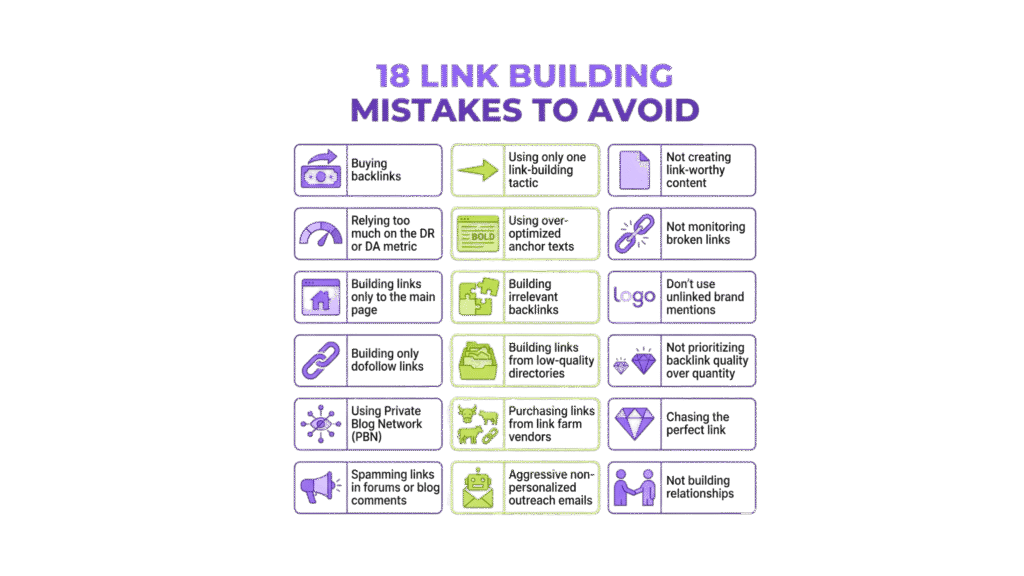
You need to know what to avoid while building your e-commerce link-building strategy. A wrong move can trigger penalties that wipe out months of hard work. Let’s take a closer look at dangerous practices that break Google’s guidelines.
Buying Links From Low-Quality Sites
Purchasing backlinks might look like a quick path to ranking success, but it breaks Google’s spam policies. Studies show that 67% of penalized sites got more than half their backlinks from paid sources. These purchased links usually come from link farms or spammy websites that hurt your site’s credibility.
The risk of penalties isn’t the only cost of buying links. Google might issue manual actions that reduce your visibility in search results by a lot or remove your site from the index completely. You’ll end up losing your investment and any traffic to pages that those links helped rank.
Overusing Exact-Match Anchor Text
Your ecommerce SEO link-building success depends on natural anchor text distribution. Research shows pages with diverse anchors rank 28% higher than over-optimized ones. Sites with anchor diversity above 40% are nowhere near as likely to trigger Google’s spam detection.
A natural anchor profile needs:
- Branded anchors (your company name)
- Generic phrases (“learn more,” “read here”)
- Partial match keywords (variations of your target phrases)
Google’s algorithms, especially Penguin, look for unnatural link patterns. Too many inbound links with similar keyword-rich anchor text look manipulative.
Using Automated Link-Building Tools
Automated link-building tools care more about quantity than quality, which creates patterns that Google notices quickly. These tools promise fast results but leave predictable footprints that search engines spot easily.
These automated systems can’t check quality properly. They often pick up domains that look good at first but fail deeper quality checks. Your backlink profile ends up full of low-authority links that don’t bring referral traffic or SEO value.
Participating In Link Exchanges Or PBNs
Private Blog Networks (PBNs) and link exchanges give you control over placement and anchor text, but they violate Google’s core policies. PBNs exist to manipulate link equity by channeling all SEO value from support sites into one “money site.”
Google started taking action against PBNs in 2014, and their detection systems have gotten better over the last several years. They spot shared IP addresses, similar hosting providers, and website templates that look alike across network sites.
The best way to handle ecommerce off-page optimization is to stick to legitimate strategies that line up with Google’s guidelines. RankFast helps with technical SEO for ecommerce and safe link-building methods that accelerate growth without risking penalties.
Track and Optimize Your Backlink Profile
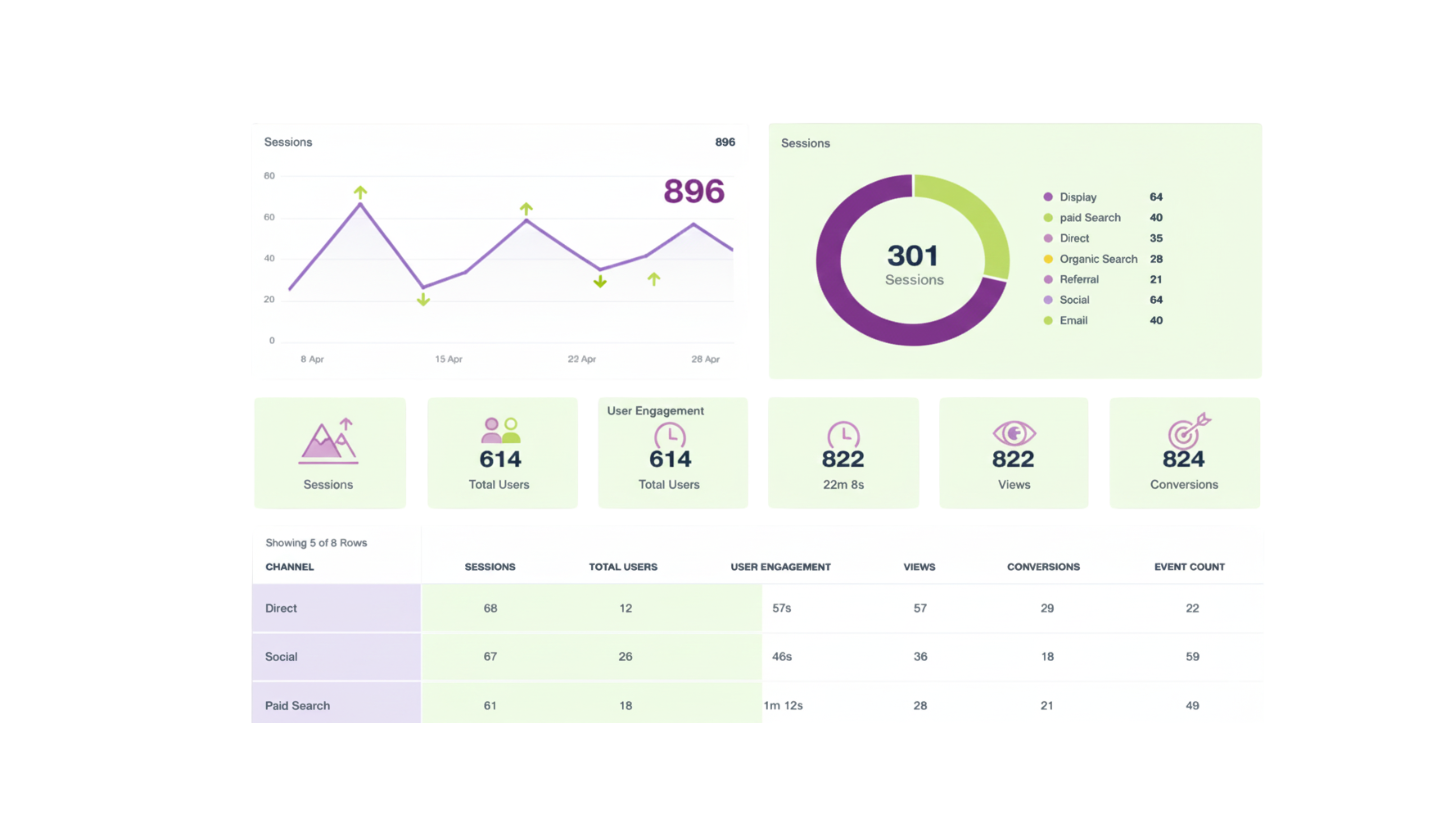
Quality ecommerce link building requires more than just getting backlinks—you need to monitor and optimize them continuously to get significant long-term results. Your regular analysis will help spot opportunities and prevent Google penalties from harmful links.
Monitor New And Lost Links
Tracking changes in your backlinks will teach you about your e-commerce link-building strategy. Tools like Ahrefs, SEMrush, or Google Search Console give you complete monitoring capabilities. You waste your marketing budget and lose a valuable asset when you lose an important backlink. Most backlink tools will notify you about linking domain changes, which lets you recover lost links by contacting website owners. The best approach is to set up weekly or monthly email summaries that track backlink changes.
Analyze Anchor Text Distribution
You need a natural anchor text profile to avoid over-optimization penalties. Research shows healthy profiles use branded anchors about 40% of the time, generic phrases 30%, naked URLs 20%, and exact-match keywords just 10%. Pages with diverse anchors achieve 28% higher average rankings than over-optimized ones. Your regular anchor text distribution analysis helps spot potential red flags before algorithm penalties hit.
Use Ecommerce Off-Page Checklist
Regular backlink audits help assess link quality and relevance pointing to your site. This process reveals ways to build a stronger profile and improve search visibility. Your focus should be on analyzing Authority Score, referring domains count, and overall toxicity score. You should identify and disavow toxic backlinks with money or compound anchor texts that show high Toxicity Scores.
Measure Referral Traffic And Conversions
Quality backlinks should bring engaged visitors to your site, beyond their SEO value. Google Analytics 4 helps analyze referral traffic through session source/medium. Focus on engagement rate, key events, event conversion rate, and revenue metrics. Your top referral sources might reveal opportunities for strategic collaborations that bring quality traffic and leads. UTM parameters on outbound links will track your best-performing campaigns.
These key elements need consistent tracking to keep your ecommerce off-page optimization efforts in line with Google’s guidelines while driving steady growth.
Why Choose RankFast for eCommerce Link Building
The right partner for your e-commerce link-building needs can transform your SEO success. RankFast distinguishes itself as a specialized agency that focuses on ethical approaches to boost your site’s authority and visibility.
White-hat Strategies Tailored For Ecommerce
RankFast employs white-hat, individual-specific link-building strategies crafted for ecommerce websites. Their team creates high-quality content that naturally draws authoritative backlinks. Most agencies rely on questionable tactics, but RankFast champions environmentally responsible growth through methods that comply with Google’s guidelines. Their e-commerce link-building strategy puts relevance and authority first—two essential elements that drive long-term SEO success.
Manual Outreach And Editorial Placements
RankFast’s team connects with relevant websites through careful, personal outreach to secure high-quality backlinks. Manual approaches produce better placements than automated tools, despite needing more time and effort. The team assesses potential link sources based on domain authority, organic traffic, niche relevance, and engagement metrics. Your ecommerce site gets real value from every placement.
Transparent Reporting And Link Quality Checks
Transparency is the lifeblood of RankFast’s ecommerce SEO link-building process. The team analyzes these metrics before placing links:
- Domain Rating and authority
- Monthly organic traffic volumes
- Traffic sources and authenticity
- Topic and niche relevance
This detailed process lines up technical SEO for ecommerce with safe link-building methods to deliver measurable results.
Proven Results With Global Ecommerce Brands
RankFast’s results tell their story. Their clients have seen remarkable improvements, including more than 100 keyword rankings on Google SERPs and over 20 keyword placements in the top 10 results. Their complete ecommerce off-page checklist guides everything from technical optimization to strategic content development and link-building. Ecommerce brands see consistent improvements in website traffic and visibility.
Conclusion
Your eCommerce store needs a strategic balance between aggressive growth and Google’s guidelines when building backlinks. Link-worthy content forms the foundation of sustainable link acquisition. Natural links come from original research, infographics, and detailed guides rather than forced connections that could lead to penalties.
Tracking new links is crucial to your eCommerce link-building strategy. You should analyze anchor text distribution and measure referral traffic. This helps you find ways to improve your backlink profile and spot potential problems before they cause penalties.
Building sustainable backlinks takes time and expertise. You might feel tempted by quick fixes, but ethical link building compounds returns without fear of algorithm updates. RankFast‘s link-building services can help you build a reliable backlink profile. Their Google penalty checker keeps your site in good standing. Start building the right foundation for your eCommerce success today.
FAQs
What are some safe link-building strategies for eCommerce websites?
Safe strategies include creating product guides and tutorials, leveraging digital PR for press mentions, participating in expert roundups, offering testimonials to partners, and optimizing internal linking. Additionally, consider resource page submissions and strategic guest posting on industry-relevant blogs.
How can I avoid common link-building mistakes that may lead to penalties?
Steer clear of buying links from low-quality sites, overusing exact-match anchor text, and participating in link exchanges or private blog networks (PBNs). Avoid automated link building tools and focus on manual, quality-focused outreach efforts that align with Google's guidelines.
What should I do if I receive a manual action for unnatural links?
If you receive a manual action, immediately audit your backlink profile. Remove or disavow problematic links, focusing on those that violate Google's guidelines. Then, submit a reconsideration request detailing the steps you've taken to resolve the issue and your commitment to following best practices moving forward.
How can I track and optimize my backlink profile effectively?
Regularly monitor new and lost links using tools like Google Search Console or third-party SEO software. Analyze your anchor text distribution to ensure it looks natural. Track referral traffic and conversions from your backlinks to assess their quality and relevance. Consider implementing an ecommerce off-page checklist to maintain a healthy link profile.