
A business’s credibility depends heavily on its website – 75% of people make judgments based on it. This fact becomes even more important when we talk about healthcare trust signals.
Research shows that 56% of consumers won’t trust brands without a website. Your site’s loading speed matters too – 20% of viewers leave between the fourth and fifth second of loading time. Healthcare providers face a real challenge to build patient trust online because of these factors.
Patients choose healthcare facilities based on trust. A healthcare website needs more than just a professional look to establish credibility. Your goal should be to create genuine trust through smart design and clear messaging that connects online and in-person experiences.
This piece shows you how to create healthcare content marketing strategies that work while balancing clarity, compliance, and compassion. You’ll learn practical ways to optimize your healthcare website. This matters because 61 million adults in the United States have some type of disability, and your site needs to build confidence with all potential patients.
Design for Patient-Centered Experience
Building a patient-centered healthcare website means understanding how people interact with your digital platform. Research shows that 94% of consumers say easy navigation matters most on a website. Your site’s trustworthiness starts with seeing it through your patients’ eyes.
Make Navigation Intuitive And Simple
Healthcare website visitors often arrive with urgent or stressful needs. A well-laid-out navigation system helps reduce anxiety and lets patients find information quickly. Your navigation builds credibility when you:
- Create logical content organization with clear menu structures
- Write descriptive labels instead of medical specialties or internal jargon
- Show essential patient actions (appointment booking, contact info) clearly
- Add search features that understand common terms and questions
The way patients imagine their health needs matters too. Rather than organizing by medical departments, structure your content around conditions, symptoms, or common patient questions. This patient-first approach shows empathy and builds trust online.
Avoid Medical Jargon In Content
Medical terminology creates a gap between providers and patients. Using “ambulate” instead of “walk” and “erythematous” instead of “red” leads to confusion. Studies show healthcare websites often use language at a 12th-grade reading level, while approximately 130 million Americans struggle with literacy.

Patients who don’t understand medical terms might:
- Look for answers on unreliable websites
- Feel frustrated or disrespected
- Miss important details about their care
- Stay away from treatment completely
Plain language doesn’t mean “dumbing down” information—it helps patients make informed healthcare decisions. Clear communication builds trust through accessibility and drives content marketing success.
Highlight Services Patients Care About Most
Patients visit your website looking for solutions to health concerns, not details about technology or clinical achievements. Your medical website should feature:
- A homepage with quick practice information
- Service pages that explain treatments clearly
- Provider profiles showing credentials and patient reviews
- Easy appointment booking and contact details
- Educational resources in simple language
Patient-focused websites present content based on visitor needs rather than facility promotions. This means showing services that address common patient concerns and making them easy to find.
A website that puts patient needs first through simple navigation, clear language, and relevant services creates trust. Your thoughtfully designed site shows you value patient understanding and accessibility—qualities that build confidence in your physical practice too.
Ensure Fast And Accessible Website Performance
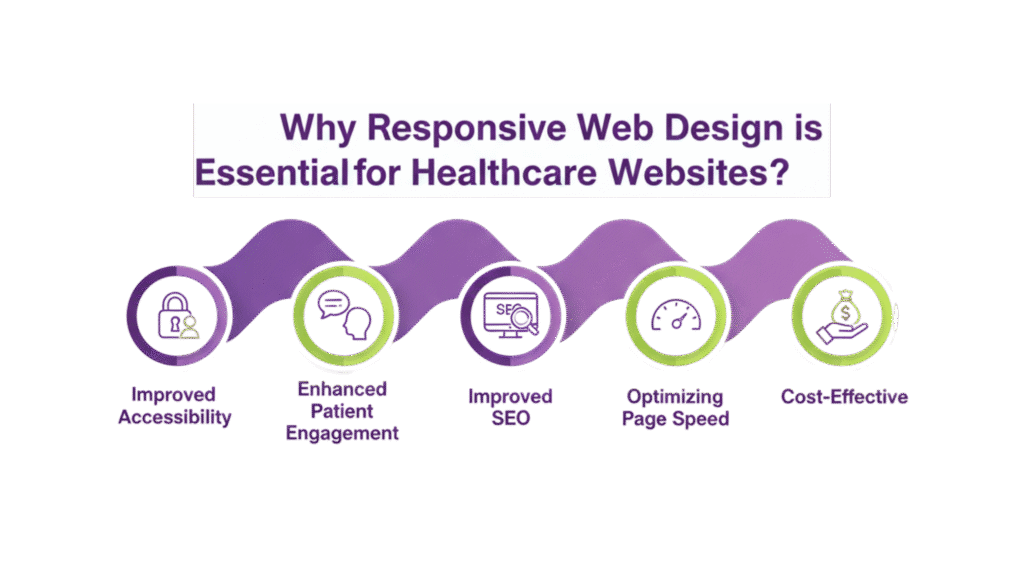
Your healthcare website’s technical performance shapes how patients see your practice. Studies show that a one-second delay in loading time can substantially reduce conversion rates. These technical aspects create powerful healthcare trust signals that patients subconsciously review when choosing their healthcare provider.
Optimize For Fast Load Times
Healthcare websites should load within three seconds on desktop and mobile devices. Slower speeds risk losing potential patients before they can view your content. Here’s how to achieve optimal speed:
- Compress and optimize images using modern formats like WebP while maintaining visual clarity
- Use lazy loading so images and videos load only when needed
- Minify CSS/JS files and use browser caching for faster repeat visits
- Check third-party scripts that could slow down your site
Healthcare providers who struggle with website performance can use testing tools like Google PageSpeed Insights or GTmetrix to get valuable diagnostics. These tools spot specific bottlenecks and suggest improvements. Quality web hosting with low latency will keep your site responsive during peak traffic periods.
Need help improving your healthcare website’s performance? Professional SEO for healthcare services designed for medical practices can boost loading speeds while maintaining HIPAA compliance standards.
Use Responsive Design For Mobile Users
Mobile devices generate more web traffic than desktop computers since 2015. Your patients will likely visit your website from tablets or smartphones rather than traditional computers. Responsive design builds healthcare website credibility.
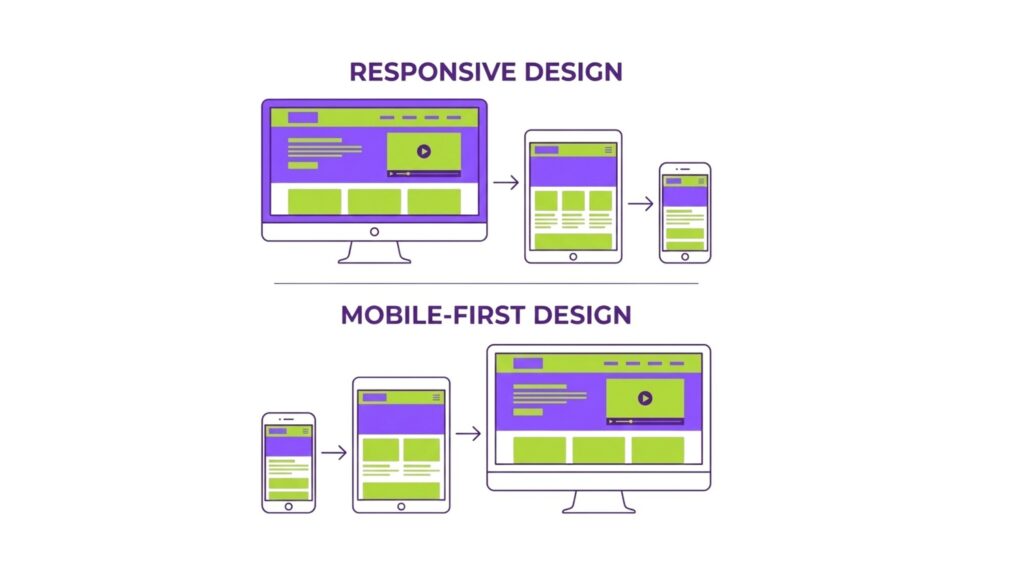
Responsive healthcare websites adjust to different screen sizes and offer:
- Larger, easier-to-tap buttons for appointment scheduling
- Readable font sizes without zooming
- Clean layouts that prevent horizontal scrolling
- Quick loading on mobile networks
These improvements yield real benefits. Mobile-friendly healthcare sites often see 50% better search visibility and 50% more user engagement. These numbers directly relate to patient trust online. Visitors who find your site easy to use tend to trust your clinical expertise.
Follow Accessibility Best Practices
Accessible website design ensures healthcare information reaches everyone, including people with disabilities. Text-to-speech functionality, high-contrast viewing modes, and keyboard navigation options show your steadfast dedication to inclusive care.
Accessibility compliance protects against potential legal issues under the Americans with Disabilities Act while being ethically sound. Healthcare websites must include:
- High-contrast color schemes that help visually impaired users read content
- Font sizes suitable for everyone, particularly those with visual impairments
- Text alternatives for all non-text content
- Forms and interactive elements compatible with assistive technologies
Patient trust develops through many small interactions. A website that works perfectly for every visitor shows professionalism and attention to detail—qualities patients seek in healthcare providers. Strategic healthcare content marketing that focuses on performance and accessibility creates a digital experience matching your in-person care quality.
Make Contact And Support Easy To Find
Clear contact information stands as one of the strongest trust signals on healthcare websites. Your healthcare site won’t succeed if patients can’t find ways to connect with your practice. Potential patients will likely choose another provider if they need to click multiple links or scroll too much to find simple contact details.
Display Contact Info On Every Page
Your website needs contact information in strategic places to create opportunities for patient connections. Industry experts suggest placing vital business information in multiple locations:
- Top menu or header area
- Footer section on every page
- Sidebar menus (especially if “sticky”)
- High-traffic pages and posts
Healthcare practices with multiple locations should add an interactive map to help patients find the nearest office. This feature substantially improves user experience, especially for mobile users trying to find your facility while traveling.
Use Clear Calls-To-Action For Appointments
Compelling calls-to-action (CTAs) convert patients by connecting initial interest to actual service engagement. Individual-specific CTAs perform 202% better than simple ones. Your appointment-focused CTAs will work better if you:
Start with strong action verbs that spark immediate response. “Book Your Appointment Today” or “Access Your Health Records” work better than generic phrases. Place these CTAs where they stand out—in headers, footers, or as sticky elements.
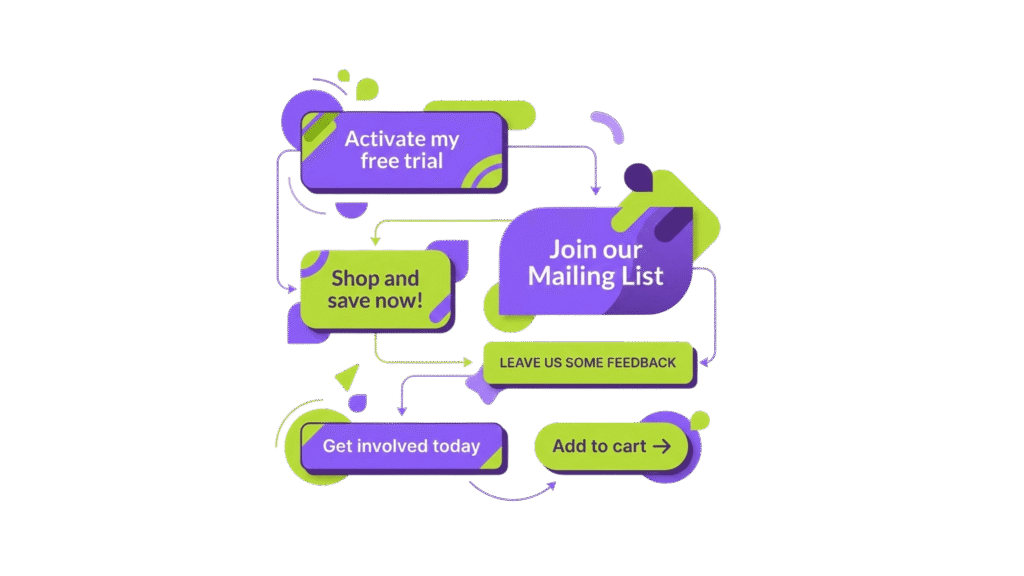
It’s worth mentioning that exceptional healthcare content marketing needs clear calls-to-action. Healthcare website credibility experts point out, “In virtually all forms of advertising, if you don’t tell people what you want them to do, they won’t do it”. You can get help to optimize your healthcare website’s conversion elements through Professional SEO services designed for medical practices to boost patient trust online and appointment bookings.
Offer Live Chat Or Support Options
The telemedicine industry will reach $500 billion by 2032, growing at 16.4% annually. This rapid growth shows how comfortable patients feel with digital communication tools. Live chat support brings several advantages:
- Immediate interaction when patients research options
- Quick answers to billing questions and general inquiries
- Lower support costs compared to phone systems
- Better patient experience through 24/7 availability
A chatbot with pre-populated answers to common questions can screen visitor questions before they reach your staff. This approach increases patient satisfaction while saving your team’s time for more important interactions.
Available contact and support options create powerful healthcare trust signals that show potential patients they’ll receive attentive care online and in person.
Build Trust Through Compliance and Security
Patient trust in healthcare websites relies heavily on security and compliance standards. Recent statistics show 82% of healthcare security incidents in 2023 stemmed from human errors. Strong protection of patient information builds healthcare website credibility.
Ensure HIPAA Compliance For All Forms
The Health Insurance Portability and Accountability Act (HIPAA) sets national standards that safeguard patient health information. Your website forms collecting patient data must meet HIPAA compliance requirements. This protects against data breaches and helps avoid substantial penalties. These regulations apply to basic contact forms when they collect identifiable health information.
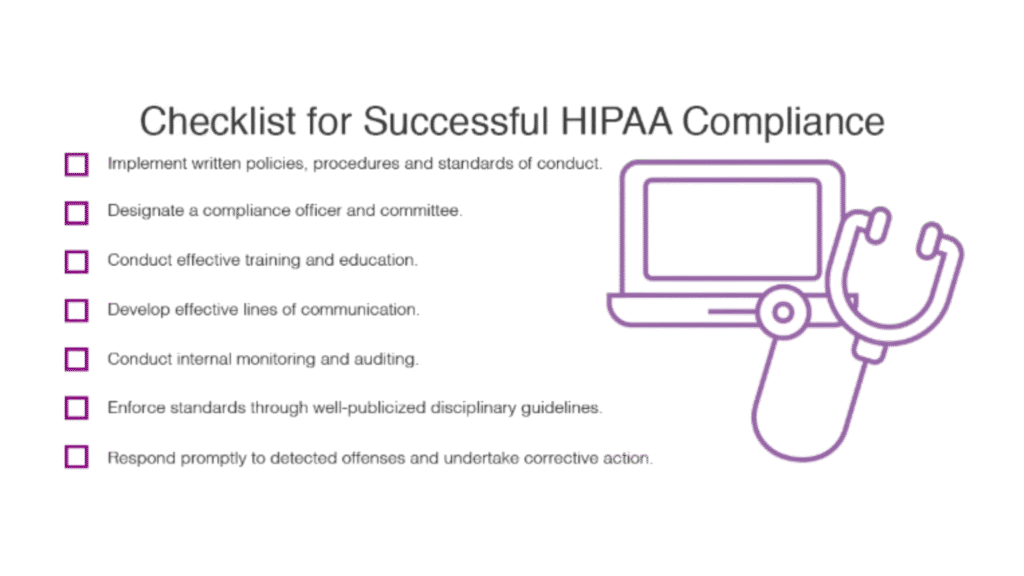
A trustworthy form system should:
- Use encrypted web-forms that guard entered data with a secure key
- Avoid including PHI in automated email notifications
- Implement required fields to ensure complete information capture
- Add auto-complete functionality that populates PHI across multiple forms
Organizations can strengthen their online forms through RankFast‘s specialized SEO services. These services help blend security with usability.
Use SSL Encryption For Data Protection
SSL certificates verify your website’s identity and create encrypted connections between servers and users’ browsers. This encryption plays a vital role because patient information would otherwise transmit as clear text, making it vulnerable to malicious actors.
Healthcare organizations report 41% fewer ransomware incidents when they use strong encryption. A combination of transport layer security (TLS) for data in transit and advanced encryption standard (AES) for stored information creates reliable healthcare trust signals.
Avoid Displaying Sensitive Patient Data
HIPAA mandates that protected health information stays confidential, with proper safeguards limiting access. Patient data needs protection during transmission and storage through encryption that meets regulations while remaining practical.
Website security best practices include:
- Never store payment data after processing
- Implementing automatic logoff systems
- Using FIPS-validated encryption methods
- Enforcing TLS 1.3 standards for secure connections
Your steadfast dedication to patient data protection through visible security measures builds trust online. This establishes your practice as one that values both privacy and quality care.
Create a Unique and Professional Brand Presence
Visual branding elements are the life-blood of healthcare website trust. Your first impressions matter greatly. Inconsistent design elements like mismatched colors or outdated fonts make visitors question your credibility immediately.
Avoid Generic Templates
Stock healthcare templates will make your practice blend in with competitors. Your patients can spot generic designs right away, which hurts your healthcare website’s credibility. You should establish a unified color palette, consistent logos, and standardized iconography to show competence and reliability. A distinctive digital identity shows your practice’s commitment to quality patient care.
Use High-Quality Visuals And Copy
Research shows that people retain only 10% of information without visuals, yet remember 65% when they see relevant images. We avoided generic stock photography that shows “smiling people in vaguely clinical rooms”. You should invest in professional photography that captures your actual facility, staff, and equipment. These authentic visuals build stronger healthcare trust signals than stock imagery ever could.
Proofread For Grammar And Accuracy
Careful proofreading stands as a crucial element of professional healthcare content marketing. Small errors in spelling, grammar, or punctuation can damage patient trust online. Thorough editing will give a polished feel to your content, clear communication, and reinforces your expertise. You must review all website copy carefully. Pay special attention to medical terminology, provider credentials, and service descriptions because accuracy directly affects your healthcare website’s credibility.
Conclusion
A trustworthy healthcare website needs several key elements working together. This piece explores how patient-centered design, accessible navigation, and clear content are the foundations of digital trust. Quick-loading pages and accessibility features improve the user experience and show your steadfast dedication to patient care.
Trust signals don’t work in isolation – they form a unified system. Patients evaluate healthcare providers through both conscious and unconscious factors in their digital interactions. You might want to work with specialists like RankFast’s best SEO services for healthcare to optimize these trust elements while staying compliant with medical standards.
Your website acts as a digital front door to your practice. Each design choice, security measure, and content decision shapes patient confidence. These strategies, when applied consistently, create a digital experience that truly shows your dedication to exceptional patient care – online and in person.
FAQs
What are some key elements of a trustworthy healthcare website?
Key elements of a trustworthy healthcare website include intuitive navigation, jargon-free content, fast loading times, accessibility features, clear contact information, visible appointment booking options, HIPAA compliance, SSL encryption, and high-quality visuals and copy.
Why is website performance important for healthcare providers?
Website performance is crucial for healthcare providers because it directly impacts patient perception and trust. Fast load times, mobile responsiveness, and accessibility features ensure a positive user experience, which can lead to higher engagement and conversion rates.
How can healthcare websites ensure patient data protection?
Healthcare websites can protect patient data by implementing HIPAA-compliant forms, using SSL encryption for data transmission, avoiding the display of sensitive information, and following best practices such as automatic logoff systems and FIPS-validated encryption methods.
What role does branding play in healthcare website credibility?
Branding plays a significant role in healthcare website credibility by creating a unique and professional presence. This includes avoiding generic templates, using high-quality visuals and copy, maintaining consistent design elements, and ensuring all content is meticulously proofread for accuracy and professionalism.