Local SEO pricing continues to evolve dramatically as we approach 2026. Google’s data shows 46% of all searches now look for local information. Business owners with physical locations should pay attention to these numbers. “Near me” searches have surged 900% in the past two years. Getting this traffic has become costlier and more complex since Google’s AI update.
Your business probably feels these changes already. The cost of Google Ads and Local Service Ads in 2025 has reached record levels. Home-service niches face higher costs per click and per lead. Google’s new AI Overviews now appear above organic search results, especially for local questions. Small businesses must quickly adjust their local SEO strategies to remain competitive. More owners now seek experienced local SEO consultants who understand these market changes.
Today’s most successful local SEO packages include strategies tailored to this new digital world. Local SEO experts continue to develop creative ways to reduce rising costs.
The New Local SEO Landscape in 2026

The local SEO battlefield of 2026 looks nothing like it did a few years ago. Google’s AI update has reshaped the scene, making businesses rethink their local SEO pricing investments.
AI Overviews and Gemini in Maps
Google’s advanced Gemini 3 model now powers AI Overviews worldwide. This marks a fundamental change in how local businesses show up in search results. These AI-generated summaries now own the premium “Position 0” spot above traditional results. They often push down or replace the usual local pack. Your business might see up to 61% drop in organic click-through rates if it doesn’t appear in these overviews.
Gemini’s impact goes beyond standard search. It has replaced Google Assistant in Maps to offer conversational, context-aware navigation. This smart system processes multiple information types at once: voice commands, camera visuals, and live traffic updates. Your local SEO services for small businesses must adapt to these AI-first experiences or risk becoming invisible.
Voice And Visual Search Are Now Mainstream
Over 60% of users talk to voice assistants daily in 2026. This matters because voice queries work differently than typed searches. People speak in longer, more conversational phrases and ask direct questions.
The numbers tell an interesting story about local SEO pricing. Local intent dominates voice searches. About 58% of consumers use voice search to find nearby businesses. Smart speaker owners are active users – 76% look up local information at least weekly. “Near me” and hyperlocal searches have jumped 150% since 2024.
Voice search SEO has raised the technical bar. Businesses need:
- Lightning-fast page load speeds
- Mobile-first design optimization
- Secure connections
- Structured data implementation
- Clear HTML hierarchy
Why Traditional Rankings Aren’t Enough Anymore
Search has become more complex. A good Google Maps ranking alone won’t cut it anymore. Let’s take a closer look at the numbers:
AI answer engines like Perplexity handled 780 million queries in May 2025. Google’s AI Overviews push regular organic links down the page, reducing their visibility.
Your local SEO consultant now needs to manage visibility everywhere – Google Maps, Apple Business Connect, AI platforms, and visual tools like Google Lens and TikTok.
The message is clear – top rankings don’t guarantee visibility. Even Position 1 businesses might see little traffic without presence in AI Overviews or AI Mode. Modern local SEO packages must build “Entity Authority” – verified, consistent business information across the web.
These changes bring new possibilities. Local searches often lead to real-world actions – phone calls, visits, or appointments. This explains why local SEO expert services remain valuable in the AI era.
What’s Driving Local SEO Costs Higher in 2026
Your local SEO pricing budget in 2026 faces pressure from many directions. The digital world has created new cost factors that weren’t important a few years ago.
More Competition For Top Local Pack Spots
The race to appear in Google’s local pack has heated up. Businesses now spend 64% more on local SEO campaigns than in 2024. Getting a spot in the top three local results has become tough in any discipline.
The competition is high because search results show fewer businesses. Google displays only three businesses in the local pack—down from seven spots in earlier years. This creates a bottleneck where thousands of businesses fight for limited space. AI Overviews now take prime positions, making these spots even more valuable.
Your business will find that local SEO services for small businesses have gone up. The average monthly investment in competitive markets has jumped from $500-$1,500 to $1,200-$3,000, based on market size and competition.
Increased Need For High-Quality Content And Visuals
Content needs have grown beyond text optimization. Google values rich visual experiences in its ranking system, especially for local searches. Quality photos and videos are must-have elements. Businesses that update their visual content see 37% higher conversion rates than those using static images.
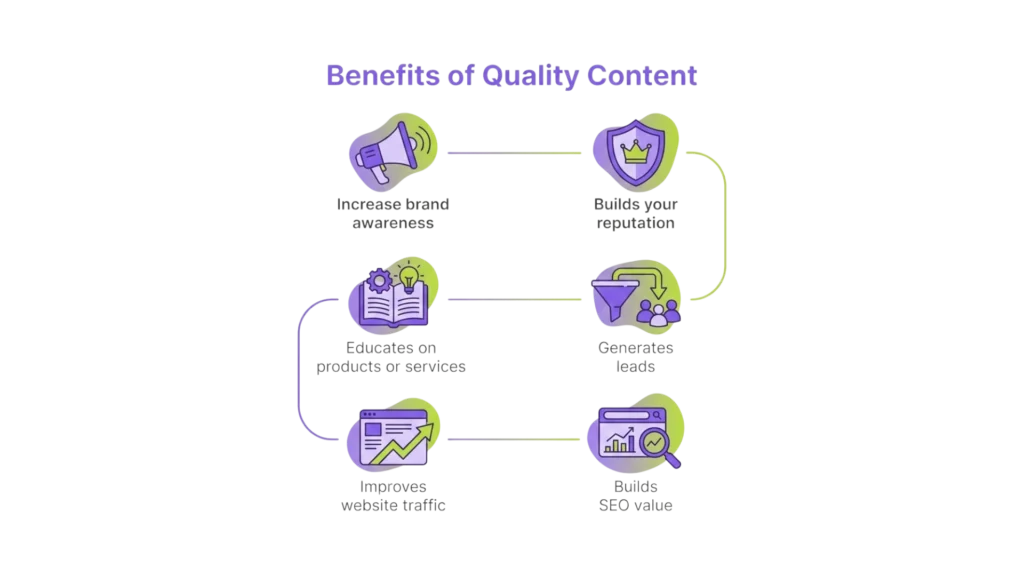
Creating quality content costs more now:
- Professional photo sessions cost $800-$1,500 per location
- Custom video production costs $2,000-$5,000 for simple packages
- 360° virtual tours—a key ranking factor—cost $350-$1,000 per business location
Each service area needs its own location-specific content, which multiplies costs across locations. This explains why local SEO expert services cost more in 2026.
Ongoing GBP Management And Review Generation
Google Business Profile management isn’t a one-time task anymore. Daily updates, post scheduling, and quick responses to questions and reviews affect visibility a lot.
Review management has become more complex. Businesses need 4-6 new reviews each month with ratings above 4.2 stars to stay visible. This needs a planned approach to review generation and reputation management.
Top local SEO packages now come with review management platforms that add $200-$500 to monthly costs.
Need For Structured Data And Schema Implementation
Technical SEO has become more complex. Structured data isn’t optional anymore—Google uses schema markup as a key ranking signal for local businesses.
You need special skills to set up and maintain a local business schema. Businesses without this markup see 43% lower visibility in local searches compared to others with good schema setup.
These new requirements make working with a qualified local SEO consultant essential for businesses that want to keep their local digital presence strong in 2026.
Key Elements That Impact Your Local Seo Budget
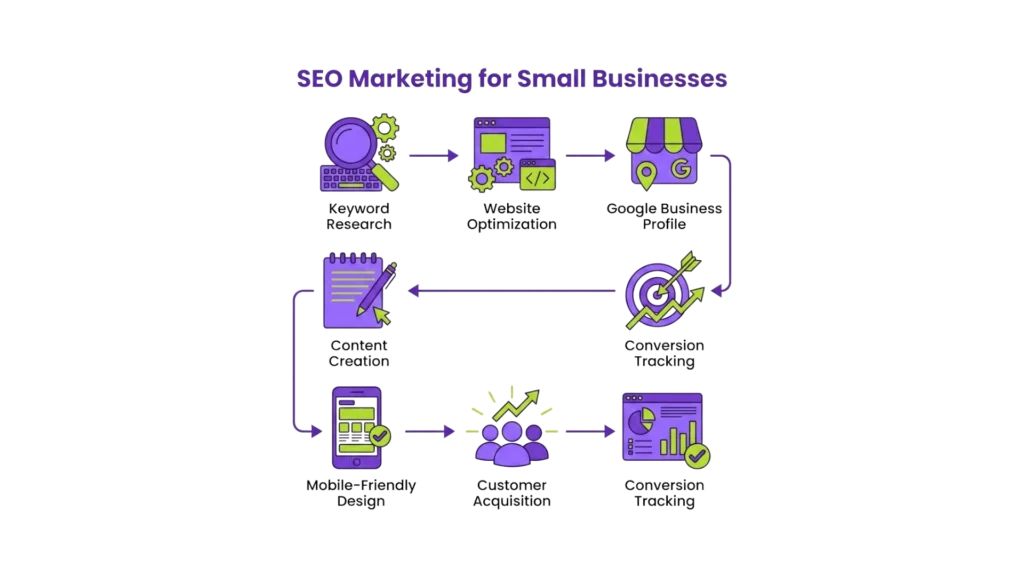
Your local SEO budget allocation depends on knowing which elements give you the best return on investment. Every dollar matters in your digital marketing strategy. Let’s get into the elements that will affect your spending decisions in 2026.
- Google Business Profile Optimization
Your Google Business Profile (GBP) is of any local SEO strategy that works. Businesses with complete GBP listings are 2.7 times more likely to earn customer trust. This vital component needs 3-5 hours of professional management monthly and costs between USD 300-750 per location. Good optimization needs:
- Regular updates with accurate business information
- High-quality, location-specific photos and videos
- Consistent posting of events and offers
- Quick responses to questions and reviews
GBP itself costs nothing, but professional optimization to stand out in 2026 takes much of your local SEO pricing budget.
- Creating Location-Specific Service Pages
Search engines need dedicated content for each location your business serves. Your investment grows with each new location because each needs unique landing pages optimized for location and service keywords.
Multi-location businesses face proportional cost increases. Each new location adds USD 300-800 to monthly SEO costs. Quality content for these pages runs USD 150-400 per piece. Effective campaigns need 2-4 new pieces monthly.
- Review Management Tools And Automation
Reviews affect both rankings and conversion rates directly. 83% of consumers read Google reviews before choosing where to shop. This makes review management vital for your local SEO packages.
Professional review management needs:
- Automated review request systems
- Monitoring across multiple platforms
- Crafted personal responses
Most agencies spend 2-4 hours monthly on review management per location, which costs USD 200-600 monthly. Dedicated review management platforms add USD 200-500 to your monthly budget.
- Hiring a Local SEO Consultant Or Agency
Local SEO consultant or agency pricing comes in different forms:
- Monthly retainers (most common): USD 750-1500 for basic services, USD 2500+ for competitive industries
- Project-based pricing: One-time fees for specific deliverables like audits
- Hourly consulting: USD 50-150 per hour for freelancers
Your business’s size and complexity drive costs substantially. To cite an instance, a three-location business might pay USD 2000-4000 monthly while a single location with similar services costs USD 1200-2000.
- Visual Content Creation For Lens and Maps
Visual search has become mainstream, making high-quality imagery essential. Google Lens and Maps searches need professional photography, 360° tours, and geo-tagged photos to perform well.
Professional photography sessions cost USD 800-1500 per location. 360° virtual tours—now a big ranking factor—run USD 350-1000 per business location. Professional visual content services are worth the investment. Businesses that update photos regularly see 37% higher conversion rates than those with static imagery.
What changed in Ranking Factors After The AI Update
Google’s AI update has altered the map of factors that matter most for your local visibility. These changes will affect your local SEO pricing as businesses adapt to a completely different ranking world.
Behavioral Signals Now Matter More Than Backlinks
User interaction data has become the new ranking currency. Click-through rates, dwell time, and user activity now substantially affect local rankings. Businesses that get photo engagement and quick review responses keep steady positions even during competitive peaks. Google’s algorithms see profiles with regular activity as “alive.” One landscaping business saw a 21% increase in local search impressions after they started weekly Google Business Profile posts. Your local SEO consultant should focus on getting meaningful user interactions rather than just building links.
Review Content Relevance And Recency
Recent feedback is vital since 85% of consumers look at review dates before they decide. Quality beats quantity—55% of consumers would rather see products with fewer recent reviews than those with many old ones. Reviews older than three months matter to only 47% of consumers, while year-old reviews matter to just 25%. Your local SEO packages must include strong review generation plans. The AI looks at review content for specific business traits like “fast service” or “knowledgeable staff”, not just star ratings.
Proximity Vs Trust: How Google Balances Both
You compete against Google’s need for certainty as much as other businesses. Google’s semantic parsing system (NlpSemanticParsingLocalBusinessType) checks if your business qualifies for specific searches before applying standard ranking factors. Clean data has become vital—Google’s AI suggestions skip businesses with incomplete information or outdated profiles. Your local SEO services for small businesses need perfect data feeds that build trust signals, Gemini understands.
Landmark-Based Navigation And Visibility
Navigation patterns shape rankings as Google watches “good clicks” and “longest last clicks”. The system looks at how far people will travel to reach businesses. A wider “click radius” shows destination status. Your local SEO expert must optimize for both voice and visual search since these methods drive more navigation choices. Businesses showing up in landmark-based navigation need local SEO pricing that covers optimization for contextual discovery beyond just location.
How to Control and Reduce Your Local SEO Costs
Smart budget-friendly strategies will help you maintain effective local SEO without overspending. The right planning and resource allocation will maximize your results at minimal cost.

Use Pre-Built Templates For Service Pages
Building location-specific service pages from scratch wastes time and money. A better approach is to invest in pre-built templates that follow the AIDA framework (Attention, Interest, Desire, Action) to maximize conversions. These templates give you structure while letting you customize for each location, which reduces development costs by 30-50%. You’ll find basic templates from free sources like HubSpot or WordPress themes, while premium options ($19-299/month) give you advanced features like A/B testing and personalization.
Focus On High-Converting Locations First
Each location brings different returns. Your priority should be monitoring search rankings, traffic, and conversions at the local level—not just site-wide. This detailed analysis helps you spot locations that generate the most business. You can allocate your local SEO budget more effectively by prioritizing optimizations where they matter most.
Automate Review Requests and GBP Updates
Manual review collection proves inconsistent and time-consuming. Automation of this process means every customer gets a review request right at the perfect moment—when their experience remains fresh. Businesses that use automated review systems get up to 80% more reviews compared to manual methods.
These implementations make sense:
- Automated email or SMS review requests after service completion
- AI-assisted response templates for new reviews
- Scheduled GBP posts and updates
Track Performance Metrics That Matter
Your local SEO services for small business should deliver real value through metrics tied directly to revenue. Keep an eye on Google Business Profile interactions (calls, website clicks, direction requests), online review volume and ratings, and conversion metrics from local pages. These numbers show which tactics drive actual business, helping you cut ineffective spending from your local SEO packages.
Ready to make the most of your local SEO investment? Expert guidance can help you put these money-saving strategies into action while boosting visibility in your target markets.
Conclusion
Google’s AI-driven search world keeps evolving, and your local SEO strategy must change with it. The dramatic changes in ranking factors, fierce competition for visibility, and AI Overviews have revolutionized local search optimization. Your 2024 strategies won’t be enough for 2026.
These changes will require adjustments to your local SEO budget. While costs have risen everywhere, investing in GBP optimization, location-specific content, and review management brings significant returns. Your visibility in this new AI-dominated search environment depends more on behavioral signals than traditional backlinks.
Successful businesses in 2026 will recognize that local SEO isn’t optional—it’s crucial for survival. The investment might cost more, but the rewards make it worthwhile. More foot traffic, phone calls, and conversions await businesses with physical locations.
Is your local SEO strategy ready for this new AI-dominated world? RankFast‘s local SEO services provide custom solutions that help your business succeed in Google’s evolving ecosystem. Their team specializes in PPC campaigns for specialized industries and content optimization aligned with new ranking factors. These services deliver measurable results for your business now and beyond 2026.
FAQs
How much does local SEO cost in 2026?
Local SEO costs have increased in 2026, with businesses typically spending between $750 to $3,000 per month, depending on their industry and market competitiveness. This investment covers essential services like Google Business Profile optimization, content creation, review management, and technical SEO implementation.
What are the most important local SEO ranking factors in 2026?
In 2026, the most crucial local SEO ranking factors include user behavioral signals, review recency and relevance, structured data implementation, and visual content optimization. Google's AI now prioritizes businesses that demonstrate active engagement with customers and provide comprehensive, up-to-date information across all platforms.
How has Google's AI update affected local search results?
Google's AI update has significantly impacted local search results by introducing AI Overviews and integrating Gemini into Maps. This has shifted the focus from traditional rankings to more dynamic, context-aware results. Businesses now need to optimize for AI-driven experiences and ensure their information is consistently accurate across the web to maintain visibility.
What strategies can businesses use to reduce local SEO costs?
To reduce local SEO costs, businesses can focus on high-converting locations first, use pre-built templates for service pages, automate review requests and Google Business Profile updates, and track performance metrics that directly tie to revenue. Additionally, prioritizing optimization for high-intent queries can lead to better ROI on SEO investments.