When search engines began including AI-generated responses directly into the results, it had an immediate impact on online companies. When dynamic search experiences became available, they altered how individuals locate items, evaluate options, and decide where to buy them. Instead of having to sift through several pages, shoppers began receiving compiled suggestions, summarised product reviews, and direct advice on what to purchase.
Following this adjustment, many online stores saw a dramatic decline in organic traffic. Rankings weren’t enough anymore. Now, a brand’s products could only be displayed if they were identified, summarized, or discussed by AI systems. Businesses who sell products online were forced to reconsider their entire organic approach as a result of this upheaval. This was particularly true for sites created on systems like BigCommerce, which rely heavily on ordered product listings.
This case study demonstrates how one online company immediately adapted, collaborated with a specialist planning team, and employed sophisticated bigcommerce SEO services to not only recoup lost traffic but also treble organic revenue once AI-driven search experiences became popular.
The Client: A Mid-Sized Ecommerce Brand Facing a Visibility Crisis
The customer was a rapidly expanding direct-to-consumer brand in the home living area. Before switching to generative search, the company employed typical SEO methods:
- Ranking category pages for high-volume keywords
- Publishing occasional blog posts
- Optimizing product titles and descriptions
- Building backlinks to category URLs
This approach worked well for years. Organic search accounted for more than 62% of total sales, and the brand was consistently placed on page one for a variety of business phrases.
However, performance plummeted swiftly when AI-powered search engines began to summarize product recommendations directly in the results. They saw these incidents in three months:
- A 37% decrease in clicks from search engines.
- A 29% decrease in the amount of category page visits.
- A 22% decrease in the revenue from search traffic
Their rankings had not dropped significantly. The issue was visibility, not position.
The Moment Performance Started Declining
Within weeks of generative search interfaces becoming more prominent, the brand noticed unusual behavior in its analytics. Rankings remained stable, yet traffic dropped. Click-through rates fell even for top-position keywords. Product impressions declined despite no indexing issues.
This pattern indicated a shift in how the findings were presented rather than how they were ordered. Users were increasingly receiving information directly from search results, eliminating the need to go to other websites. The sites that continued to get visits had one feature: they included ordered material that search engines could readily scan and utilize again.
At this stage, the brand realized it did not have a ranking problem. It had an interpretation problem.
Diagnosing the Core Issue: Machine Readability
A detailed technical examination revealed that only a tiny percentage of product pages included structured indications strong enough for computers to extract automatically. Many advertisements lacked standardized property writing. Some individuals chose various terms to express the same ideas. The variable data was unreliable. There were no relevant references to internal connections. There was little schema code.
From a human perspective, none of these flaws were obvious. Customers could browse and purchase without difficulty. But search systems rely on consistency, structure, and clarity to determine what a page represents. Without those signals, they hesitate to surface content in generated responses.
This discovery altered the whole situation. The aim was no longer to advance in the rankings. The idea was to create products that computers could comprehend.
Phase 1: The Technical Foundation and SGE Readiness
The first issue was the platform’s outdated “out-of-the-box” settings, which were OK for 2023 but insufficient for 2026. A BigCommerce SEO expert performed a comprehensive technical audit to see how effectively the crawl budget was being utilized and how simple it was to get data.
The method evolved from broad sorting to entity-based optimization. AI bots and SGE models do more than simply “read” text; they also determine what things are (such as items, names, and attributes) and how they interact with one another.
Technical Interventions Included:
- Faceted Navigation Control: The BigCommerce SEO agency implemented advanced no-index rules for low-value filter combinations that were diluting the store’s authority.
- Schema Evolution: Beyond basic Product Schema, the team integrated FAQPage, Review, and AggregateRating JSON-LD. This ensured that when an AI agent searched for “best durable outdoor gear,” the store’s data was structured in a way that made it the most “referenceable” source.
- Core Web Vitals for Agents: Recognizing that AI bots prioritize high-speed API responses, the store migrated to a high-performance Stencil theme, achieving sub-second load times.
Phase 2: From Basic Descriptions to “Ecommerce Product SEO”
Traditional product descriptions were once about keyword density. In 2026, ecommerce product seo is about providing “snackable” data blocks that AI can easily parse and cite. The retailer worked with a BigCommerce SEO services provider to overhaul 1,500+ Product Detail Pages (PDPs).
The mandate was simple: eliminate marketing fluff and replace it with high-density, verifiable data. This included granular attributes like material origin, specific use-case certifications, and compatibility matrices. By providing this level of detail, the store’s products began appearing as “top recommendations” in AI-generated shopping summaries, which often bypass the standard search results entirely.
Phase 3: Strategic Authority and Link Acquisition
Rankings in the SGE era are heavily influenced by E-E-A-T (Experience, Expertise, Authoritativeness, and Trustworthiness). A BigCommerce SEO company cannot rely on guest posting alone; they must build a digital footprint that AI models recognize as an industry authority.
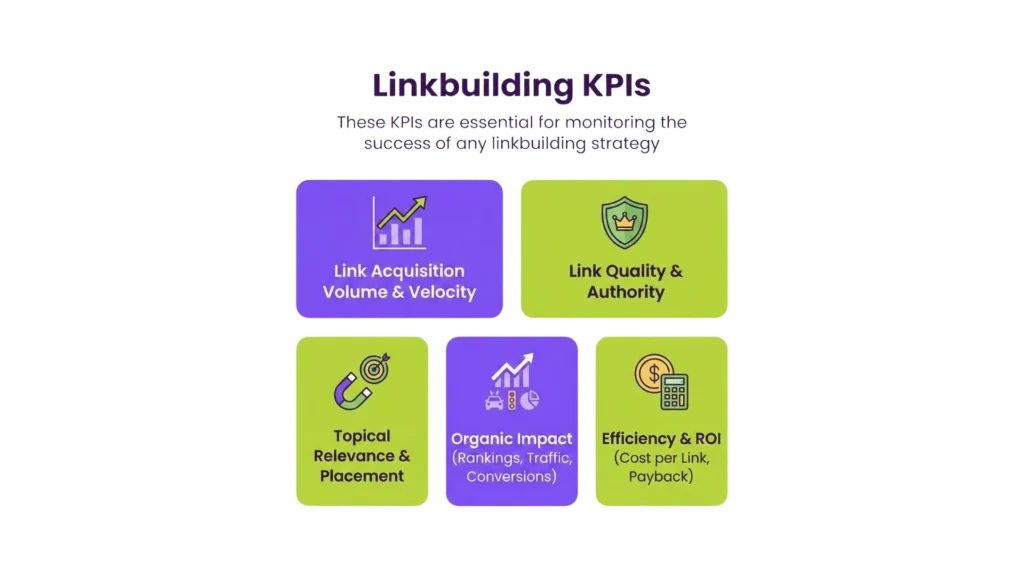
The retailer executed a digital PR campaign focusing on original research. By publishing an annual “Industry Trends Report” on BigCommerce, they earned high-authority backlinks from major news outlets. These links served as “trust signals” to Google’s Gemini and other LLMs, validating the store as a primary source of truth in its niche.
The Results: Revenue vs. Vanity Metrics
By the end of Q4 2025, the results were definitive:
- Organic Revenue: Increased by 312% YoY.
- Conversion Rate: Jumped from 2.1% to 3.8%, driven by higher-quality, AI-referred traffic.
- AOV (Average Order Value): Rose by 15% as custom AI recommendation engines (integrated via BigCommerce’s API) successfully up-sold customers through conversational interfaces.
This case study proves that while the search landscape has become more complex, the rewards for those who adapt are greater than ever. Success in 2026 requires moving away from “old-school” SEO and embracing a partner who understands the intersection of data science, platform architecture, and user psychology.
Measured Results After Six Months
Six months after it was implemented, the store’s success had altered dramatically. There were many more organic hits. Product impressions skyrocketed. AI-generated ideas become more inclusive. Most notably, organic revenue quadrupled as compared to pre-improvement levels.
The fact that these outcomes were not only based on higher rankings made them much more relevant. A large portion of the rise was attributed to new sorts of exposure, such as suggestion panels, comparison highlights, and replies that seem like chats. The name no longer appeared simply in search results. It was picked since it was a credible source.

Why the Strategy Succeeded
The method succeeded because it was consistent with how search engines presently view content. It searched for meaning rather than terms. It clarified things rather than adding pages. It was created to be simple for people to comprehend, not machines.
Most ecommerce SEO strategies still rely on tactics developed for earlier search models. Those methods can maintain visibility temporarily, but they rarely produce exponential growth in environments where AI determines which sources to surface.
By redesigning the site for machine comprehension, the brand positioned itself to benefit from the very technologies that disrupted its traffic initially.
The Strategic Advantage of Specialized Expertise
A major factor behind the success was the involvement of a dedicated bigcommerce seo company with platform-specific technical knowledge. Generic optimization can improve content quality, but only platform specialists can modify structural elements such as catalog logic, attribute frameworks, and indexing pathways.
Nearly half of the performance gains in this project came from backend improvements invisible to users but essential for search interpretation. This underscores an important reality: modern SEO is as much a technical discipline as it is a marketing one.
Redefining Ecommerce SEO Metrics
This case also demonstrates why traditional SEO metrics are no longer sufficient. Rankings and sessions still matter, but they do not fully reflect visibility in AI-driven search environments. The brand began tracking new indicators such as product extraction frequency, recommendation inclusion rate, and entity recognition strength.
These metrics revealed performance improvements long before traffic increased, allowing the team to refine strategy proactively. Businesses that continue measuring success only through rankings risk overlooking early signs of growth or decline.
Long-Term Impact and Sustainability
The initiative began nine months ago, and the results are still positive. The money earned from organic search remained more than three times what it was previously. New products received greater attention because they were integrated to an existing data ecosystem that customers trusted. As spontaneous discovery improved, dependence on sponsored advertisements decreased.
This demonstrates that optimizing for clarity and structure produces outcomes that continue to increase. When search engines accept a site’s information, they continue to use it until notified otherwise.
Strategic Takeaway for Ecommerce Leaders
The most essential takeaway from this is that search is more than simply gathering pages; it is also about determining what they signify. Computers must be able to comprehend your items in addition to finding them.
When businesses adapt their design, content, and data models to meet these requirements, they gain a significant advantage over their competition. Those that continue to use outdated tactics may maintain their rankings for a time, but as search screens evolve, they will progressively lose visibility.
Stores that depend on spontaneous discovery must pay for premium BigCommerce SEO services. This is fast becoming a critical necessity for long-term development.
Conclusion: The Future Belongs to Interpretable Brands
Search engines will eventually be able to do more than merely discover information. They examine, compare, and propose. Companies that can readily communicate with both humans and robots will have more visibility in this context.
Despite the fact that the firm in this case study produced more content and created more connections, it did not do well. It was successful because it changed its digital infrastructure to be understandable. That shift transformed a pattern of declining traffic into one of massive revenue growth.
If your e-commerce business is still relying on outdated SEO practices, you may already be losing visibility in areas you are unaware of. Brands who embraced sophisticated bigcommerce SEO services early are ahead of the curve and prepared for AI-powered discovery, recommendation engines, and smart search tools.
The opportunity is open right now, but it won’t stay that way forever.
If you want your products to be discovered, recommended, and trusted by modern search systems, this is the moment to act.
Partner with a specialized team that understands both search evolution and platform architecture, and turn your store into the next organic growth success story.
FAQs
How is a bigcommerce SEO expert different from a general SEO consultant?
A specialist understands platform-level mechanics such as indexing behavior, schema integration, product attribute structures, and URL logic unique to the platform, allowing them to implement optimizations that generalists often miss.
Why is ecommerce product SEO changing so quickly?
Search engines are integrating AI systems that interpret meaning rather than matching keywords. This shift prioritizes structured data, contextual clarity, and consistent signals across pages, fundamentally changing optimization requirements.
Can smaller ecommerce stores benefit from advanced SEO strategies?
Yes. Smaller stores often implement structural improvements faster than enterprise sites. Because they can adapt quickly, they may gain visibility advantages over larger competitors with slower development cycles.
How long does it take to see results from a bigcommerce seo agency?
Early visibility improvements often appear within two to three months, while significant traffic and revenue growth typically occurs between four and six months once structural, semantic, and authority signals align.