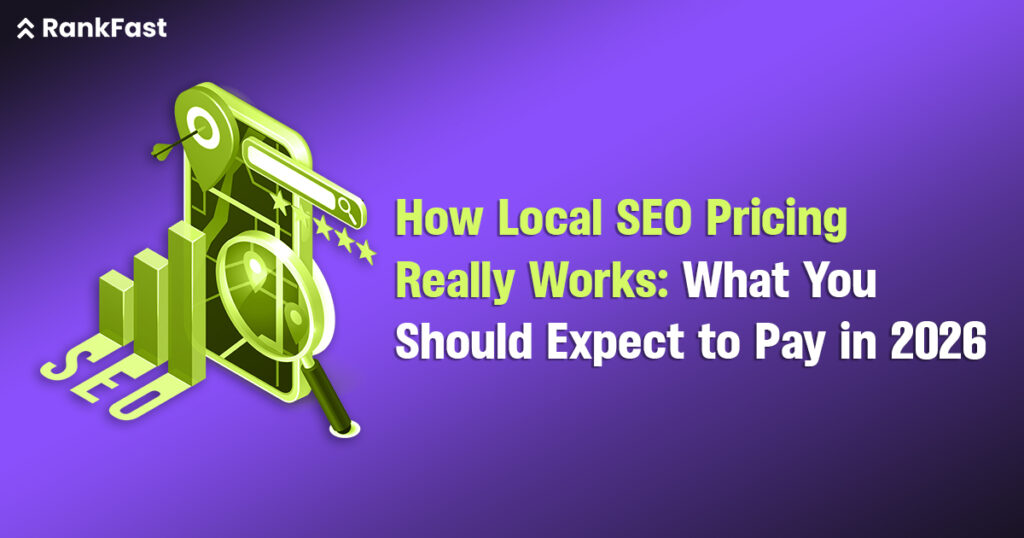
The landscape of local search has changed so much in the last few years that the old pricing doesn’t make sense anymore. That’s why a fresh local SEO pricing guide is needed for 2026. What you paid in 2020 or even 2023 doesn’t line up with the way visibility works today. AI-driven search results, smarter Google Business Profile automation, and hyper-personalized SERPs have rewritten how businesses show up in local results. The shift moved from simple keyword-led packages to performance-led SEO built around AI signals, behavioural patterns, and real-world engagement.
People search differently, too. Voice queries are more common. Local intent shows up in almost every second search. And customers expect answers fast, right inside the results page. All of this affects how much real work goes into ranking a business locally.
This blog gives you a sneak peek into what covers the real costs, the hidden fees no one talks about, and what businesses should genuinely expect to pay for local SEO in 2026.
What Is “Local SEO” in 2026?

Local SEO in 2026 goes far beyond the basics. It covers a wide range of practices and signals, many shaped by AI, user behaviour, and evolving search engines. If you want to show up when people search nearby, you need more than just keywords and a good website. Let’s look at what local SEO really means now.
Google Business Profile (GBP) Optimization
Your GBP listing isn’t just a contact card anymore. It’s your digital storefront. That means complete, accurate business info, name, address, phone number, business hours, photos, services, everything your customers and AI expect. This remains a fundamental starting point. Also, businesses that have a complete business profile on Google Maps and Search are 2.7 times more likely to be seen as trustworthy by customers.
Local Map-Pack and Map Rankings
You still want to appear in that map pack: the top few spots on location-based searches in your area (near me, in [city], etc.). This is due to the fact that 42% of people who conduct a local search click on Google Map Pack results. That visibility drives foot traffic, calls, and visits. Local SEO ensures your listing shows up when proximity, relevance, and trust combine.
Local Keyword and On-Page Optimization for Location Pages
Your website needs landing pages or location pages tailored to the areas you serve. On-page SEO with local keywords, city + service, neighbourhood + product signals relevance to search engines and helps match local intent.
Inclusion in AI-Driven Local Search Results
This is new and growing fast. As Google AI Overviews and other AI-powered features roll out, local searches often return AI-generated summaries rather than classic lists. Local businesses now compete to appear inside those answer layers, not just organic rankings.
Reviews, Sentiment, Reputation & Trust Signals
Reviews matter more than ever. AI tools use them to build trust and decide which local businesses to highlight. Consistent positive sentiment and prompt responses to reviews strengthen your credibility.
Local Backlinks, Citations, and NAP Consistency
Links and mentions from other local sites, directories, or community pages boost your authority locally. Consistent Name-Address-Phone across citations reinforces that authority and avoids confusion.
Hyperlocal Content & Location-Focused Content Creation
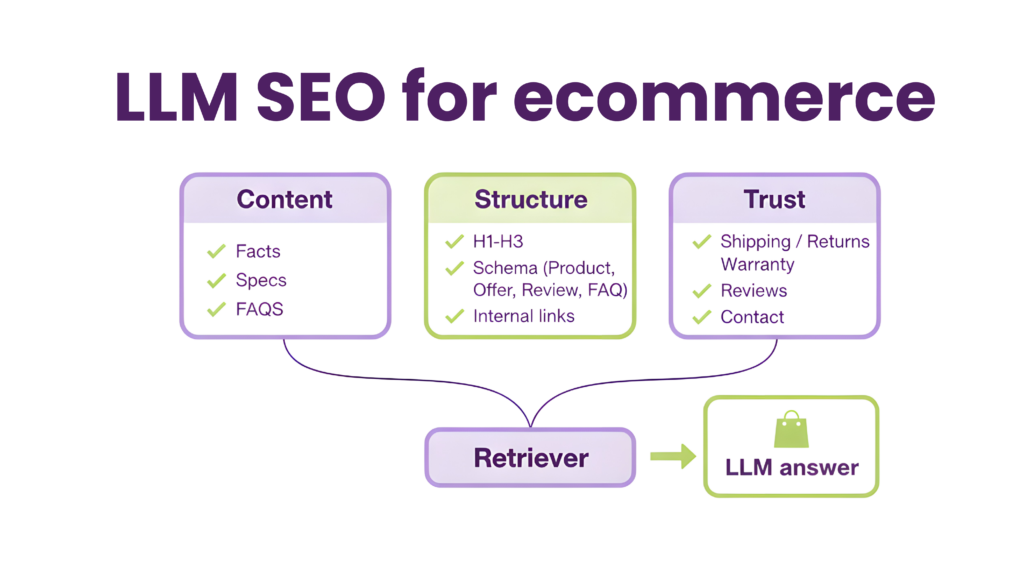
Beyond basic services pages, creating content that speaks to neighbourhoods or micro-regions you serve helps. Think blog posts about local events, guides, and FAQs tailored to your area. This helps with both traditional local SEO and AI-driven local queries.
Reputation, Trust, and “EEAT” for Local Brands
In 2026, local SEO often merges with reputation SEO. Having strong expertise, authoritative content, trust signals, good reviews, and accurate service details, especially for service industries, can mean the difference between being picked by AI-powered local search vs being hidden.
Because of all these layers, local SEO in 2026 is more complex than ever. It requires technical setup (structured data, GBP optimization), creative work (content creation, reputation building), and an understanding of AI-driven patterns (how Overviews, citations, and summaries influence visibility). It’s no longer enough to just optimize a few pages or build backlinks. You need a holistic approach, one that blends consistency, locality, technical hygiene, content quality, and trust. That makes the real difference when search is smart, personal, and powered by AI.
Factors That Influence Local SEO Pricing in 2026
Local SEO pricing in 2026 isn’t fixed or predictable. It changes based on how tough your market is, how many locations you run, and how much work your brand needs to build trust online. It also depends on how well your agency understands AI-driven search. When you look at these pieces together, the numbers start to make sense. Let us understand what shapes the real cost:
1. Your Industry Competitiveness
Some industries are simply more crowded. Lawyers, real estate firms, medical practices, hotels, and restaurants compete fiercely for every local customer. These spaces often need deeper work, like more content, stronger reputation building, and sharper AI search optimization. That naturally increases the cost.
Trades like plumbing, dental, auto repair, cleaning, landscaping, and home services fall into the medium-to-high range. They still rely heavily on visibility and reviews, but the competition isn’t as aggressive as the top-tier industries. Your pricing usually reflects the level of effort needed to stand out, not just the category you belong to.
2. Number of Locations
A single shop is usually the easiest to optimize. One Google Business Profile. One set of citations. One location page.
But everything changes when you run several branches or a franchise.
Each location needs attention:
- Its own GBP updates
- Its own review strategy
- Its own local keywords
- Its own citations
- Its own AI visibility signals
Large brands require a central strategy plus individual plans for each location. That’s why multi-location pricing is higher. The work multiplies, not by two or three, but by the layers each location adds.
3. Scope of Work Included
This is where the local SEO cost breakdown becomes clearer. Pricing models rise or fall depending on what’s included. Here are the pieces that usually matter most:
- Google Business Profile management: Updating details, adding posts, responding to questions, and keeping everything accurate.
- Local citations: Listing your business consistently across trusted directories so search engines trust your details.
- Location page optimization: Creating or improving pages that target specific neighbourhoods, ZIP codes, or service areas.
- Schema markup and technical setup: Adding structured data so Google understands your business category, hours, services, and more.
- Local keyword research: Finding terms that real customers use in your area, not nationwide general phrases.
- Local content marketing: Write helpful content connected to your area, like guides, FAQs, service pages, and other helpful content.
- Review generation: Encouraging happy customers to leave honest reviews and responding to them quickly.
- Reputation management: Tracking sentiment and resolving issues before they affect your visibility.
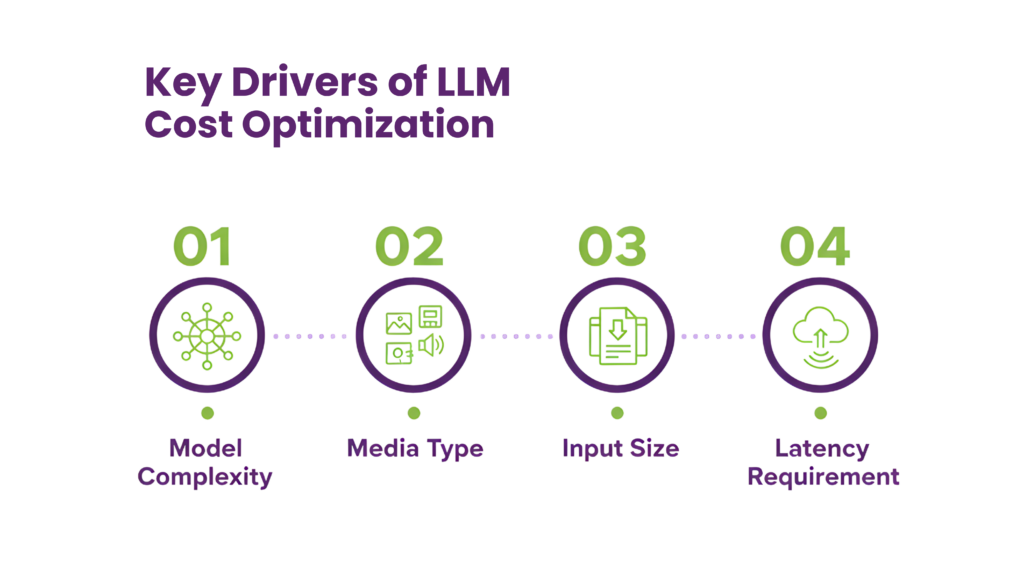
- AI search optimization (the big new 2026 deliverable): Improving your chances of appearing inside AI Overviews, local AI summaries, Perplexity listings, and conversational search layers. This is one of the newest and most in-demand services, and it now heavily influences pricing in local SEO pricing models.
When you see an agency offering “affordable local SEO services,” the cost depends on how many of these items are actually included.
4. Your Current Online Presence
Your starting point affects everything.
A business with clean NAP details, steady reviews, and a functional site often pays less because the foundation is already solid. A newer brand, or one with inconsistent citations, missing pages, or reputation issues, needs much more work upfront.
Fixing messy data takes time. Building trust from scratch takes even longer. That’s why your history plays a role in pricing.
5. Agency Expertise + Technology
Not all agencies approach local SEO the same way. Some still rely on older methods that don’t fully account for AI-led search. Others combine traditional local SEO with AI visibility, tracking tools, and modern reporting systems.
Better tools often mean better results, but they also shape your pricing. Dashboards, monitoring scripts, sentiment tools, and AI snapshot tracking add value that older packages don’t offer.
6. Geography & Market Size
Where you operate influences the cost more than people expect.
- The USA, UK, and Canada usually have higher average pricing.
- Big cities cost more because more businesses fight for the same space.
- Smaller towns or Tier-3 markets require less ongoing work, so pricing is usually lower.
Your market size sets the pace for how aggressive your SEO needs to be.
7. Contract Term Length
Month-to-month plans offer flexibility but cost more. Six-month contracts are usually mid-range. Twelve-month retainers often come with the best rates because SEO takes patience and consistency. Longer contracts help agencies plan properly, so they often return better value.
When you consider all these factors, local SEO pricing in 2026 makes much more sense. You are not paying for rankings; you are investing in visibility on maps, reviews, local content, and recently on AI-powered search results. The right plan is based on your objectives, your market, and the readiness of your brand toward the next phase of local discovery.
The Real Local SEO Pricing Breakdown for 2026
Local SEO pricing in 2026 comes in many shapes. Some businesses only need a quick cleanup. Others want full-scale monthly management, multi-location reporting, or AI-driven visibility support. Costs rise or fall based on how much work is required, how competitive your area is, and how advanced the agency’s systems are. Below is a clear, human-friendly breakdown to help you understand what you’re actually paying for. All numbers are estimates, and actual pricing can vary widely depending on your region, agency experience, business type, scale, and specific needs.
One-Time Local SEO Setup Costs (Audits + Fixes)
Price range: $500 – $5,000
This is the “fix what’s broken” phase. It’s usually required before any ongoing SEO can deliver real results. Businesses with old listings, incorrect data, or weak websites often fall into this category. A setup package usually includes:
- A full technical and local SEO audit
- Google Business Profile overhaul
- Cleaning and correcting NAP inconsistencies across directories
- Adding schema markup for local, service, or product listings
- Fixing content gaps on key pages, especially service and location pages
This one-time investment gives your brand a clean slate. Without it, ongoing SEO tends to waste money.
Monthly Local SEO Packages
2026 price ranges:
- Basic Local SEO: $300 – $600 / month
- Standard Local SEO: $700 – $1,500 / month
- Advanced Local SEO: $1,500 – $3,500 / month
- Enterprise / Multi-Location SEO: $5,000 – $50,000+ / month
These packages vary massively depending on the work included. Basic plans suit small local businesses that only need steady GBP updates and essential tracking. Standard plans add more content, deeper optimization, and consistent link-building.
Advanced and enterprise packages include much heavier work:
- Higher content volume
- Stronger, more targeted link-building
- Local PR and authority building
- Multi-location dashboards
- Advanced reputation tracking
- AI search visibility monitoring
- Competitor tracking and analysis
- Ongoing updates to match changing SERPs and AI Overviews
If your brand operates in a competitive city or niche, these higher-tier plans become necessary.
Multi-Location Local SEO Pricing
Per-location pricing: $200 – $800 per location per month
Multi-location businesses pay more because each branch needs its own optimization. One weak location can pull down the whole brand’s visibility. Pricing is structured in a few ways:
- Per-location billing for small numbers of stores
- Franchise SEO plans with a central strategy + individual branch work
- Tiered bulk pricing where the cost per location decreases as scale increases
Tracking hundreds of listings, cleaning NAP data, maintaining consistency, and creating unique content for each location takes time, which raises the price.
Hourly Local SEO Pricing
$50 – $200 per hour
Hourly pricing works for one-off tasks or consulting. Rates depend on the person’s expertise, the country they’re in, and how complex the niche is. A specialist handling legal or medical SEO will charge more than someone doing general consulting or basic GBP updates.
Project-Based Pricing
Not every business wants a full package. Some only need help with one area. Common project-based pricing in 2026 looks like this:
- GBP optimization: $150 – $1,000
- Citation building: $100 – $500
- Local content package: $300 – $2,500
- Reputation management: $250 – $5,000
These projects suit businesses that already have a solid foundation and just need support in specific areas.
These numbers aren’t fixed. They vary based on region, agency expertise, competition level, industry, business size, and the depth of work required. A dentist in a small town will pay far less than a multi-city law firm. A business with clean data and strong reviews will spend less than one that needs major repairs.
Understanding these pricing ranges helps you make smarter decisions, avoid overpaying, and pick the local SEO pricing model that fits your goals and budget.
What You Actually Get for the Money: Deliverables Breakdown
Local SEO pricing only makes sense when you understand what each tier includes. The more you pay, the more depth, strategy, and technology you get. Here’s a clear look at what businesses can expect at each level.
Basic Package Deliverables
A basic package covers the essentials. It’s designed for small businesses that just need a clean, steady presence.
- Google Business Profile optimization: Updating hours, services, photos, categories, and posts so your listing stays accurate.
- Basic citation building: Adding your business to trusted directories with consistent NAP details.
- Monthly reporting: Simple summaries that show keyword movement, GBP activity, and traffic changes.
- Core on-page fixes: Updating titles, meta descriptions, and service-area pages so they align with local intent.

This tier is the foundation. It keeps your business visible but doesn’t push aggressively into competitive or AI-driven territory.
Standard Package Deliverables
This level works for businesses in medium-competitive markets or those wanting stronger visibility.
- Monthly local content: Blog posts, service pages, or location guides focused on neighbourhood-level intent.
- Local backlinks: Building authority from nearby websites, chambers, and community listings.
- Review management: Encouraging new reviews, responding to feedback, and monitoring sentiment.
- Geo-grid performance reports: Showing how you rank across different streets, ZIP codes, and neighbourhoods.
- Technical improvements: Schema updates, faster page speed, mobile cleanups, and structured data.
You get more strategy, more storytelling, and deeper optimization here.
Advanced / Enterprise Deliverables
This is where the work becomes more sophisticated, especially for multi-location or competitive industries.
- Multi-location dashboards: Clear visibility for each branch, plus brand-wide performance data.
- Local PR + authority link building: Features, partnerships, and community coverage that boost trust.
- AI search optimization: Preparing content for AI Overviews and conversational search.
- Perplexity + SGE tracking: Monitoring how often your business appears in AI-generated summaries.
- Local competitor intelligence: Spotting what nearby rivals publish, where they rank, and how they earn reviews.
- Hyperlocal cluster content: Deep content built around micro-locations and local behaviours.
Final Words
Local SEO prices in 2026 stretch all the way from a few hundred dollars for basic support to several thousand for advanced or multi-location campaigns. Your cost will be based on your type of industry, volume of market, reputation online, and how much work your brand really needs to compete. Today, fair pricing reflects both strategy and effort, and not shortcuts. It’s paying for visibility on Google Maps, stronger ranking in AI search, greater voice-search reach and relevance in zero-click outcomes where consumers often make decisions immediately.
The smartest approach to choosing a plan is to also study the deliverables and not just focus on the number. Higher tier is meant to mean better content, smarter reporting, deeper optimization, and clearer outcomes. If you want help understanding which tier matches your goals, you can request a custom Local SEO plan from Rankfast.
FAQs
1. How does a local SEO pricing guide actually help a business choose the right plan?
A good local SEO pricing guide makes everything clearer. It shows what each package includes, how much work goes into it, and which parts matter for your type of business. Instead of guessing, you can match what you need with what you’re paying for.
2. What affects the cost of affordable local SEO services in 2026?
The price depends on a few things: how competitive your niche is, how many locations you have, and how healthy your online presence looks right now. A business with clean data and solid reviews usually pays less than one that needs repairs or is fighting tough local competitors.
3. What’s usually included in local SEO pricing models today?
Most local SEO pricing models cover the basics first, like GBP updates, citations, on-page fixes, and simple reporting. As you move up the tiers, you get more depth, like local content, backlinks, review support, and AI search optimization. You’re paying for more attention and more strategy.
4. How can I understand my local SEO cost breakdown before signing anything?
Ask for a clear list of deliverables. You should know exactly what happens each month, how often tasks are completed, and what results the agency aims for. When everything is laid out plainly, it’s easier to see whether the plan fits your goals and budget.
5. What are the best local SEO services for competitive industries?
In tougher markets, you usually need deeper work. Strong local content, trustworthy backlinks, steady review management, and AI-focused visibility support make the biggest difference. These services help your business show up more often, especially when customers search in busy or highly competitive areas.