Users in the US are 6.16 times more likely to click on organic search results than paid ones. Your large-scale business operations need enterprise SEO workflow now more than ever.
Enterprise SEO optimizes large, complex websites—often with thousands or even millions of pages—to improve search visibility, organic traffic, and brand authority. A solid enterprise SEO strategy prevents massive brands from losing their position in search rankings. The effect of proper implementation can be dramatic: BrightEdge found a 60% increase in page views per visit and 21% more keywords ranking on page one after implementing automated SEO solutions across 1,000 enterprise websites.
Fortune 500 company websites come with multiplied complexity. Enterprise SEO companies excel at handling these large, intricate websites with thousands of pages. You can revolutionize your digital performance by establishing your own quick cross-team SEO process. A Deloitte study found that a mere 0.1-second improvement in mobile site speed led to an 8.4% increase in retail conversions!
We’ll break down everything in an effective enterprise SEO workflow in this piece. This will help your organization dominate search results, streamline enterprise content operations, and create lasting organic growth.
Understanding Enterprise SEO Workflows
Enterprise SEO comes with its own set of challenges that need well-laid-out workflows, especially if you have websites with thousands or millions of pages. Small business SEO might let one person handle everything, but enterprise SEO needs systematic processes that work between multiple departments and regions.
What Makes Enterprise SEO Different
Enterprise SEO works on a much bigger scale than traditional SEO. Small websites might focus on a few hundred pages and long-tail keywords, but your enterprise site probably has thousands—sometimes millions—of pages that need optimization. The volume makes manual work impossible, so you need to create adaptable automated solutions.
There’s another reason – organizational complexity. Enterprise SEO needs teams to work together between departments, and often between countries and time zones. You won’t report directly to founders or CEOs. Instead, you’ll work through several management layers, which slows down decisions and implementation.
On top of that, enterprise SEO needs specific technical approaches. Large sites must optimize crawl budgets carefully. They need strategic internal linking plans, and technical fixes must follow systematic implementation rather than fixing one page at a time.
Why Workflows Matter At Scale
Well-laid-out workflows create consistency in your digital world. Without standard processes, your SEO efforts will scatter between departments and regions.
Workflows boost efficiency—55% of SEOs report lacking sufficient resources as their biggest hurdle, and 52.5% don’t deal very well with limited development support. A clear enterprise SEO workflow helps you make the most of limited resources by cutting out duplicate work and focusing on activities that matter most.
Workflows also provide the governance framework that large operations need. SEO governance includes policies, processes, and practices that guide SEO activities throughout your organization. This framework helps control complex operations and keeps everything consistent even with multiple teams involved.
Common Workflow Bottlenecks
Several obstacles can throw enterprise SEO off track. Departmental silos top the list. SEO tasks often face delays or get overlooked when marketing, IT, content, and legal teams work independently with minimal cooperation. This problem gets worse when teams are spread across different countries and time zones.
Other common bottlenecks include:
- Technical implementation delays – SEO changes often wait through 6-9 month development cycles because of competing priorities and limited resources
- Lack of executive understanding – SEO initiatives keep getting pushed back without leadership support
- Slow decision-making processes – Multiple approval layers and stakeholders slow things down
- Resource constraints – Many enterprises rely on just one or two people to manage their entire SEO strategy
- Data overload – Massive amounts of analytics data from numerous properties make it hard to find useful insights
Unlike paid search, enterprise SEO can’t show quick ROI, which makes getting resources tough. The choice between centralized and decentralized SEO structures also creates governance conflicts—you either have a central team disconnected from daily implementation or scattered teams working without coordination.
Understanding these enterprise SEO workflow challenges helps you tackle them systematically. You’ll need to develop structured processes that work across your organization while staying flexible enough to adapt as priorities change.
Core Stages of An Enterprise SEO Workflow
A structured enterprise SEO workflow breaks complex processes into manageable stages. Fortune 500 companies need these core workflow components to maintain consistency and scalability across their massive digital properties.
1. Technical SEO foundation
The life-blood of any working enterprise SEO workflow is a strong technical foundation. Your technical SEO audit should spot and prioritize problems that affect crawlability, indexation, and performance. Research shows that up to 40% of internet users will leave a website if loading takes more than three seconds. This makes site speed optimization crucial for keeping visitors.
These technical SEO elements deserve your attention:
- Site architecture and crawlability: Log files tell you how search engines crawl your site and which pages they focus on
- Core Web Vitals: Loading, interactivity, and visual stability metrics need optimization
- Mobile responsiveness: This matters since mobile devices account for over half of all website traffic
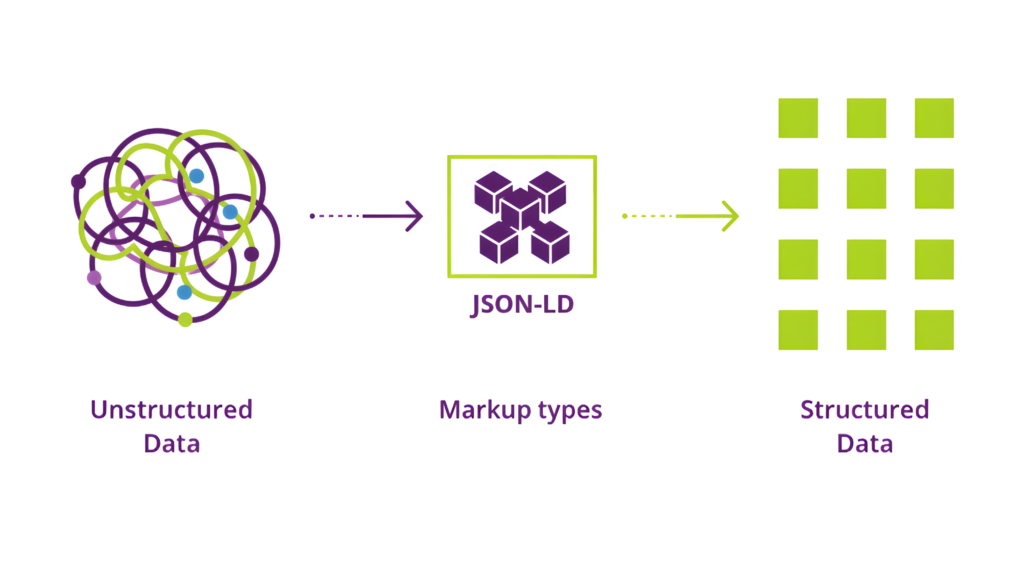
- Schema markup: Structured data helps improve visibility in search results
- HTTPS and security: Your enterprise site needs secure connections throughout
Enterprise sites with thousands of pages should fix technical issues that touch the most pages. This brings maximum results. One expert puts it well: “fixing a broken link in the header could affect all of your thousands or millions of pages. Better to fix that one link than fix 100 that affect only one page each”.
2. Keyword Research At Scale
Enterprise keyword research goes beyond simple tools. Your workflow should spot keywords for different customer experience stages and build detailed topic clusters.
Start by analyzing your industry’s search patterns. User intent matters when picking target keywords. Long-tail keywords often lead to better conversion rates. You should also get into content gaps by studying competitors’ link-building strategies.

Modern enterprise keyword research should look at:
- Commercial and transactional keywords that show strong buying signals
- Striking distance keywords you can rank for quickly
- Content clusters that build topical authority
- Keywords that match user experience stages
3. Content Creation And Optimization
Your enterprise content strategy should balance new content creation with existing content improvement. SEO experts say a working enterprise workflow “creates new content, improves old pieces that deserve it and removes ones that don’t”.
Content optimization looks at:
- Quality and depth review
- Duplicate content finding
- Keyword targeting fit
- Performance tracking
You should also vary content types across your enterprise site. Blog posts, whitepapers, e-books, webinars, and infographics help reach wider audiences.
4. Internal Linking And Site Structure
Internal linking helps search engines understand how your pages connect. It’s the backbone of your site’s architecture. A strong enterprise SEO workflow needs systematic linking practices that spread authority across your site.
Enterprise sites work best with a flat structure. Users and search engines should reach any page within four clicks. This spreads link equity better and makes crawling easier. Your URL structure should follow category hierarchy to create logical content paths.
Your internal linking strategy should focus on:
- Using keyword-rich anchor text
- Strategic links to important pages
- Finding broken links
- Adding orphan pages that lack internal links
5. Performance Tracking And Reporting
Success measurement comes last in enterprise SEO. While SEOs track keyword rankings and organic traffic, stakeholders care more about business results.
Your performance tracking workflow needs these metrics:
- Search visibility and rankings
- Website traffic patterns
- Engagement metrics (time on site, bounce rate)
- Conversion rates and revenue
- Return on investment (ROI)
Note that “stats towards the bottom of the list are more likely to be of interest to stakeholders”. Business metrics should come first when reporting to executives.
Cross-Team SEO Process and Governance
A successful enterprise SEO workflow needs teams working together beyond just SEO specialists. The difference between stagnant rankings and steady organic growth lies in how well teams work together at Fortune 500 companies.
Lining Up SEO With Product And Dev Teams
Your SEO team’s relationship with product and development departments plays a vital role, yet remains challenging. Research shows technical delays happen due to competing priorities and limited resources. Here’s how to tackle this challenge:
- Join daily stand-ups with development teams to grasp their workload and capacity
- Create clear tickets that spell out SEO needs and business effects
- Bring SEO specialists into product development early to build organic visibility from the start
SEO representatives working directly within product teams has proven effective. This setup gives your SEO professionals “early visibility into new features, apps, and websites that the product team may be pushing out”. On top of that, it lets SEO insights shape user experience and improve customer processes.
Creating An Internal SEO Playbook
A well-laid-out SEO playbook helps standardize enterprise SEO processes throughout your organization. This single source of truth guides all teams working with your digital properties. Make sure to include:
- Content creation standards with keyword research protocols
- Technical requirements to developers
- Clear approval processes to avoid bottlenecks
- Launch checklists to verify before and after launch
The playbook should be simple and useful—”not a 100-page PDF that nobody reads”. Regular updates based on performance data and search trends keep it relevant.
Spreading SEO Ownership Across Departments
Your organization needs clear roles and responsibilities to work efficiently. Expert studies show typical in-house SEO teams have only 2-5 members, whatever the company size. Limited resources make it vital to spread responsibility.
“SEO evangelists” in every team can champion search optimization in their departments. This approach “makes it easier for teams to develop their SEO skills and tailor specific SEO strategies to team KPIs”. Service level agreements (SLAs) should define expected deliverables and response times between teams.
The best enterprise SEO workflow happens when the whole organization takes responsibility for search optimization rather than leaving it to one department. Website optimization is “really an organizational team effort and not just the product of one team’s efforts”.
Automation And Tools for Scalable Execution

The digital world has made automation tools essential to manage enterprise SEO workflow effectively. Companies in the Fortune 500 must optimize thousands—sometimes millions—of pages. Manual processes simply cannot handle this scale.
Using AI For Content And Metadata
AI-powered tools now play a significant role in content creation and large-scale optimization. Your team can implement solutions that automatically generate optimized titles and descriptions from your website’s first-party data. This saves time and maintains consistency across your digital properties.
The right AI content tools for your enterprise SEO workflow should have these features:
- Custom AI prompts that preserve your brand’s unique voice
- Content generation based on your website’s existing data and analytics
- Unique page titles and meta descriptions that match SEO goals
To cite an instance, see how SmartContent helps teams generate metadata for thousands of pages in minutes. This strengthens your ability to respond quickly to seasonal events or product launches.
Automating Internal Linking And Schema
Large enterprise sites need strong internal linking structures. Your growing site makes manual implementation impractical—especially with thousands of products on e-commerce platforms.
These specialized tools can automate the process:
- SmartLink analyzes your website data, including server logs and GSC data and recommends strategic internal links
- Verbolia’s Linking Engine adds contextually relevant inbound links to priority pages automatically
Schema markup automation proves vital for enterprise sites too. Tools like Schema App and Milestone Schema Manager deploy error-free schema at scale with minimal effort. Schema App’s platform generates and deploys accurate schema markup across thousands of pages dynamically without manual updates.
Real-Time Dashboards For Performance Tracking
Up-to-the-minute SEO dashboards show your website’s performance instantly. These dashboards update metrics in milliseconds, unlike traditional tools. Your team can track keyword rankings, traffic trends, and conversion rates as they happen.
Your enterprise performance tracking dashboards need:
- Automated data refresh capabilities for current SEO data access
- Integration with multiple data sources, including GSC, GA4, and technical crawl data
- Customizable views for different teams in your organization
This automated approach revolutionizes your enterprise SEO workflow by making it more efficient, expandable, and responsive to market changes.
When and Why to Work with Enterprise SEO Firms
Strong internal teams sometimes need specialized support for their enterprise SEO workflow. Research shows that enterprise sites can boost their traffic by as much as 120% in a year when they have the right platform to power their work.
Benefits of Hiring an Enterprise SEO Agency
An enterprise SEO agency brings expert knowledge without the cost of building an internal team. These firms come equipped with enterprise-grade tools to spot technical and content gaps while building analytical insights. They work as an extension of your team and handle time-intensive tasks like high-authority link-building and large-scale content creation.
One enterprise e-commerce site had technical SEO problems but saw a 34% increase in organic traffic revenue after working with an agency. This led to more than $24.80 million in extra revenue.
What To Expect From Enterprise SEO Companies
Enterprise SEO companies do more than improve rankings. They shape your entire digital presence through content, development priorities, social visibility, and user experience. These firms should:
- Think strategically instead of making quick fixes
- Use data to make decisions
- Have full-stack SEO teams with varied expertise
- Provide adaptable automation tools
How To Evaluate The Right Partner
Finding the right enterprise SEO firm needs careful assessment. Look for agencies with enterprise tools that can process billions of rows of data and combine multiple data streams. Make sure they can handle custom data requests and give practical insights quickly.
Quality enterprise SEO services usually cost between $13,000 to $30,000 monthly—anything much lower should make you think twice.
Conclusion
Large organizations need careful planning, teamwork across departments, and expandable processes to get results from enterprise SEO. The core team must create structured workflows to manage websites with millions of pages. These workflows should cover technical basics, keyword research, content optimization, internal linking, and tracking. All these pieces come together to build a strategy that boosts organic visibility across digital properties.
Even companies with strong resources sometimes need expert help. RankFast offers enterprise-level expertise and tools to spot opportunities your team might overlook. They help Fortune 500 companies solve technical problems and build expandable SEO strategies that affect business growth.
Your enterprise SEO process should mix structure with adaptability. You can help your organization dominate search results by setting clear stages, encouraging teamwork, using automation, and getting outside help when needed. This approach leads to steady organic growth while managing complex, large-scale websites.
FAQs
Q1. How does enterprise SEO differ from traditional SEO?
Enterprise SEO operates on a much larger scale, often dealing with thousands or millions of pages. It requires coordinated efforts across multiple departments, automated solutions, and strategic planning to optimize massive websites effectively.
Q2. What are the core stages of an enterprise SEO workflow?
The core stages include establishing a technical SEO foundation, conducting keyword research at scale, creating and optimizing content, implementing internal linking strategies, and tracking performance through comprehensive analytics.
Q3. How can Fortune 500 companies improve cross-team SEO collaboration? Companies can improve collaboration by aligning SEO with product and development teams, creating an internal SEO playbook, and establishing clear SEO ownership across departments. This ensures consistent implementation of SEO strategies throughout the organization.
Q4. What role does automation play in enterprise SEO?
Automation is crucial for scalable execution in enterprise SEO. It helps with content creation, metadata optimization, internal linking, schema markup implementation, and real-time performance tracking. These tools allow SEO teams to manage large-scale websites more efficiently.
Q5. When should a Fortune 500 company consider working with an enterprise SEO firm?
A company should consider partnering with an enterprise SEO firm when they need specialized expertise, enterprise-grade tools, or additional resources to handle complex SEO initiatives. This is particularly beneficial when internal teams lack the capacity or specific skills required for large-scale optimization projects.