Healthcare SEO services are crucial in today’s digital landscape, where Google handles approximately 99,000 searches per second, making it essential for all medical practices to strive for search visibility. As a small medical practice or clinic, you might wonder how to compete online without breaking the bank.
The reality is striking—61% of patients use the Internet when researching healthcare providers, and almost 80% rely on two or more online resources. Additionally, 73% of patients check online reviews when selecting a new medical provider. Despite these facts, merely 11% of medical professionals have properly optimized Google Business profiles. This gap creates an opportunity for affordable healthcare SEO strategies that can help your small practice stand out, even with budget healthcare SEO services and low-cost medical SEO options.
In this guide, we’ll explore practical, cost-effective SEO solutions specifically designed for small medical practices, focusing on building trust and credibility—two key factors in healthcare. After all, providing accurate information isn’t just good for SEO; it’s essential for patient well-being.
The SEO Challenges Faced by Small Clinics
Small medical practices face unique obstacles when attempting to establish online visibility. Unlike larger healthcare organizations with dedicated marketing departments, your clinic likely struggles with several key challenges that hinder your SEO success.
Limited budgets and resources
Many healthcare organizations don’t prioritize marketing in their budgets. For smaller clinics and practices, marketing often takes a backseat to essential operational needs. You might be operating with the “if you build it, they will come” mentality that many healthcare facilities fall into.
This approach no longer works in today’s digital landscape. Marketing budgets for healthcare providers have actually dropped from 9.1% to 7.7% of total revenue in 2024, making it even more challenging to compete online.
Even when you recognize the importance of SEO, allocating resources becomes problematic. While SEO is technically “free” compared to paid advertising, it requires significant investment of either time or money to achieve meaningful results. Small practices must carefully balance patient care with marketing efforts, making every dollar count.
High Competition in Local Search
Local search has become more competitive than ever before. Clinics that previously relied on word-of-mouth or physician referrals now face a harsh reality: if you don’t show up in search results, someone else will—often larger practices or clinic chains with substantial digital marketing investments.
Consequently, if your website isn’t properly optimized and your clinic doesn’t appear in local search results, you’re likely losing potential patients daily. This competitive environment means small practices must work harder to stand out, especially since healthcare is inherently local and most patients search for providers nearby.
The stakes are particularly high because potential patients searching for healthcare services typically have a clear intent—they want quality care as soon as possible. Missing out on these high-intent searches means missing opportunities to connect with patients actively seeking your services.
Lack of in-house digital expertise
Perhaps the most significant challenge is finding time to focus on SEO while managing a busy practice. Between seeing patients, handling administrative tasks, and staying updated on medical advancements, optimizing a website can feel overwhelming or impossible.
Moreover, understanding technical aspects of SEO can be intimidating without a digital marketing background. Terms like “algorithms,” “backlinks,” and “rankings” are specialized vocabulary that can confuse even the most educated medical professionals.
This knowledge gap creates several problems:
- Incomplete or outdated Google Business Profiles
- Rankings for general terms that don’t convert to appointments
- Inconsistent SEO efforts that yield poor results
- Unintentional use of outdated or unethical SEO practices
Delegating SEO tasks to staff members who lack expertise can be counterproductive. Although they know your practice well, without a solid understanding of SEO strategy, they might miss crucial opportunities or unintentionally harm your rankings.
These challenges might seem daunting, but they’re not insurmountable. With the right approach, even small medical practices can implement effective, affordable SEO strategies that drive meaningful results without requiring massive budgets or technical expertise.
Affordable SEO Tactics That Work
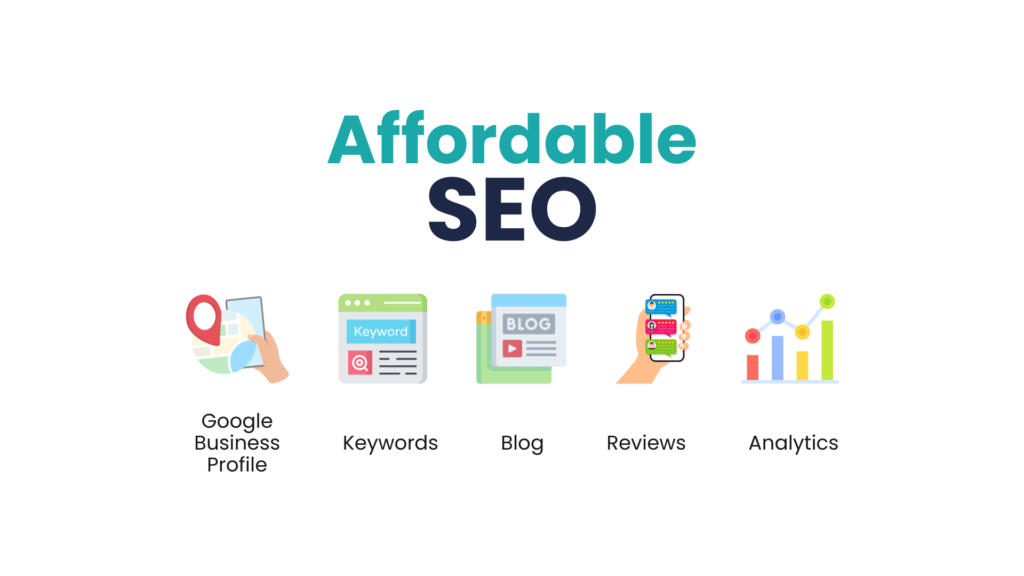
Getting found online doesn’t require a massive budget. Implementing several cost-effective SEO strategies can significantly boost your medical practice’s visibility without draining your resources. Let’s explore five practical, affordable healthcare SEO tactics that deliver real results for small medical practices.
1. Claim and optimize your Google Business Profile
Your Google Business Profile (GBP) serves as your clinic’s digital front door—the first impression potential patients see when searching nearby. Studies show that healthcare practices with complete GBPs receive five times more views than those without claimed profiles. To maximize this free resource:
- Ensure your name, address, and phone number (NAP) are consistent across all online platforms
- Add high-quality photos of your clinic, staff, and facilities
- Select appropriate healthcare categories that accurately describe your specialty
- Update your business hours regularly, including holiday schedules
- Enable appointment booking features where applicable
Remember that 60% of patients are likely to click on your GBP when it appears in local search results. This makes it one of the most powerful tools in affordable healthcare SEO.
2. Focus on long-tail and local keywords
Instead of competing for highly competitive general terms like “dentist” or “family doctor,” target specific phrases that potential patients use. Long-tail keywords are more specific phrases—think “congenital heart disease treatment near me” rather than just “heart doctor”.

The advantages are twofold. First, long-tail keywords help you rank well for niche topics that larger institutions might overlook. Second, they help your practice build the authority needed to eventually rank for more competitive terms.
Use free tools like Google’s Keyword Planner to identify relevant long-tail keywords with manageable competition levels. Focus on terms with high relevance and search intent aligned with each stage of the patient journey.
3. Publish patient-focused blog content
Blogging is no longer optional—it’s how modern clinics win the digital trust battle. Your best content strategy? Turn common patient questions into valuable resources.
Start by creating FAQ blog posts addressing questions like “How often should I get a mammogram?” or “How long does recovery from a hip replacement take?” These posts capture valuable search traffic while establishing your expertise.
Additionally, develop content around specific conditions, treatments, and health topics relevant to your specialty. Include author bios for credibility (e.g., “Dr. John Smith, 15+ years in cardiology”) and always reference reputable sources.
4. Use free SEO tools for audits and tracking
Several powerful SEO tools are available at no cost, making them perfect for budget-conscious medical practices:
- Google Analytics: Track website traffic, visitor behavior, and conversion patterns
- Google Search Console: Monitor keyword rankings, site errors, and search performance
- Siteliner: Check for duplicate content and broken links that might harm rankings
- GT Metrix: Analyze website speed to improve performance and search rankings
These tools provide valuable insights into your website’s SEO health without requiring significant investment. Use them regularly to identify opportunities for improvement and track your progress over time.
5. Leverage social proof through reviews
According to research, 84% of patients use online reviews to evaluate doctors, and nearly 75% won’t consider a provider with fewer than four stars. Encourage satisfied patients to leave positive reviews on healthcare-specific platforms like Healthgrades, Zocdoc, and Google.
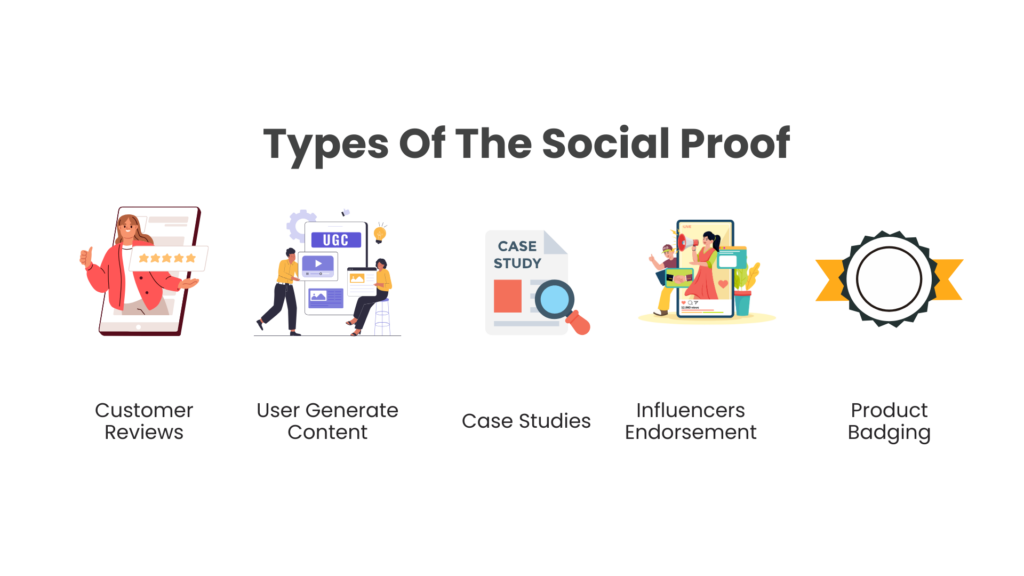
Respond professionally to both positive and negative feedback, showing that your practice values patient input. This transparency builds credibility and influences decision-making. Just remember to avoid HIPAA violations in your responses by never disclosing patient identities.
When collecting reviews, make the process simple by sending follow-up emails after appointments or providing cards with QR codes linking to your review profiles. Then showcase these testimonials on your website and social media to amplify their impact.
Building a Strong Local SEO Foundation
Beyond basic optimization tactics, establishing a solid local SEO foundation requires attention to technical elements that many small medical practices overlook. These foundational components help search engines understand exactly where you’re located and who you serve—critical factors for healthcare SEO success.
NAP consistency across directories
First and foremost, maintaining consistent Name, Address, and Phone number (NAP) information across all online platforms is essential for small medical practice SEO. Studies show that 77-98% of healthcare consumers search online for providers before scheduling appointments. Search engines like Google prioritize consistent information, as discrepancies can harm your search ranking.
To maintain NAP consistency:
- Use identical business name, address format, and phone number across all online directories
- Claim and verify listings on healthcare-specific platforms like Healthgrades and Zocdoc
- Regularly audit your citations using tools like BrightLocal or Moz Local to identify inconsistencies
- Ensure your website footer contains the same NAP details as your directories
This consistency builds trust with both Google and potential patients, helping your practice rank higher in local search results. Remember that NAP consistency accounts for approximately 7% of local SEO ranking factors—a significant advantage for affordable healthcare SEO strategies.
Creating geo-targeted service pages
If your medical clinic serves multiple locations, creating dedicated landing pages for each area significantly boosts your visibility in local searches. Each geo-targeted page should feature:
- H1 heading with city + primary service (e.g., “Family Medicine in Tempe, AZ”)
- Location-specific content that mentions local landmarks or community information
- Embedded Google Map with correct coordinates
- Testimonials from patients in that specific area
- Schema markup for MedicalClinic, PostalAddress, and OpeningHours
Essentially, each page must contain unique content—not simply copy-pasted information with city names swapped. This approach helps you rank for “[service] in [city]” searches that potential patients commonly use.
Embedding Google Maps on your site
A properly embedded Google Maps element on your contact page and location-specific pages provides powerful local SEO signals. This integration offers several benefits for budget healthcare SEO services:
- Improves your visibility in local search results
- Increases website traffic and appointment bookings
- Signals to Google that your business location is legitimate
- Enhances user experience by making your practice easier to find
Additionally, an optimized Google Maps listing helps your practice rank higher when potential patients search for healthcare services in your area. This straightforward implementation can significantly influence patient choice, directing them toward practices that best meet their expectations.
For comprehensive support with these foundational elements, Rankfast’s healthcare SEO packages provide affordable solutions tailored specifically for small medical practices.
Content Strategy for Budget Healthcare SEO
Creating patient-focused content forms the backbone of successful medical SEO without breaking the bank. With smart content choices, you can maximize your online visibility while minimizing costs.
Creating FAQs and condition pages
Developing robust FAQ sections addresses common patient questions while simultaneously boosting your search rankings. Start by collecting actual questions from patients through emails, contact forms, and in-person visits. Structure your FAQs with proper headings and organize them by categories to improve user experience.
For maximum SEO impact, don’t limit FAQs to a single page—create dedicated pages for important questions with comprehensive answers. Additionally, implement FAQ schema markup to help your content appear in Google’s rich results and voice search features.
Condition pages should follow medical best practices by including symptoms, treatments, and prevention information with proper citations to establish authority. These pages signal expertise to search engines while providing valuable information to potential patients.
Using video content to build trust
Video content significantly increases engagement and dwell time on your website—a critical ranking factor for search engines. For budget-conscious practices, focus on creating:
- Provider introduction videos that build the “know, like, trust” relationship
- Educational content explaining common procedures
- Patient testimonials (with proper consent)
- Answers to frequently asked questions
Remember to optimize your videos with descriptive titles, metadata, and transcripts to maximize their SEO value. Adding captions also improves accessibility and provides additional metadata for search engines.
Updating content regularly for freshness
Google holds healthcare content to higher standards than other industries. Regular content audits ensure your medical information remains accurate and current, which not only improves SEO but also protects patient safety.
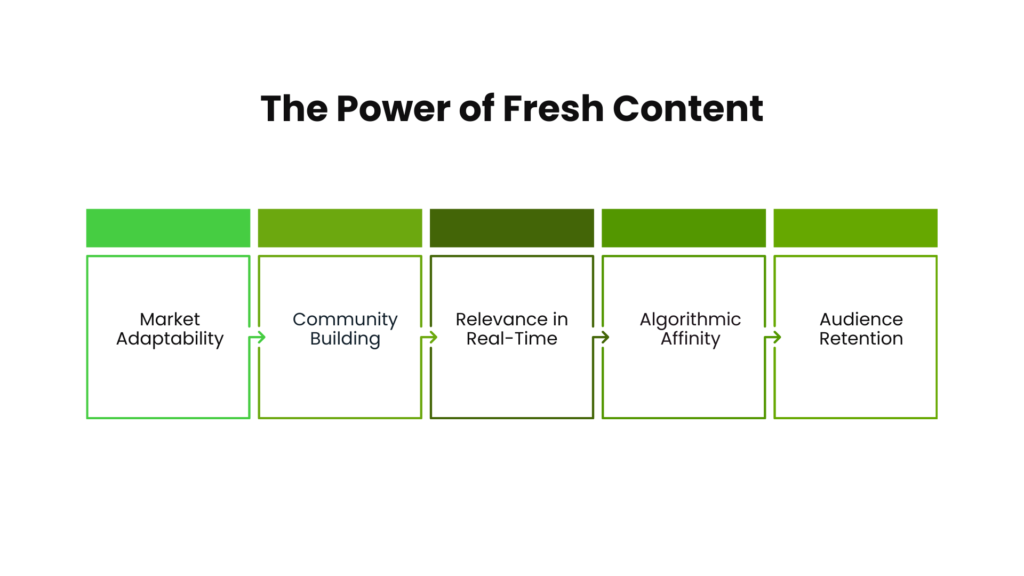
Schedule quarterly reviews of your most important content, particularly pages covering treatment options, medication information, and condition details. Each update signals to search engines that your content remains relevant and trustworthy, further reinforcing your practice’s online authority.
By implementing these budget-friendly content strategies, your small medical practice can steadily build search visibility without costly investments.
Why Choose Rankfast for Low-Cost Medical SEO
When selecting a partner for your clinic’s online presence, finding an agency that balances quality with affordability becomes crucial. Rankfast stands out as a healthcare SEO specialist offering solutions tailored specifically for smaller medical practices.
Affordable healthcare SEO packages
Rankfast delivers scalable SEO packages designed to fit various budgets without compromising results. Their healthcare SEO services range from $500 to $1,000 monthly, substantially lower than industry averages of $1,000-$5,000. Notably, these packages include essentials like local SEO optimization, content development, and link building—all structured to grow alongside your practice.
Expertise in small medical practice SEO
Understanding the unique challenges of small medical practices sets Rankfast apart from generic SEO providers. Their team recognizes how your daily patient care responsibilities leave limited time for marketing. By gaining deep insight into your specific healthcare services and patient demographics, they customize SEO strategies that align perfectly with your practice’s goals.
Dedicated support and performance tracking
Rankfast provides complete transparency through detailed analytics and reporting dashboards accessible anytime. This allows you to monitor your marketing ROI without waiting for monthly reports. Additionally, their team consistently researches common healthcare questions to create content that establishes your credibility with both search engines and potential patients.
For practices seeking professional guidance without overwhelming costs, Rankfast offers the healthcare-specific expertise needed to grow your patient base effectively.
Conclusion
Effective healthcare SEO doesn’t require massive budgets or technical expertise. Throughout this guide, you’ve seen how small medical practices can implement cost-effective strategies that deliver meaningful results. Your small medical practice deserves visibility without breaking the bank. Rankfast understands these unique challenges, offering specialized healthcare SEO packages starting at just $500 monthly—significantly below industry averages. Their team can help optimize your local SEO strategy while providing dedicated support and transparent reporting.
Remember that every improvement to your online presence translates to real patients walking through your door. Start with these affordable tactics today, then expand your digital marketing efforts as your practice grows. After all, the best healthcare SEO isn’t about competing with massive hospital systems—it’s about connecting your expertise with the local patients who need it most.
Key Takeaways
Small medical practices can compete online effectively without massive budgets by implementing strategic, cost-effective SEO tactics that focus on local visibility and patient trust.
• Claim and optimize your Google Business Profile immediately – Complete profiles receive 5x more views and serve as your digital front door for 60% of patients who click on local search results.
• Target long-tail keywords over competitive general terms – Focus on specific phrases like “pediatric asthma treatment near me” rather than broad terms to capture high-intent patients with less competition.
• Maintain NAP consistency across all online directories – Identical Name, Address, and Phone information across platforms accounts for 7% of local SEO ranking factors and builds crucial search engine trust.
• Create patient-focused content that answers real questions – Turn common patient inquiries into valuable blog posts and FAQ pages to establish expertise while capturing search traffic organically.
• Leverage free SEO tools for tracking and optimization – Use Google Analytics, Search Console, and other no-cost tools to monitor performance and identify improvement opportunities without additional investment.
With 61% of patients researching providers online and 72% checking reviews before scheduling appointments, these affordable SEO strategies directly translate to real patients walking through your door. The key is consistency and focusing on local visibility rather than competing with large healthcare systems.
FAQs
Q1. How much does SEO typically cost for small medical practices?
SEO costs for small medical practices can vary, but affordable packages typically range from $500 to $1,000 per month. This is significantly lower than industry averages, which can go up to $5,000 monthly for more comprehensive services.
Q2. What are some cost-effective SEO strategies for small clinics?
Cost-effective SEO strategies for small clinics include optimizing your Google Business Profile, focusing on long-tail keywords, creating patient-focused blog content, using free SEO tools for audits and tracking, and leveraging patient reviews to build social proof.
Q3. How important is local SEO for medical practices?
Local SEO is crucial for medical practices as most patients search for healthcare providers nearby. Maintaining consistent NAP (Name, Address, Phone) information across online directories, creating geo-targeted service pages, and embedding Google Maps on your website can significantly boost local visibility.
Q4. Can small medical practices compete with larger healthcare organizations in search results?
Yes, small medical practices can compete effectively by focusing on niche, long-tail keywords, creating high-quality, patient-focused content, and optimizing for local search. These strategies allow smaller clinics to target specific patient needs and local audiences more effectively.
Q5. How often should medical practices update their website content for SEO?
Medical practices should aim to update their website content regularly, with quarterly reviews of the most important pages. This ensures that medical information remains accurate and current, which is crucial for both SEO performance and patient safety. Regular updates also signal to search engines that your content remains relevant and trustworthy.