Poor SEO architecture can silently damage your enterprise website’s ranking potential. A well-laid-out website should let users reach any page within 3-4 clicks. Yet enterprise sites often create confusing mazes that frustrate visitors and search engines. Site architecture problems directly affect your crawl by enterprise crawlability issuesdget—the number of pages Googlebot crawls within a specific timeframe. Search engines that struggle to direct through your website leave important pages unfound. This leads to missed ranking opportunities. Users also struggle to find what they need due to inconsistent navigation structures. Here, we will look into the major SEO architecture issues that hold back your enterprise website’s SEO potential. You’ll find how working with an enterprise SEO company can improve your site’s structure to boost visibility and performance. The situation is becoming more concerning, as only 16.29% of websites keep their desktop and mobile versions in sync—a vital factor given today’s mobile-first indexing.
Overcomplicated Navigation Structures
Navigation structures are the foundations of your enterprise website’s user experience. Complex navigation frustrates users and prevents search engines from properly crawling and indexing your most valuable pages.
Too Many Menu Items Without Hierarchy
Your enterprise website probably has many products, services, and resources. A menu with too many options creates major site architecture problems. Users in testing sessions described navigation menus as “overwhelming,” “cluttered,” or “confusing” when they saw too many unorganized options.
Users feel overwhelmed when they see more than 10 subcategory options. High bounce rates and low engagement metrics follow this cognitive overload, which hurts your search rankings.
Mobile devices make this worse. Users must scroll through long option lists without hover states or expanded views. The task becomes harder because mobile devices don’t give enough hints to help users navigate complex hierarchies.
These navigation structure improvements will fix your seo architecture issues:
- Keep your main menu to seven items maximum to avoid confusion
- Put important items at the start and end of menus where users pay most attention
- Show users where they are by highlighting their current location
- Use full navigation on desktop instead of hamburger menus when space allows
Navigation problems can act like a “secret migration” that damages SEO without obvious warning signs. Small navigation changes can break internal links, reduce crawlability, and hurt rankings without being spotted as the cause. One ecommerce client lost 70% of organic traffic after changing their navigation structure—even though they didn’t touch any page content.
Lack of Breadcrumbs for Contextual Navigation
Breadcrumbs give vital context to users on complex enterprise websites. They work as a secondary navigation system that shows users their exact location in your site’s hierarchy.
Pages without breadcrumbs leave direct visitors confused about where they are in your site structure. This leads to higher bounce rates as users can’t find related content easily. Search engines need breadcrumbs too. They help Google understand your site’s structure and solve enterprise crawlability issues.
Breadcrumbs boost SEO in several ways:
They create more internal links that share link equity across your site. Google often shows breadcrumb paths in search results, which helps users understand context before clicking. They also lower bounce rates by giving visitors other navigation options when pages don’t match their needs.
The best way to add breadcrumbs is below the main navigation bar and above the page title. Use a smaller, subtle font size. Arrange them left to right with the current page last, using “>” symbols between items. Make sure your breadcrumbs match your actual site hierarchy instead of showing browsing history.
These navigation issues need expert help to fix. A skilled enterprise SEO company can spot and solve these complex architecture problems before they silently damage your rankings.
Ignoring Mobile-First Architecture Principles
Mobile optimization has become essential for enterprise websites, not just a nice feature. Mobile devices generate over 60% of all web traffic now. Your rankings will suffer if you don’t follow mobile-first architecture principles, which creates serious seo architecture issues.
Unresponsive Layouts on Key Landing Pages
Your enterprise website’s key landing pages must adapt naturally to all screen sizes. Research shows 90% of internet users browse the internet on their mobile phones. Many enterprise sites are still built with a desktop-first mindset, which creates layouts that don’t work well on smaller screens.
This desktop-first approach creates major site architecture problems when scaling down to mobile. You should build mobile layouts first rather than removing elements to fit mobile screens, which often creates a cluttered, unresponsive mess. A mobile-first strategy will give a lean and efficient site with minimal bloat.
Users leave quickly when they find unresponsive layouts. Google’s data shows that 53% of mobile users abandon a site if it takes more than 3 seconds to load. These high bounce rates tell search engines your site lacks quality and hurt your rankings.
Touch Target and Tap Area Violations
Small touch targets that mobile users can’t tap accurately represent one of the most overlooked seo architecture issues. Interactive elements like buttons and links need at least 48×48 pixels. This size lets users interact comfortably without hitting neighboring elements by mistake.
W3C accessibility guidelines state that touch targets should be at least 24×24 CSS pixels with enough space between them. This requirement goes beyond convenience—it helps users with various disabilities, including:
- People with hand tremors or mobility impairments
- Users in environments with shaking (like public transportation)
- People with large fingers or limited dexterity
- Those accessing devices using only one hand
Users get frustrated when your enterprise site breaks these guidelines. They make “fat finger errors”—not because their fingers are too large, but because your touch targets are too small. This frustration makes users leave, especially on important conversion pages.
Mobile vs Desktop Content Parity Issues
Content parity makes mobile and desktop versions show similar content, which matters for enterprise crawlability issues. Google’s move to mobile-first indexing means your mobile website version now determines your ranking.
A recent study revealed that mobile webpages have fewer words than desktop versions. This creates serious seo architecture issues because Google won’t rank content that’s missing from your mobile site.
Many enterprise sites make mistakes by removing key elements on mobile, such as:
- Internal links and navigation options
- Structured data markup
- Key content sections
- Important metadata elements
These differences alter your site structure and confuse search engines about your content’s purpose. Google now indexes only mobile versions of websites. Content parity has become mandatory to maintain rankings.
An experienced enterprise seo company can find these architectural flaws that hurt your rankings through a thorough mobile-first audit. The right enterprise seo services provider will fix these issues by implementing responsive design, optimizing touch targets, and validating content parity.
Missing or Misused Internal Linking Strategy
Internal links are the invisible backbone of your enterprise website’s crawlability and ranking power. Many enterprises make critical seo architecture issues that stop these links from properly distributing authority across their sites.
No Link Equity Flow to Conversion Pages
Your high-authority pages (those with many backlinks) pass valuable “link equity” to other linked pages. Many enterprise sites fail to direct this equity toward important conversion pages. Your money pages miss out on ranking potential when pages with strong external backlinks don’t connect to them.
Link equity distribution goes beyond technical aspects—it affects your bottom line directly. Pages that get more internal links receive more clicks from Google Search. Users who can move logically from general content to specific product or service pages show higher conversion rates.
The solution to this site architecture problem lies in identifying your strategic pages (product pages, landing pages, core services). You should then add more internal links from your highest-authority content to these pages. This strategy channels authority where it matters most for business results.
Contextual Links Missing in Blog Content
Contextual links—those surrounded by relevant text within content—pack more SEO value than navigation or footer links. In spite of that, many enterprise blogs lack these powerful connections and create isolated content islands.
Contextual linking does more than boost SEO—it makes the user experience better by offering helpful resources right where readers need them. These links appear exactly when relevant, unlike navigation links that need searching. This approach helps readers stay engaged. Visitors explore related content and spend more time on your site—something search engines see as a positive ranking signal.
Your blog posts should have these elements to fix enterprise crawlability issues:
- Links to relevant product/service pages that flow naturally from the topic
- Connections to related blog content that deepens understanding
- References to lifeblood content that builds topic authority
Overuse of NoFollow on Internal Links
A common seo architecture issue involves misusing the rel=”nofollow” attribute on internal links. This attribute tells search engines to skip passing authority to the linked page, which works against internal linking goals.
Sites often add unnecessary nofollow tags to navigation menus, related content sections, or author bios. This old practice comes from “PageRank sculpting” advice that Google’s algorithms now ignore. Your site can’t build page equity properly when you overuse nofollow internally.
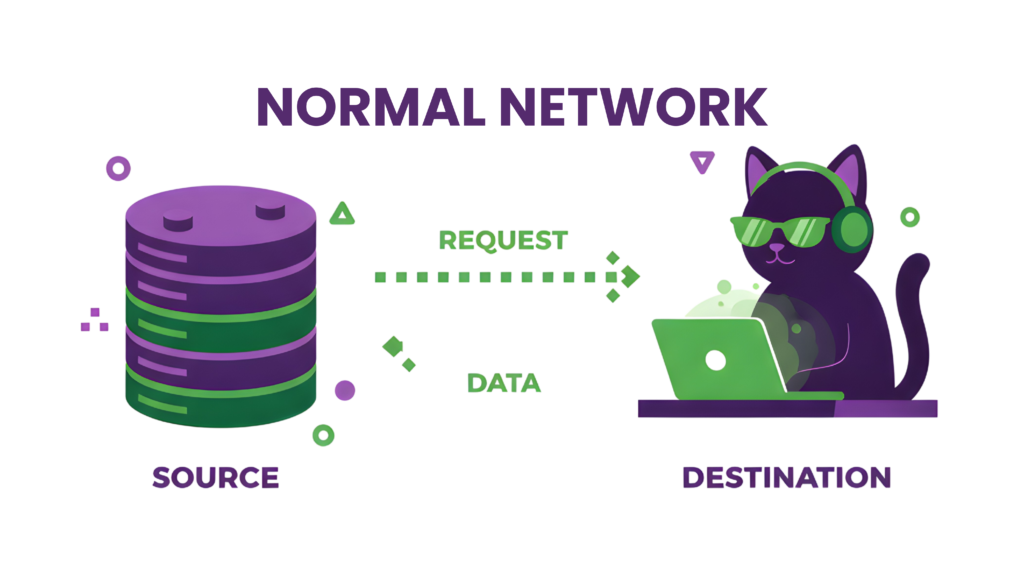
Most of your internal links should pass PageRank freely throughout your site. Nofollow tags work best for specific cases like login pages or user-generated content. Let your internal links distribute authority naturally everywhere else.
These internal linking fixes need expert knowledge. RankFast, an enterprise SEO company, can spot where your link equity gets stuck. We set up systems that send authority to your most valuable pages. RankFast’s on-page SEO services help maximize your enterprise website’s crawling efficiency and ranking potential.
Lack of Topic Clusters and Content Hubs
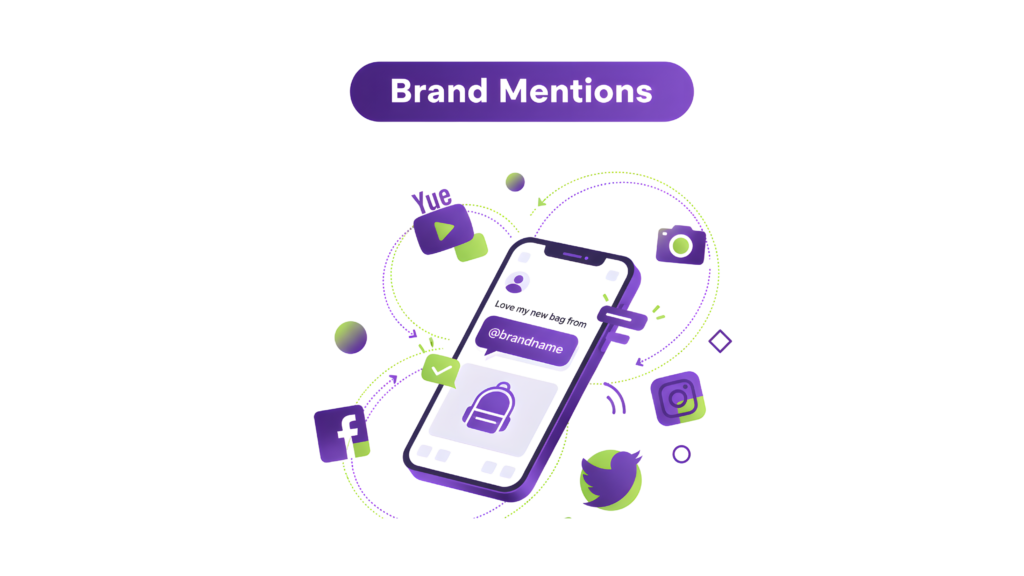
A well-laid-out content structure stands as a vital yet often ignored part of working seo architecture issues. Your enterprise website might be losing traffic and visibility if it’s just a bunch of scattered, disconnected pages.
No Parent-Child Relationship Between Pages
Both users and search engines prefer findable, structured content, making site structure essential for SEO. Pages existing on the same level without hierarchical connections make it hard for search engines to grasp content relationships.
Parent pages work like main chapters while child pages add detailed information about them. This structure brings major SEO benefits by:
- Creating on-page breadcrumb trails that link to core pages
- Building ideal anchor text through proper hierarchy
- Making performance measurement easier as analytics tools filter by subfolder
Your site’s hierarchy shapes how well search engines crawl and index content. Search engine bots work better when content follows logical parent-child relationships.
Flat Blog Structure Without Thematic Grouping
Topic clusters and traditional blogs differ greatly. Traditional blogs pile up articles from different times and angles, often lacking direction. A flat blog structure without themes creates what Google calls “content chaos.”
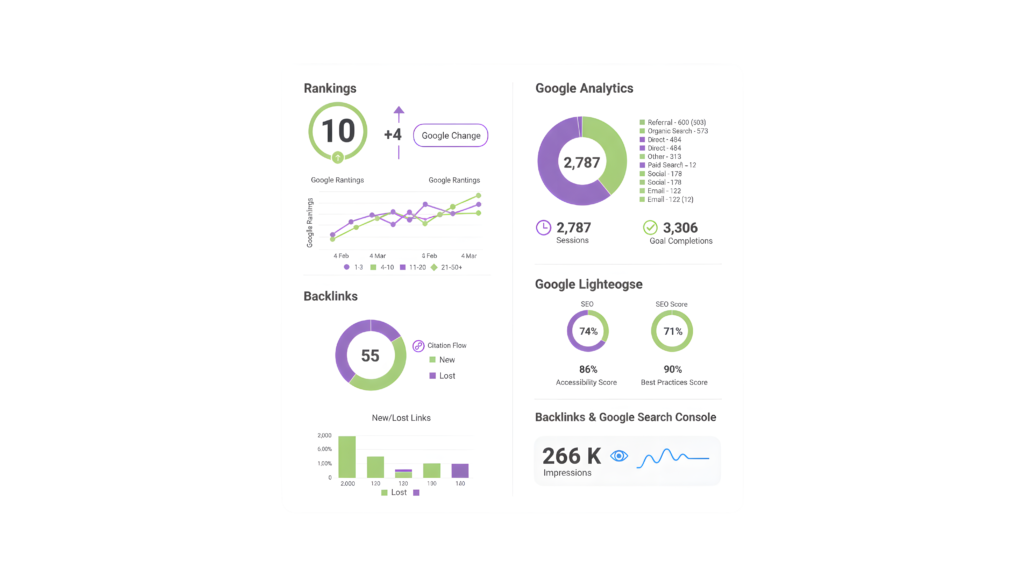
Structured content boosts important engagement metrics like time on site and reduces bounce rates. Users explore more pages when they find content easy to browse and thematically linked.
Your website should become a hub where pillar pages serve as central points. These pillars light the way to related pages that explore every topic aspect. The topic cluster method sets clear roles – pillars show the way, related articles add depth, and links create flow.
A skilled enterprise SEO company can help put these structured content methods to work. This ensures your enterprise SEO services build your content into a coherent, crawlable structure.
Why Choose RankFast for Enterprise SEO Architecture
Choosing the right partner to fix seo architecture issues can make the difference between ongoing frustration and long-term ranking success. RankFast offers specialized solutions for complex enterprise websites that other agencies can’t match.
Proven Experience with Large-Scale Site Structures
RankFast’s portfolio includes over 250 successful projects in industries of all types. The company has helped scale SaaS products, educational services, and financial companies through expert search strategies. Their clients have seen exceptional results, including a 226% increase in organic traffic and 4.5x more demo bookings. These wins came from fixing the same site architecture problems we discussed in this piece.
Custom Crawlability Audits and Fixes
RankFast solves enterprise crawlability issues with methods designed around your goals. The team starts by learning everything about your business, market niche, and customer base. They then move forward with:
- Deep keyword and competitor analysis
- Strategic internal linking optimization
- Technical SEO improvements based on informed decisions
Full-Service Enterprise SEO Solutions
RankFast works as your enterprise SEO company and shows clear campaign results through detailed monthly reports that link SEO work to business outcomes. The team reviews your website to enhance page speed, user experience, tracking, and conversion funnels. This complete strategy will give your enterprise SEO services investment measurable returns on your site architecture’s performance.
Conclusion
Poor architecture choices can silently sabotage your enterprise website’s search performance. Your pages fail to reach their full ranking potential because of these critical problems. You need a systematic fix rather than quick patches to solve these issues.
Complex navigation on your site frustrates visitors and search engines while wasting valuable crawl budget. Google now indexes only mobile versions of websites, so ignoring mobile-first principles hurts your rankings badly. Your most valuable pages lose authority when internal linking is weak, which makes everything worse.
Enterprise SEO architecture comes with its own set of challenges. RankFast knows how to solve these exact problems through complete site audits, optimized internal linking, and mobile-first implementations. The company’s track record shows its success in changing complex websites into ranking powerhouses.
Your website can reach its full potential. Visit RankFast’s on-page SEO services today and remove the architectural barriers blocking your pages from ranking. Your enterprise deserves search visibility that matches its market presence.
FAQs
Q1. What are the main architectural mistakes that can prevent enterprise pages from ranking?
The main architecture mistakes include overcomplicated navigation structures, ignoring mobile-first principles, poor internal linking strategies, and lack of topic clusters or content hubs. These issues can significantly impact a website’s crawlability and search engine visibility.
Q2. How does mobile-first architecture impact enterprise website rankings?
Mobile-first architecture is crucial for rankings as Google now exclusively indexes mobile versions of websites. Unresponsive layouts, small touch targets, and content parity issues between mobile and desktop versions can negatively affect user experience and search engine performance.
Q3. Why is internal linking important for enterprise websites?
Internal linking is vital for distributing link equity throughout the site, improving crawlability, and enhancing user navigation. Proper internal linking helps search engines understand your site structure and directs authority to important pages, ultimately boosting their ranking potential.
Q4. What are topic clusters and why are they important for SEO?
Topic clusters are groups of interlinked content centered around a main topic. They’re important for SEO because they create a clear content hierarchy, improve site navigation, and help search engines understand the relationships between different pages on your site, potentially boosting overall visibility.
Q5. How can an enterprise SEO company help address website architecture issues?
An enterprise SEO company can provide expertise in identifying and fixing complex architectural challenges. They can conduct comprehensive site audits, optimize internal linking strategies, implement mobile-first principles, and create effective topic clusters. This specialized approach can significantly improve a website’s search visibility and performance.