Search engines help three out of four patients find medical care. Your clinic’s local SEO strategy could make the difference between rising and falling appointment numbers.
Local information makes up 46% of all Google searches, which shows clear user intent. Managing SEO becomes more complex as your practice grows to multiple locations. Ranking one practice location presents enough challenges, but multiple locations demand an entirely different strategy.
The numbers tell a compelling story. Reviews matter more than ever – 93% of patients read online reviews to assess physicians. Bad or inconsistent online information has pushed 33% of patients to switch providers. “Near me” healthcare searches have grown by 900% over the last several years, making healthcare SEO services crucial.
Many medical practices face challenges with local SEO for multiple locations. Half of mobile searches locally just look for a business address. Most clinic ranking guides don’t deal very well with simple fundamentals. A specialized clinic local SEO strategy can reshape your digital presence and help you acquire more patients.
Here, we will guide you to proven ways to boost each location’s visibility. You’ll learn to convert searchers into patients and propel development across your service areas.
The Biggest SEO Challenges for Multi-Location Clinics
SEO management for multi-location clinics comes with unique challenges that affect your online visibility by a lot. Studies show that 80% of consumers lose trust in businesses when they find wrong or inconsistent contact details online. This becomes even more pricey for healthcare providers since patient trust matters the most.
Inconsistent NAP Data Across Directories
NAP (Name, Address, Phone number) consistency builds the foundation of good local SEO for healthcare practices. Studies reveal that NAP inconsistency ranks as the most common issue affecting local search rankings. About 41% of businesses show inconsistent listings.
Your clinic’s varying contact information across directories makes Google doubt your legitimacy and reliability. Your practice drops lower in local search rankings as a result. Even small differences like using “St.” versus “Street” can confuse search engines. These tiny changes reduce your visibility in local search results.
Multi-location clinics face a bigger challenge with NAP consistency across digital platforms. Each location needs the same information on your website, Google Business Profile, and trusted healthcare directories like Healthgrades, Vitals, Zocdoc, and WebMD.
Duplicate Or Missing Google Listings
Healthcare organizations often don’t create separate Google Business Profiles for each location. They either stick to one listing for the brand (usually headquarters) or skip listings altogether.
Google’s rules state that you can have only one Business Profile for each business location. Multiple profiles for the same place can mislead patients and go against Google’s guidelines. Google won’t show profiles it sees as duplicates in Search or Maps.
Duplicate listings create several issues:
- Patient confusion from conflicting information
- Split reviews that weaken your overall ratings
- Lower rankings that hurt SEO
- Wasted management resources
Internal Competition Between Locations
Different locations targeting identical keywords can end up competing with each other in search results. This internal rivalry splits your traffic and weakens your clinic’s local SEO strategy.
Each location has its own market features that need different approaches. You need to know which markets want specific services to optimize properly.
Search queries also change a lot between locations. This makes competitor research vital when you check performance across different regions. Without a smart plan for keyword targeting, your locations might fight for the same search visibility.
Step-by-Step Local SEO Strategy for Clinics

A methodical approach works better than random tactics when you implement a local SEO strategy for clinics. Healthcare providers need a systematic multi-location SEO plan because businesses with fully optimized profiles receive 7 times more clicks.
Create A Master Data Sheet For All Locations
Your clinic’s information needs a centralized “single source of truth” to maintain consistency. Your master spreadsheet should include:
- Exact clinic names (e.g., “Evergreen Dental – Northwood”)
- Standardized addresses (using consistent formatting like “Street” not “St.”)
- Local phone numbers (ideally trackable for each location)
- Website URLs (location-specific pages, not homepage)
- Primary and secondary categories (e.g., “Dental Clinic,” “Pediatric Clinic”)
This foundation helps your clinic’s local SEO strategy stay consistent on all digital platforms and prevents NAP inconsistencies that often damage healthcare brands’ SEO services.
Set Up And Verify Google Business Profiles
Google offers bulk verification if you have 10 or more locations. The requirements include:
- All locations must belong to the same business
- Your spreadsheet must include every location you manage
- Profiles must meet Google’s quality guidelines
- Use a business email address with your domain to speed up verification
Submit the verification form through Google Business Profile Manager after uploading your location spreadsheet. You can update all locations without extra verification steps once verified.
Optimize Each Profile With Services, Photos, And Q&A
Businesses with complete profiles attract 70% more visitors. Here are some effective clinic ranking tips:
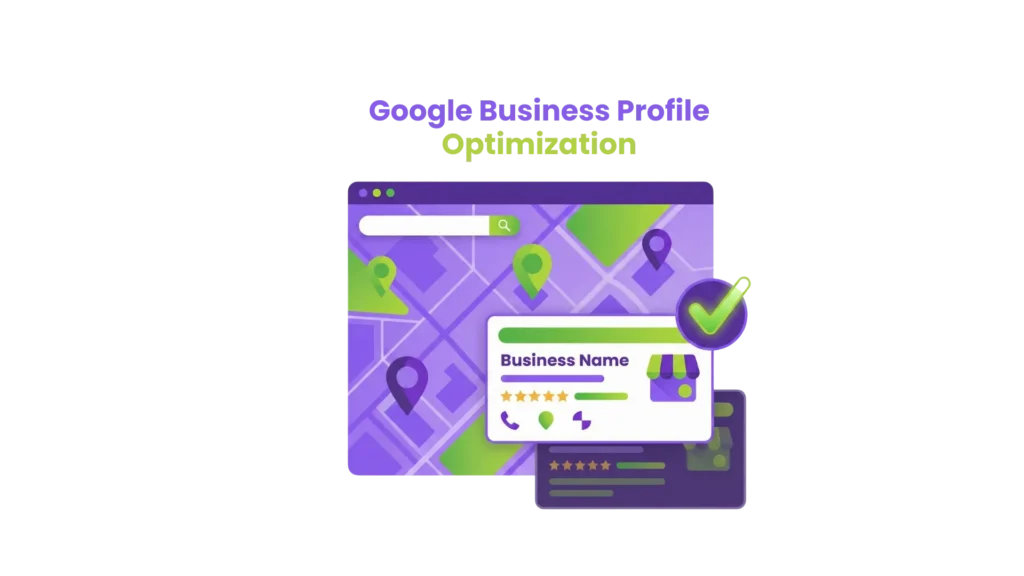
- List all services offered at each location using the “Services” section
- Upload high-quality photos of each clinic’s exterior, interior, staff, and equipment (businesses with photos get 35% more clicks to their websites)
- Add answers to common patient questions in the Q&A section proactively
- Enable appointment booking links for each location
Local SEO strategies need constant attention because outdated profiles can frustrate potential patients and harm your rankings.
On-Page SEO and Content for Local Reach
Your website content significantly impacts local search visibility for multi-location clinics, going well beyond simple directory listings and profiles. These optimized pages are the foundations of any successful clinic’s local SEO strategy.
Creating City-Specific Service Pages
Your multi-location clinic needs dedicated pages with unique content for each physical location. Nearly half of Google searches have local intent, which makes location-specific pages crucial to capture this traffic.
Each location page must include:
- Unique URL with city name in the slug (e.g., /locations/chicago-dermatology)
- At least 500 words of unique content
- Embedded Google Maps and “Get Directions” button
- Location-specific NAP (Name, Address, Phone) details
- Photos of the specific facility, inside and out
- Services offered at that particular location
A single “Services” page won’t cut it. Your clinic needs individual pages for each service at every location (e.g., “Allergy Testing in [Neighborhood]”). This targeted strategy helps your clinic rank higher when local patients search for specific treatments.
Publishing Geo-Targeted Blog Content
Local health-related blogs position your clinic as a trusted neighborhood resource while boosting your healthcare brands SEO services. Patients actively search for topics like “Preventing Allergies During [City] Spring” or “Flu Season Preparation for [Your Region]”.
Your content should address common healthcare questions that matter to your local audience. Clinics in areas with harsh winters can write about cold-weather health tips that resonate with their community.
Using Internal Links To Connect Location Pages
Search engines better understand and discover your content through internal linking, which strengthens site structure and spreads authority. Smart multi-location SEO connects related location pages to reinforce geographical relevance.
Link every treatment page to three key elements: a related condition, service, and expert. This strategy matches how patients make decisions while improving your SEO performance.
Tools, Tracking, and Why Choose RankFast
Your clinic local SEO strategy will work best when you have the right tools and analytics. You need proper measurement to know if your multi-location efforts make an impact.
Best Tools For Managing Multi-Location SEO
The complex task of managing visibility for multiple clinic locations becomes easier with specialized tools. Platforms like SEMrush and Whitespark help you track regional search performance. BrightLocal lets you handle Google Business Profiles for multiple locations at once.
Here are the must-have tools to get multi-location SEO right:
- Citation Management: Moz Local or Yext keep NAP data consistent across all directories
- Rank Tracking: BrightLocal and SEMrush track location-specific rankings
- Review Management: BirdEye or Podium help you monitor and respond to patient reviews across all locations
- Competitor Analysis: Tools like SEMrush or SpyFu show competitor keywords and traffic
How To Measure Local SEO Success
The right metrics will tell you if your clinic ranking tips bring in actual patient appointments. Google Analytics gives critical insights about visitor data and tracks everything from traffic sources to user behavior.
These key performance indicators matter most:
Traffic and engagement metrics reveal your content’s value to users. Lower bounce rates show better patient interest. The conversion rate shows how well your website turns visitors into booked appointments. Your listings’ click-through rate (CTR) in search results shows how well they attract clicks.
Why RankFast Is Trusted By Healthcare Brands
RankFast excels in healthcare brands SEO services with location-specific optimization. Their Local SEO Heatmaps display your medical practice’s ranking for keywords like “pediatrician [city]” or “urgent care near me” on the map grid.
RankFast helps you learn about your local SEO performance and make informed improvements. The team’s healthcare-specific optimization expertise keeps you compliant while scaling optimizations across your clinic locations.
A specialized healthcare SEO service agency like RankFast lets you focus on patient care. Their professionals handle your digital presence with smart analysis and complete optimization from images to mobile responsiveness.
Conclusion
Local SEO is a vital factor for multi-location clinics that want to succeed in today’s digital-first healthcare world. This piece shows how consistent NAP data, well-optimized Google Business Profiles, and location-specific content can boost your visibility in all your service areas.
Managing multiple locations needs specialized attention naturally. What works for a single location usually doesn’t deliver results when scaled to multiple facilities. Each location needs its own optimization strategy based on local search patterns and patient needs.
RankFast brings specialized expertise in healthcare SEO to help multi-location clinics overcome these unique challenges. Their Local SEO Heatmaps reveal where each location ranks for significant local searches. On top of that, their healthcare-focused approach helps you stay compliant while boosting visibility.
Want to revolutionize your multi-location clinic’s online presence? A specialized healthcare SEO partner who understands your specific needs could be the answer. The right partner can help your practice grow across locations, whether you need location-specific content optimization or PPC strategies designed for doctors.
FAQs
What are the benefits of creating location-specific pages for each clinic?
Location-specific pages help capture local search intent, improve visibility in local search results, and provide relevant information to potential patients in each area. They should include unique content, embedded Google Maps, and location-specific details.
How can clinics optimize their Google Business Profiles for better local SEO?
Fully complete each profile with accurate information, list all services offered, upload high-quality photos, and proactively populate the Q&A section. Enable appointment booking links and keep the information up-to-date for each location.
What tools are recommended for managing SEO across multiple clinic locations?
Useful tools include citation management platforms like Moz Local or Yext, rank tracking tools such as BrightLocal and SEMrush, review management software like BirdEye or Podium, and competitor analysis tools like SpyFu.
How can clinics measure the success of their local SEO efforts?
Track key performance indicators such as website traffic, engagement metrics (like bounce rate), conversion rates for appointment bookings, and click-through rates on search engine results. Use tools like Google Analytics to gather and analyze this data.