Does your education SEO seasonal drop during the most important times? You’re not alone. Over 70% of prospective students start their college search online, yet many schools notice their visibility plummets during peak admission seasons—at the time when being found is most critical.
In 2025, if your school doesn’t appear on the first page of Google, you’re essentially invisible. This matters because 89% of college-bound students in the U.S. see university websites as the most valuable resource during their research process. On top of that, students don’t just search for institution names—they use specific, intent-driven queries that need targeted higher education SEO strategies.
Universities ranking for high-impression keywords get three times more clicks than those focusing on generic terms. During admission season, ranking issues intensify as competition for edu keywords increases dramatically. This is why working with a specialized education SEO company is significant for maintaining visibility when potential students are actively searching.
What’s more, 80% of consumers rely on “zero-click” results for at least 40% of their searches, while over 60% of education-related searches happen on mobile devices. Yet pages taking longer than 3 seconds to load lose 53% of mobile visitors. This perfect storm creates many challenges for educational institutions without proper SEO support.
How Student Search Behavior Changes During Admissions
Student search patterns undergo big changes during admission seasons. Understanding these changes is vital for keeping your institution’s visibility high at the time prospective students are actively searching. The data reveals clear patterns that need specific optimization strategies to address the education SEO seasonal drop issues.
Move From General To Program-Specific Queries
At the start of their college search trip, prospective students usually use broad, general terms that reflect original exploration. They search phrases like “What is mechanical engineering?” or “Should I go back to college?”. But as admission season intensifies, a notable transformation occurs.
Students progressively move toward program-specific queries that show increased decision-making intent. Their searches evolve from general exploration to specific program considerations like “Top careers for finance majors” or “How to become a software engineer”. This progression continues until they reach the final decision stage, where queries become highly specific: “Application deadline for University X” or “Scholarship options for master’s in Y”.
To keep your institution visible throughout this trip, your content strategy must align with this progress. Content that worked in early awareness phases may not work well during peak admission season, ranking issues when students seek specific program details.
The search intent behind these queries reveals much about where students are in their decision-making process. By tracking which program-specific terms generate traffic to your site, you can identify potential content gaps causing visibility drops during critical enrollment periods.
Increased Mobile And Voice Search Usage
Student mobile search behavior has fundamentally changed the higher education SEO landscape. Currently, over 65% of student searches occur on mobile devices. This shift requires optimizing both your technical infrastructure and content approach.
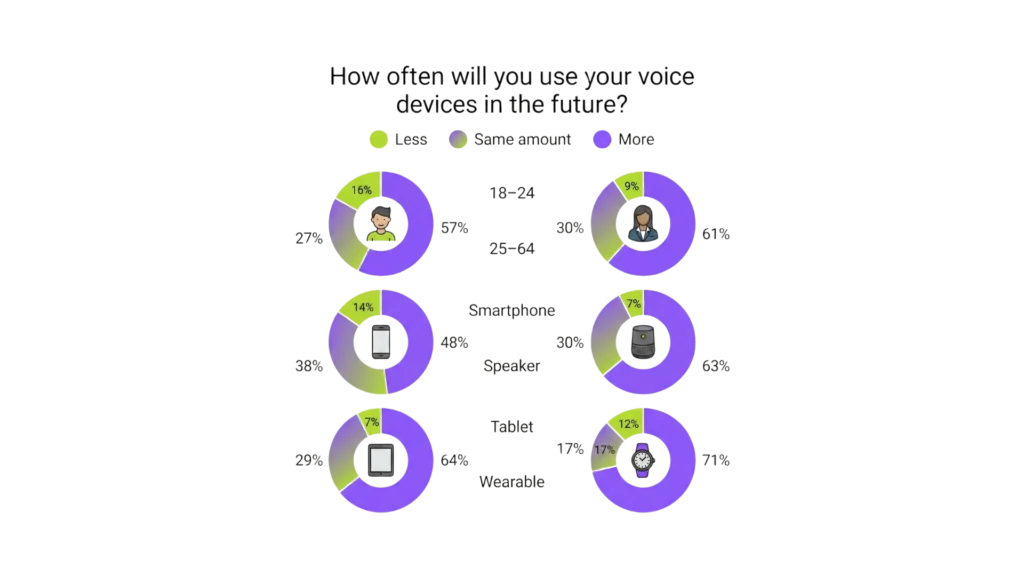
Voice search has also grown into a mainstream channel. Google’s CEO reported that 20% of searches on their mobile app and Android phones were voice searches several years ago, with that percentage continuing to grow. Furthermore, nearly 71% of Gen Z users now prefer voice-enabled devices for making online queries, especially when you have highly specific needs like program selection.
Voice search queries differ a lot from typed searches:
- They’re longer and more conversational
- They focus on getting direct answers (who, what, where, how, when)
- They’re often location-based (“near me” searches)
- They frequently push for immediate action
Students increasingly ask questions like “Which MBA college in Mumbai offers international exposure and hostel facilities?” rather than typing “MBA colleges in Mumbai”. This conversational approach demands content that mirrors natural speech patterns.
Rise Of Long-Tail And Location-Based Keywords
Long-tail keywords—phrases that are four or more words—have become essential in edu keyword competition. Though they have lower search volumes, they offer two big advantages: they’re generally more cost-effective to target since fewer institutions compete for them, and they convert at high rates (approximately 4-6%).
These extended keyword phrases closely match how today’s prospective students actually search. As one expert notes, “When your institution’s content closely matches prospective students’ search terms, the likelihood of your site appearing in the SERP increases”.
Location-based keywords represent another crucial category experiencing growth. “Near me” voice searches in the education category increased by over 120% according to recent data. Students frequently search phrases like “Business Degrees in NYC” or “Best engineering colleges within 30 minutes from Indore”.
Then, developing dedicated pages for each campus location and optimizing for local search terms can boost your visibility during admission season by a lot. These location-specific optimizations serve as powerful tools against education SEO seasonal drop issues that many institutions face.
The strategic implementation of these keyword categories requires ongoing research, monitoring, and content refinement. Educational institutions that systematically identify and incorporate hundreds of long-tail keyword phrases into their content strategy can achieve high results throughout the enrollment cycle.
Content Gaps That Hurt Visibility in Peak Season
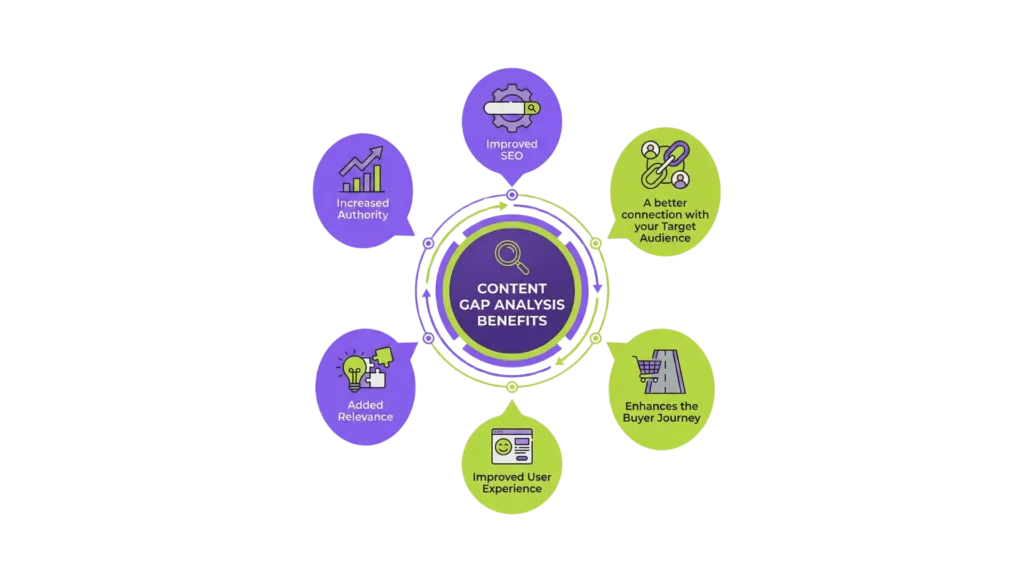
Content gaps become painfully evident during admission seasons, often causing your education SEO seasonal drop just when visibility matters most. These gaps directly affect your institution’s ability to appear in search results for the specific queries prospective students use as they approach application deadlines.
Missing Program-Specific Landing Pages
Program-specific landing pages serve as vital conversion points for prospective students who have moved beyond general exploration. Despite their importance, many institutions fail to create dedicated pages for each academic program they offer. This oversight proves especially damaging as 69% of surveyed marketing leaders report flat or declining digital marketing budgets, even as expectations for enrollment impact continue to rise.
Your .edu website remains the most direct and measurable way to influence enrollment outcomes, yet without program-specific landing pages, you miss capturing high-intent search traffic. Think over that prospective students primarily search for specific programs rather than institution names. These students expect:
- Clear program descriptions with transparent outcomes
- Detailed admission requirements with FAQ schema markup
- Comprehensive cost breakdowns with calculators
- Program-specific testimonials and career pathways
Each program deserves its own dedicated page to rank effectively in search results. As one expert notes, “To rank in organic search, it’s important to provide focused content that captures specific user intent”. To cite an instance, online degree programs typically attract different audiences—with different keyword searches—than traditional on-campus programs.
Outdated Admissions And Financial Aid Info
Outdated information ranks among the top five barriers to digital progress across nearly every institutional segment. When prospective students encounter financial aid sections with outdated deadlines or inaccurate tuition figures, trust erodes instantly. This issue becomes critical as 93% of education professionals believe improving website experience would positively affect student success metrics like enrollment and retention, yet only 19% say their current experience is great.
Even more concerning, 43% of institutions report it takes a week or more to update their site search so students can find the most up-to-date content. This lag creates a dangerous scenario during admission season,, particularly with ranking issues, when prospective students need immediate, accurate information to make informed decisions.
Gen Z students especially expect instant, detailed information. They use search engines to quickly explore and review educational options, from comparing program offerings to checking tuition costs. If your financial aid and admissions content isn’t readily visible and current, you risk losing these high-intent prospects.
Lack Of Student Testimonials And Campus Life Content
Choosing a university represents one of the most important decisions a prospective student will make. Beyond official brochures and program descriptions, they seek reassurance through authentic insights. Student testimonials bridge this gap by offering relatable stories and firsthand accounts that allow potential students to imagine themselves at your institution.
Testimonials provide powerful social proof—especially when they come from diverse voices, including current students, alumni, faculty, and staff. According to conversion research, landing pages with social proof have a conversion rate of 12.5%, whereas pages without it convert at just 11.4%.
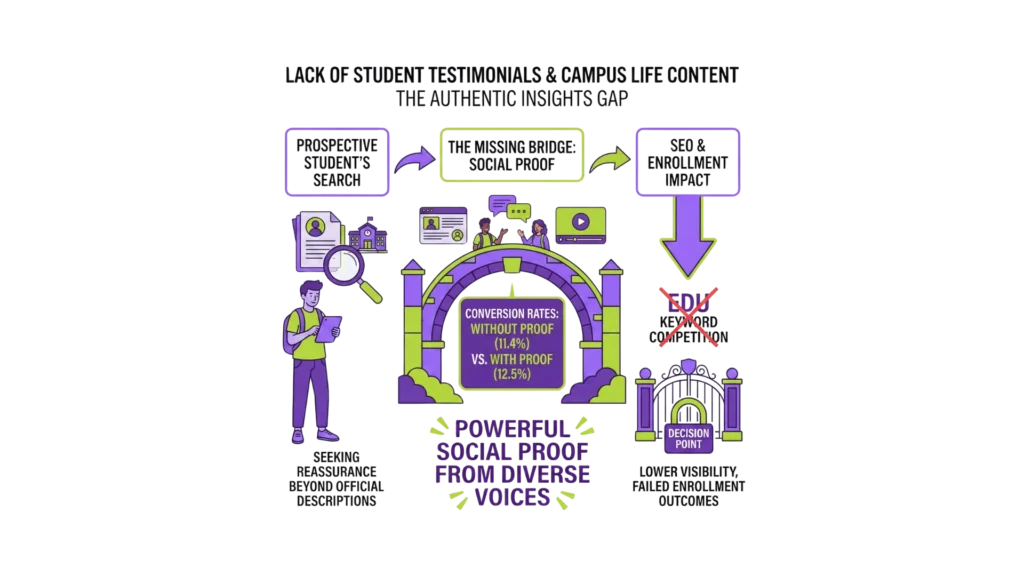
Without these elements, your higher education SEO suffers precisely when prospect research intensifies. Including faculty quotes, student testimonials, and videos enhances your program pages for both user experience and edu keyword competition. These content gaps don’t just hurt visibility—they directly affect enrollment outcomes by failing to provide the information students need at crucial decision points.
Technical SEO Issues That Cause Ranking Drops
Technical SEO problems often hide beneath the surface, yet they can devastate your institution’s search visibility exactly when prospective students are most actively searching. These issues often worsen during admission season, ranking issues as your website experiences traffic surges that expose weaknesses.
Slow-Loading Pages During Traffic Spikes
Technical performance becomes crucial duringthe admission season when traffic surges. Research shows almost half of web users abandon sites that take three seconds or longer to load. This rapid abandonment creates a compounding problem—as bounce rates increase, your search rankings further decline.
Page load speed directly affects both your Google and Facebook search rankings. For educational institutions, this effect becomes even more significant, considering your primary audience consists of millennials and Gen Z applicants who show less patience with slow-loading pages than older users.
To identify performance issues, look at where page elements are stored and which elements slow your site down. Image compression offers an easy first step to reduce loading times—tools like TinyPNG can quickly resize images before uploading them to your website.
To achieve detailed performance improvements:
- Implement both browser-side and server-side caching
- Reduce HTTP requests to your server (which typically average nearly 100 per page load)
- Use performance monitoring tools that show exactly which elements take the longest to load
Mobile Usability Errors In Ga4 And GSC
Mobile optimization now represents a fundamental necessity rather than an optional enhancement. With the majority of searches occurring on smartphones, Google has implemented mobile-first indexing, making the mobile version of your website the primary basis for ranking and indexing.
Google Search Console (GSC) plays an essential role in identifying mobile usability problems through its dedicated Mobile Usability report. This report expresses pages failing to meet mobile-friendly criteria, flagging issues like:
- Text too small to read
- Clickable elements are too close together
- Content wider than the screen
- Viewport configuration problems
These technical errors directly affect search visibility, especially with Google prioritizing mobile user experience in its ranking algorithms. Poor mobile performance leads to higher bounce rates and reduced session duration—metrics that search engines interpret as negative user experiences.
After resolving mobile usability issues, GSC allows you to verify fixes and confirm successful resolution. Regular monitoring will give a chance to identify new issues before they affect rankings during critical education SEO seasonal drop periods.
Missing Or Broken Internal Links On Key Pages
Internal linking problems create significant obstacles for both users and search engines. Broken links leading to non-existent pages create frustrating dead ends that signal to search engines your website isn’t well-managed. These issues damage user trust and crawl efficiency.

Orphaned pages—those without any internal links pointing to them—present another common higher education SEO challenge. These pages become difficult to find and crawl, effectively rendering potentially valuable content invisible to prospective students.
To strengthen your internal linking structure:
- Use a site audit tool to identify and fix broken internal links
- Remove unnecessary links from pages with excessive internal links (which dilute importance signals)
- Strategically add contextual links to orphaned URLs from relevant pages
For maximum stability, establish internal links using node IDs rather than full URLs whenever possible. This approach ensures links remain functional even if the source or destination content changes, a particularly valuable strategy for education SEO companies managing large institutional websites.
Solid technical SEO forms the foundations of all other optimization efforts. Working with an experienced higher education SEO partner like RankFast helps ensure these technical issues don’t undermine your visibility during peak admission seasons.
Local SEO and Google Business Profile Optimization
Local search optimization is a crucial yet often overlooked part of curbing the education SEO seasonal drop. Prospective students increasingly search with location-intent during decision-making phases. Recent data shows that about 82% of graduate students apply to programs within 50-100 miles of their homes. Similarly, 11th and 12th-graders are leaning more towards in-state college options. Your local SEO strategy becomes even more vital as admission season heats up.
Claim And Update Campus Listings
Your Google Business Profile (GBP) acts as your institution’s digital storefront, often creating the first impression in local searches. Start by claiming and verifying your GBP for each campus location. Verification usually happens through a postcard, phone, email, or video. For institutions with over 10 campus listings, bulk verification might be available, but all listings must be managed under the same GBP account.
Once verified, complete every section of your profile with:
- Full institution name, accurate address, and phone number (NAP)
- Regular operating hours (for admissions offices)
- Detailed description (750 characters maximum) of your school’s unique value
- High-quality campus photos
- Links to relevant landing pages
- Regular posts about campus activities and events
Separate listings for individual buildings, departments, and facilities help prospects find specific information. An education SEO company expert notes, “Google can actually penalize you if you try to list multiple locations under one Google Business Profile”. Regular updates to your GBP signal to search engines that your institution remains active and engaged, boosting local search visibility precisely when admission season ranking issues intensify.
Use Location-Based Keywords In Program Pages
To curb edu keyword competition in local searches, incorporate geographic terms throughout your program pages. Instead of generic phrases like “top business school,” use location-specific modifiers such as “top business school in [City]” or “best nursing program in [Region]”. This approach lines up perfectly with how prospective students actually search.
Creating dedicated landing pages for each campus location significantly strengthens your higher education SEO strategy. These pages should include:
- Location-specific content highlighting unique campus features
- Information about local internship opportunities
- Community partnerships specific to that area
- Regional career outcomes and success stories
These optimizations make your institution more visible in location-based searches that combine programs with geographic modifiers. This visibility proves especially valuable during peak admission seasons when students narrow their search to specific locations. Institutions implementing complete local SEO strategies typically experience improved visibility in location-based searches.
Encourage Student And Parent Reviews
Online reviews affect both local SEO rankings and prospective students’ perceptions of your institution. Research shows that 75% of consumers “always” or “regularly” read reviews before choosing a local business. In other words, student reviews serve as powerful virtual word-of-mouth recommendations.
Along with optimizing your GBP, actively requesting and managing reviews creates a significant competitive advantage during education SEO seasonal drop periods. Timing of review requests matters greatly—reach out after positive experiences like successful parent-teacher conferences, special events, or end-of-year celebrations. Make the process simple by creating QR codes that direct users straight to your review platforms.
Equally important is how you respond to reviews. Engaging professionally with both positive and negative feedback shows your institution values community input. An expert notes, “A calm, helpful reply does more for your reputation than silence ever could”. This responsiveness shows search engines that your school actively manages its online presence.
By implementing these local SEO strategies, your institution can maintain visibility even during intense edu keyword competition periods of the admission season. Working with a specialized higher education SEO partner ensures these optimizations are properly implemented and monitored for maximum effect.
AI and SERP Features: New Rules of Visibility
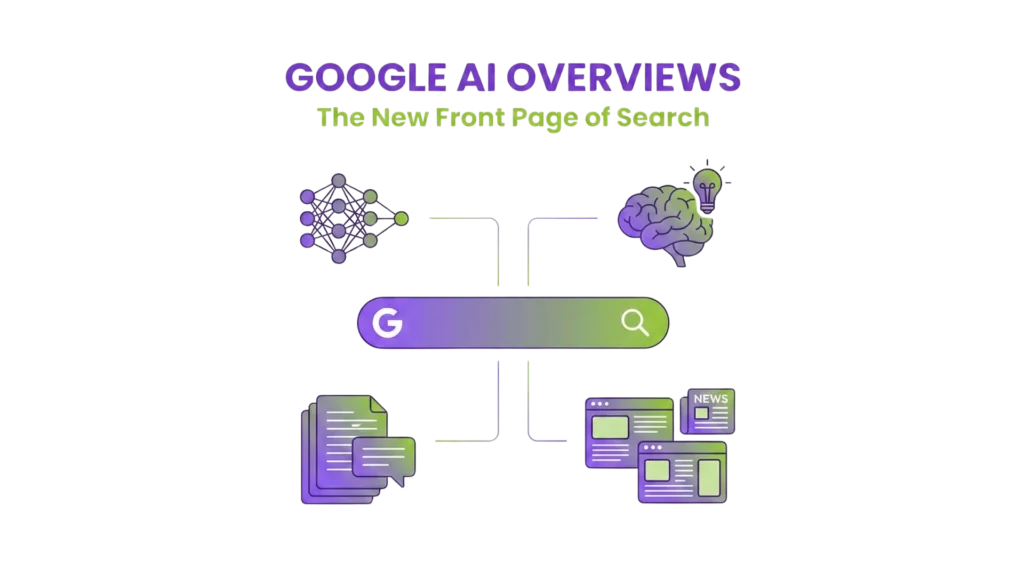
AI-generated search results have radically changed visibility rules for educational institutions. Search experiences now rely heavily on artificial intelligence, making it essential to understand these changes to curb the education SEO seasonal drop during critical enrollment periods.
How AI-Generated Answers Reduce Clicks
Pew Research findings show a dramatic change in user behavior. Users click external links only 8% of the time when Google’s AI Overviews appear, compared to 15% without AI summaries. The numbers look even more troubling as users end their search sessions 26% of the time after seeing an AI Overview, versus just 16% without these summaries.
A high ranking no longer guarantees traffic – a major shift affecting higher education SEO strategies. The numbers paint a stark picture: all but one percent of users who see AI summaries click on cited links. This creates serious visibility challenges during admission season, ranking issues when student engagement matters most.
Importance Of Structured Data And Schema
AI systems increasingly determine which educational content appears in search results, making structured data vital. Schema markup gives these systems well-laid-out information about your programs and institution.
Schools and colleges need these key schema types to stay visible amid fierce edu keyword competition:
- Course schema – highlighting program details, requirements, and outcomes
- Organization schema – establishing your institution’s identity and credentials
- FAQ schema – answering common admissions and program questions
Major search engines collaborated to create Schema.org markup, which now serves as a direct line to AI systems. Search engines struggle to understand content without this structured organization, often excluding it from AI-generated responses during peak admission seasons.
Tracking Mentions In AI Summaries And Snippets
Traditional rankings no longer tell the whole story – monitoring your institution’s presence in AI-generated content needs new metrics. AI visibility has become a vital KPI, measuring how often your school appears in AI answers.
Your reputation builds on AI summaries and the narratives they create. One expert puts it clearly: “If your program isn’t present in those AI-generated search results, you’re invisible in the zero-click stage”.
The core team should track where your institution appears on AI platforms like ChatGPT, Google AI Overviews, and Perplexity. This monitoring shows whether AI systems see your content as authoritative enough to cite during the prospective students’ decision-making process.
Why Choose RankFast as Your Education SEO Company
Your institution’s online visibility depends on selecting the right education SEO company, especially when edu keyword competition is fierce. RankFast provides specialized solutions that help educational institutions overcome their challenges during peak recruitment periods.
Specialized SEO For Schools And Colleges
RankFast works exclusively with universities, colleges, and online programs, unlike general agencies that use one-size-fits-all approaches. The core team at RankFast really understands university websites, complex stakeholder relationships, and enrollment cycles. This dedicated focus results in strategies tailored specifically for the academic world.
Compared to other education SEO companies, RankFast turns academic knowledge into engaging, search-optimized content by leveraging your institution’s built-in authority. Your faculty’s credentials and research accomplishments become natural E-E-A-T advantages that boost your institution’s standing.
Proven Results During Admission Cycles
RankFast delivers measurable outcomes when they matter most – during critical admission season ranking issues. A college working with RankFast achieved a program page visibility increase of 950% and saw qualified organic leads grow by 900%. Most university partners see their program pages’ organic traffic grow by 50-70% in the first year.
One university bounced back from algorithm updates in just three months with RankFast’s proven higher education SEO strategies. Their organic sessions and inquiries grew beyond pre-update levels.
Transparent Reporting And Full-Funnel Tracking
Clear pricing and detailed reporting show exactly where your budget goes and what results you achieve. RankFast tracks metrics that directly affect enrollment: organic traffic growth, program page visibility, conversion rates, and program-specific keyword rankings.
This straightforward approach makes shared work easier because both parties can access recent data about your site’s traffic sources. You can prevent education SEO seasonal drop during crucial admission periods. Visit RankFast’s education SEO services to explore specialized solutions designed for educational institutions.
Conclusion
Technical SEO problems create real barriers to finding your institution online. Slow-loading pages during peak traffic and mobile errors push away Gen Z applicants quickly. On top of that, local SEO is a vital factor because most students look within specific geographic areas to make their final choice.
The biggest change comes from AI-generated search results that have changed how visibility works completely. Your content needs proper schema markup for AI interpretation while you retain control through strong E-E-A-T signals that educational institutions naturally have.
These obstacles might look daunting, but you can get expert help. RankFast’s education-focused SEO services are a great way to get better visibility during vital admission periods. This prevents seasonal ranking drops that make you lose qualified applicants. After all, your excellent educational programs won’t matter if students can’t find you online when they’re ready to decide.
Your institution should be as visible as it is excellent. Search engines and student behaviors keep changing, but education-specific SEO tactics will keep you competitive when it counts.
FAQs
What content gaps can hurt a school's visibility during peak admission times?
Common content gaps include missing program-specific landing pages, outdated admissions and financial aid information, and a lack of student testimonials and campus life content. These gaps can significantly reduce an institution's visibility when prospective students are actively searching for detailed information.
What technical SEO issues can cause ranking drops for educational institutions?
Key technical issues include slow-loading pages during traffic spikes, mobile usability errors, and missing or broken internal links on important pages. These problems can lead to poor user experience and reduced search engine rankings, especially during high-traffic admission periods.
How important is local SEO for schools and colleges?
Local SEO is crucial for educational institutions, as many students search for programs within their geographic area. Optimizing Google Business Profiles, using location-based keywords on program pages, and encouraging student and parent reviews can significantly improve local search visibility.
How has AI impacted search visibility for educational institutions?
AI-generated search results have changed the visibility landscape for schools. With fewer users clicking through to websites after seeing AI summaries, it's become essential to implement structured data and schema markup, and to track mentions in AI-generated content to maintain visibility in search results.