Looking for a BigCommerce SEO company to help you compete with ecommerce giants? The numbers tell an interesting story. Global ecommerce sales will reach $8 trillion by 2027. Third-party sellers now account for over 50% of Amazon’s sales. The digital world has never seen this level of competition.
Your business needs specialized strategies because millions of products fight for attention on Amazon and Walmart. Product schema optimization, ecommerce category SEO, competitor gap analysis, and conversion funnel design have become crucial tools. Top rankings might take two years or more to achieve, but the investment creates lasting competitive advantages.
The competition extends beyond other businesses. You face sophisticated algorithms, massive logistics networks, and technological advantages that these marketplaces have built over decades. But smaller ecommerce businesses can still find profitable niches. They can build loyal customer bases that retail giants struggle to match.
Why Competing with Amazon and Walmart Requires a New Playbook
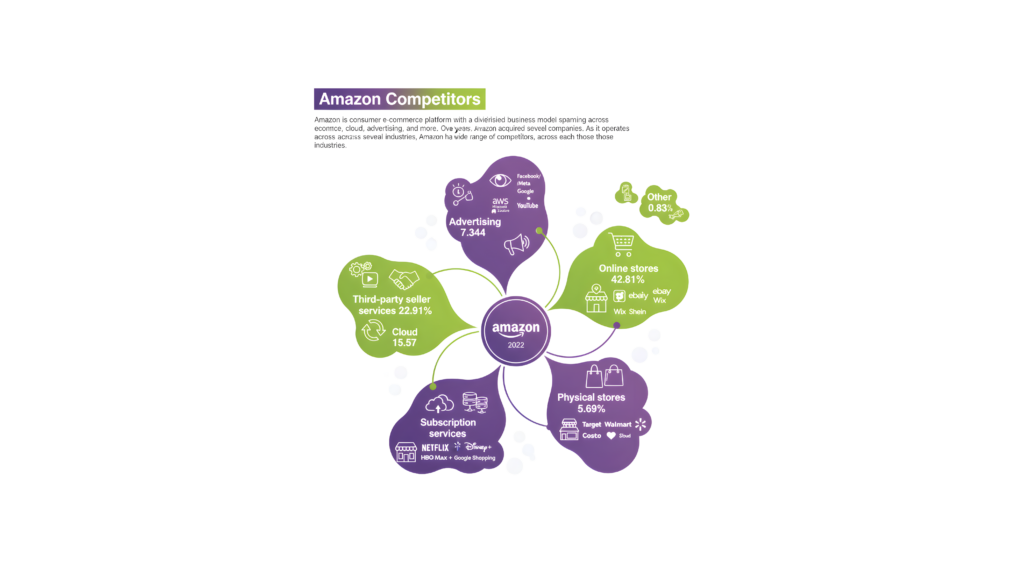
The digital marketplace today looks completely different because of giants like Amazon and Walmart. These companies have changed the game with their tech and logistics advantages. You’ll need to rethink your whole approach to compete.
Understanding Their Scale, Logistics, And Tech Advantage
Amazon controls about 37% of the US ecommerce market as of early 2025. Walmart has grown faster to 8-9% and keeps climbing. This market control didn’t happen by chance – these companies invested heavily in infrastructure and technology.
These giants have turned their logistics into their biggest competitive edge. Amazon’s huge network can deliver items next-day or even same-day, and they handle millions of items in real-time. Walmart has turned its 4,700+ physical stores into fulfillment centers that can reach 90% of Americans within 10 miles. This proximity gives Walmart the upper hand in grocery delivery and last-minute pickups.
Both companies have woven artificial intelligence into every part of their business:
- Amazon runs more than 1,000 GenAI applications that power shopping recommendations, product reviews, and internal processes
- Walmart uses AI-powered tech to handle inventory, predict demand, and run warehouse operations
- Both companies use autonomous robots in warehouses to sort, ship, and track inventory
Amazon’s tech infrastructure, especially Amazon Web Services (AWS), creates a smooth digital system that handles huge amounts of data and transactions. Their product discovery engine has learned from years of machine learning, making it way more accurate than what competitors offer.
You can’t just match their technology – that’s almost impossible. The key lies in finding strategic advantages these retail giants can’t easily copy.
Why Traditional SEO Alone Isn’t Enough Anymore
Traditional SEO approaches don’t work well on ecommerce platforms in 2025. The algorithms work nothing like general search engines. Let’s look at some key differences:
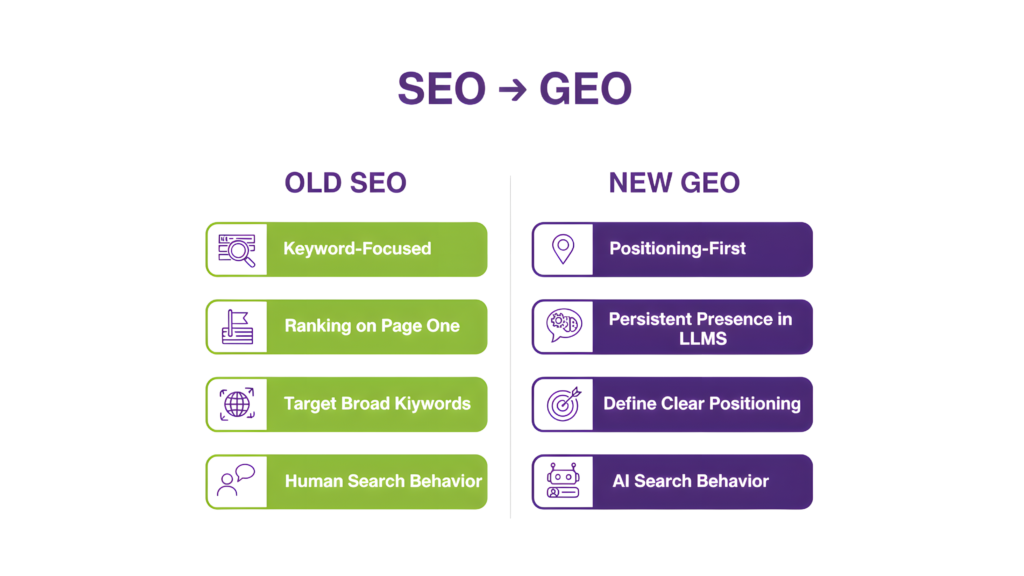
Amazon’s A10 algorithm looks at hundreds of factors to decide product visibility. It focuses on purchases rather than information, like traditional search engines do. Quality content gets judged by how well it converts, not by how informative it is.
Walmart’s algorithm really likes exact match keywords, and the first 50-80 characters of your title matter most. Amazon offers backend search terms, but Walmart doesn’t.
Rankings now depend more on factors beyond keywords:
- Your conversion rates directly affect rankings on both platforms
- How fast you sell products matters more than traditional SEO factors
- Customer reviews shape your placement based on quantity, recency, and sentiment
- Click-through rates and inventory levels play a big role in visibility
BigCommerce business owners should use specialized ecommerce category SEO strategies that work with these platform-specific algorithms. A bigcommerce seo company that knows these platforms can optimize product schema to match how these marketplaces rank listings.
These factors all work together, so fixing just one won’t help much. Making your keywords better won’t help if your conversion rate stays low. Your conversion optimization matters more than keywords.
The best way to compete against these giants is to analyze competitor gaps, find untapped opportunities, and build conversion funnels that work with each platform’s unique algorithm.
Building a Strong SEO Foundation on BigCommerce
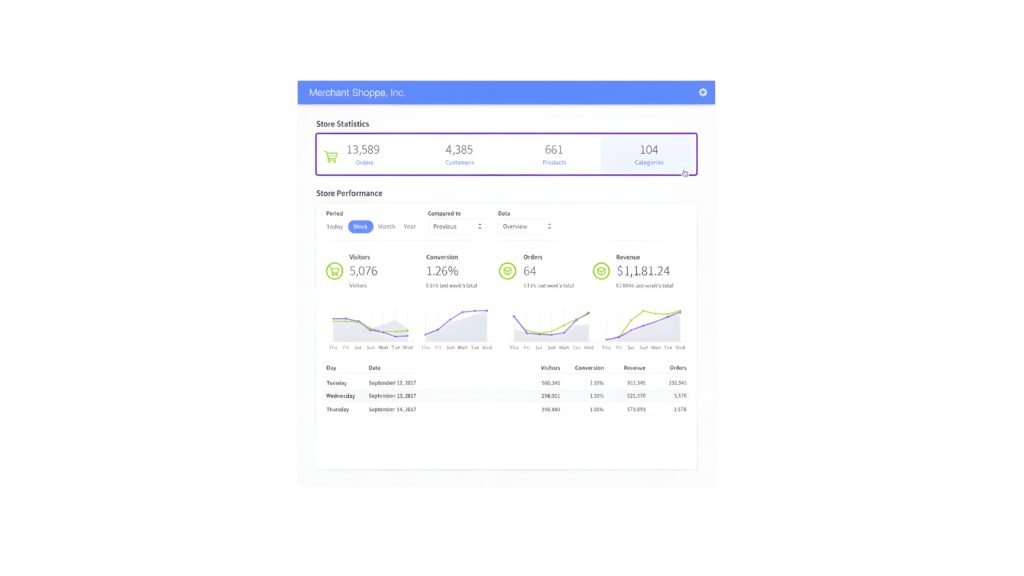
Your BigCommerce store needs more than product uploads and traffic hopes. The right foundation techniques will help search engines find, crawl, and rank your site better. Let’s look at key optimization strategies that will put your store ahead of competitors.
Optimizing Category And Product Pages For Ecommerce SEO
Category page optimization remains one of the most overlooked tools in ecommerce SEO. Each new collection page gives you a chance to target search terms that shoppers use to find products like yours. Google’s algorithm tends to rank category pages higher than individual product pages.
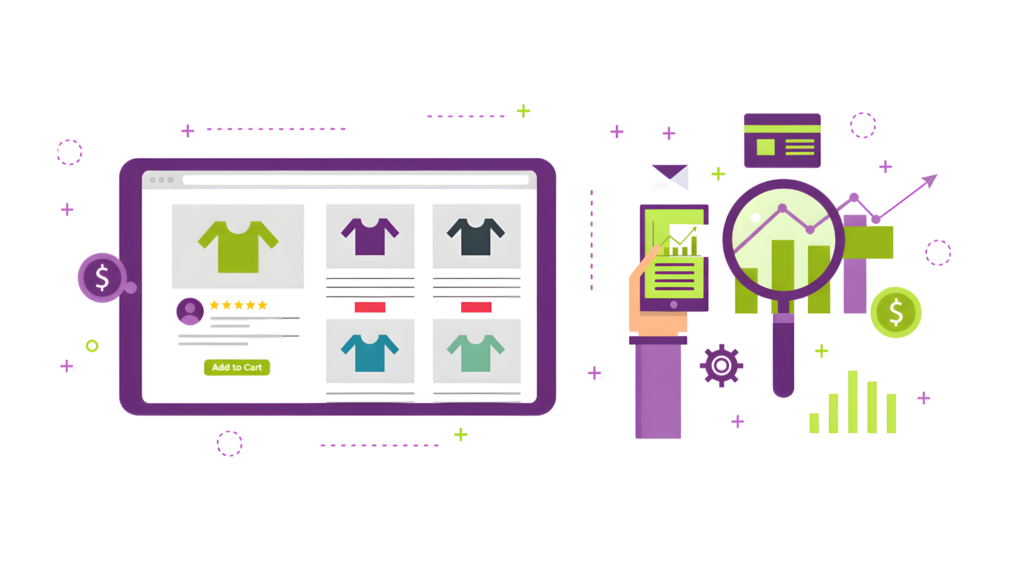
Your BigCommerce category pages will work better when you:
- Put target keywords in clean, descriptive URLs, no more than three clicks from the homepage
- Build logical category hierarchies with parent-child relationships
- Add breadcrumb navigation so users and search engines understand page relationships
- Write 300+ word category descriptions with natural keywords
- Set up faceted navigation carefully to save crawl budget
Product pages need complete optimization of all elements. BigCommerce automatically provides optimized and unique URLs for each page, which prevents duplicate content penalties. Despite that, you should make your product title tags catchy yet SEO-friendly to describe products accurately.
Good product images with proper alt text work two ways—they make the site better for users and help search engines understand your products. On top of that, detailed product descriptions that cover features, benefits, and usage let you add secondary keywords naturally.
Using Structured Data And Product Schema Optimization
Product schema markup makes your ecommerce store stand out in search results with rich snippets. Most BigCommerce themes come with simple schema markup, but many stores don’t use all available structured data options.
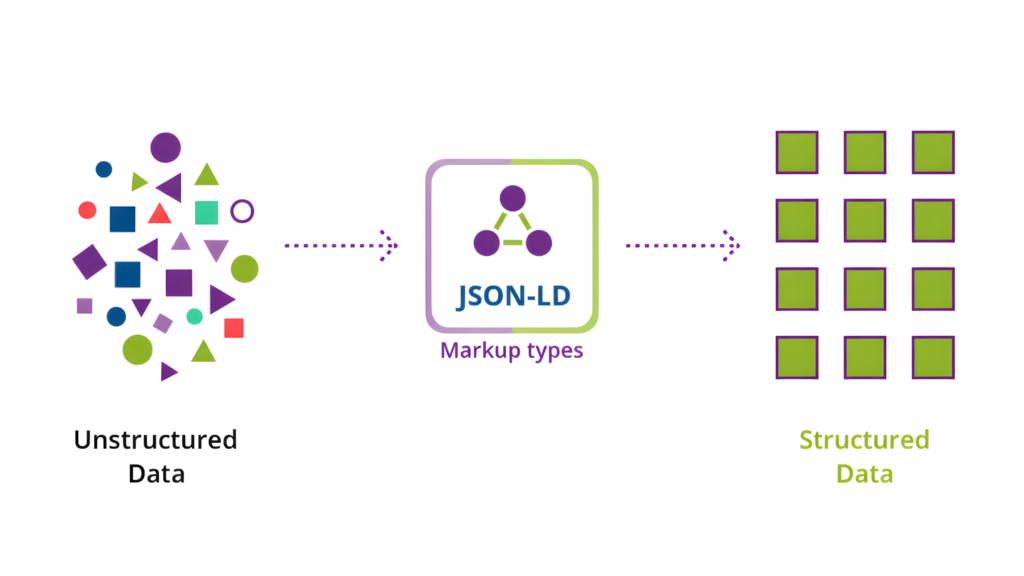
Product schema lets Google show key details in search results through rich snippets like:
- Price information
- Availability status
- Review ratings
- Brand information
The best way to use schema on BigCommerce starts with these must-have properties: name, image, description. You should also add recommended properties like aggregateRating (for star ratings), brand, offers (with pricing), and reviews.
BreadcrumbList markup can show your site hierarchy in search results, giving users direct access to your site’s structure. The Google Structured Data Testing Tool helps check your schema setup before launch.
Creating Internal Linking Strategies For Crawlability
Internal links guide both users and search engines through your BigCommerce store. Large ecommerce sites with thousands of pages need smart internal linking to help search engines find and crawl all pages quickly.
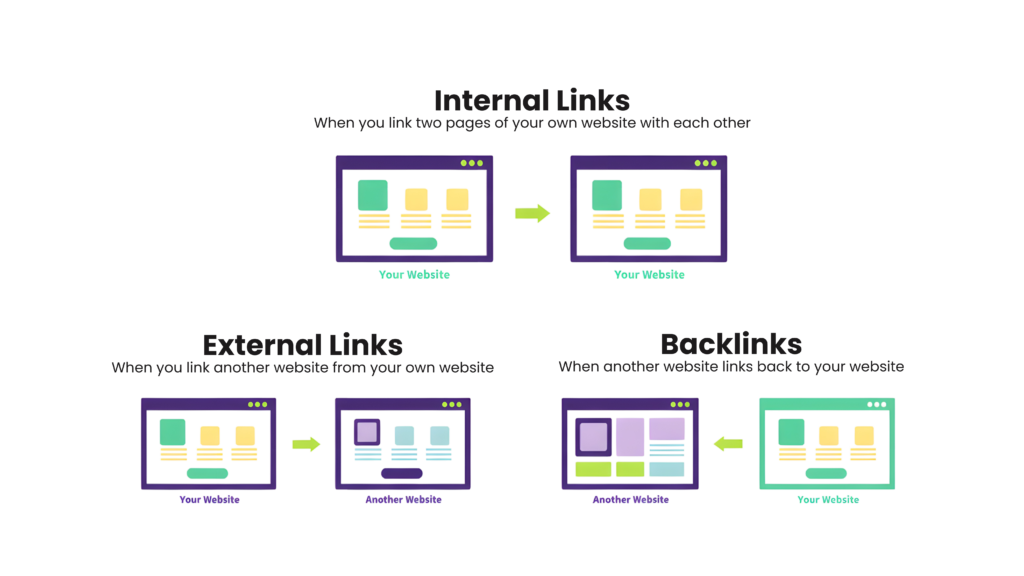
A good site structure looks like a pyramid—homepage at the top, categories below, and products at the bottom. Search engines can understand page relationships better with this layout.
BigCommerce stores should follow these internal linking tips:
- Connect parent category pages to subcategories and link similar pages
- Use context-based links in category page content
- Add internal linking modules like “Related Searches” at the bottom of the page bottoms
- Put “Related Products” sections on product pages
- Turn product attributes (size, color, brand) into links
Good internal linking spreads “link equity” across your site and helps less visible pages get noticed. Pages with quality backlinks share their authority through these internal connections.
These SEO basics will give your BigCommerce store a strong foundation that search engines can index and rank well. This technical setup prepares you to create content that both converts customers and ranks in searches.
Content That Converts and Ranks
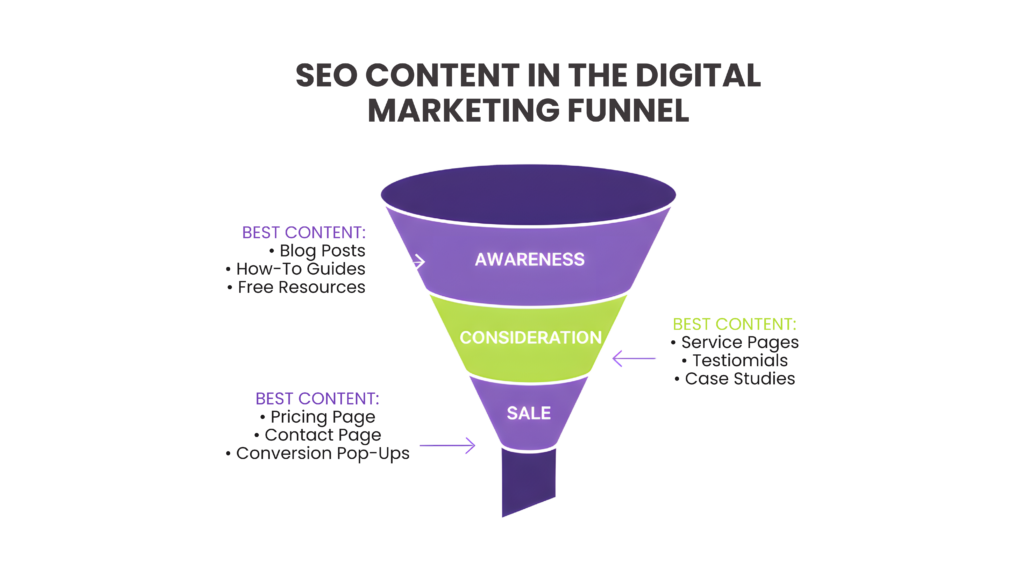
Creating content that converts visitors and ranks well in search results helps BigCommerce stores compete with retail giants. E-commerce content must guide potential customers through their buying experience and signal relevance to search engines.
Creating Helpful, Keyword-Rich Content For Each Stage Of The Funnel
Your e-commerce content should match customer experience stages. You need top-of-funnel content that addresses broad educational needs when shoppers discover their problems. Middle-of-funnel content works for evaluation, and bottom-of-funnel content helps decision-making.
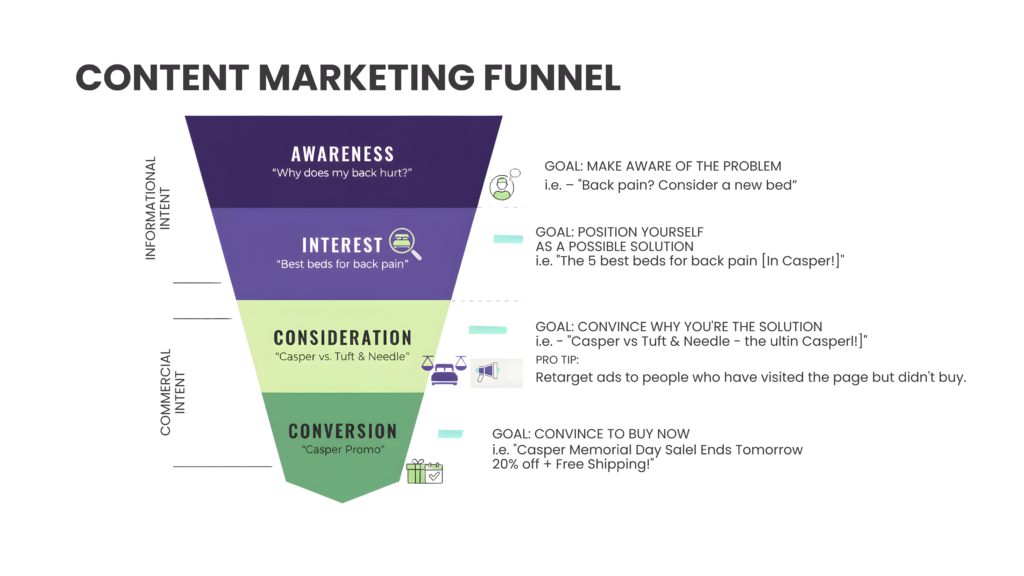
Your awareness stage content should answer “what,” “why,” and “how” questions with informational keywords. Middle-stage content helps users compare solutions with terms like “best,” “alternatives,” or “vs.” comparisons. Decision-stage content targets commercial intent with terms like “pricing,” “reviews,” or “where to buy” phrases.
Companies with an active blog receive 55% more web traffic, 97% more inbound links, and 434% more indexed pages. More traffic means more chances to convert visitors into customers. A bigcommerce seo company can identify keywords that match each funnel stage through competitor gap analysis. This ensures you capture search traffic throughout the buyer’s experience.
Using Blog Posts, Buying Guides, And FAQs to Build Authority
Blog posts form the foundation of your content strategy by positioning your store as an industry authority. They should answer customer questions before purchase decisions. Well-crafted blogs targeting relevant keywords can make your store a go-to resource when shoppers look for solutions.
Buying guides drive conversion by helping shoppers make informed decisions while guiding them toward your products. These guides offer valuable information about product features, comparisons, and use cases. This ensures customers select items that meet their needs.
FAQs remove barriers to purchase by answering common questions and objections. Brands using boosted content elements like these have seen up to a 10% increase in conversion across categories. This multimedia approach brings product pages to life and gives buyers the information they need for final decisions.
Incorporating User-Generated Content And Reviews
Nothing builds trust better than user-generated content (UGC). About 98% of consumers read online reviews before making a purchase. Modern shoppers trust reviews as reliable indicators of product quality and brand reliability.
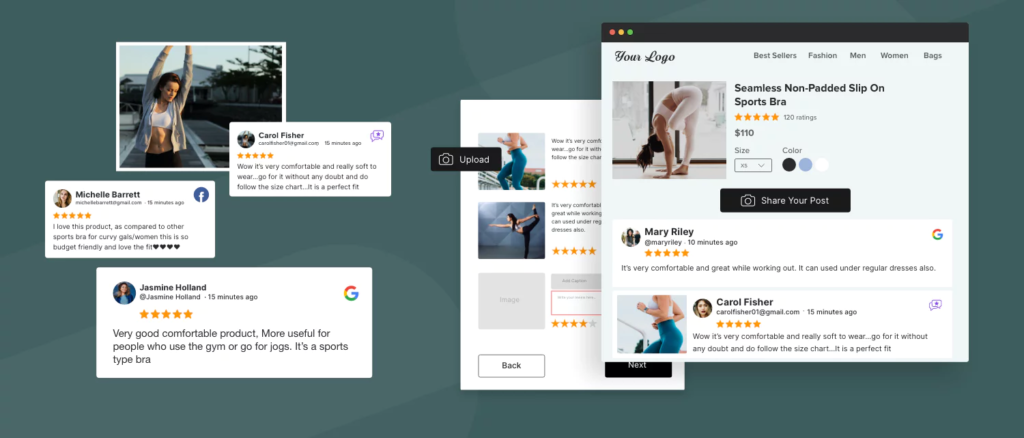
UGC delivers value in several vital ways:
- Adds fresh, keyword-rich content that search engines value
- Increases dwell time on product pages, a positive ranking signal
- Provides social proof that influences buying behavior
- Highlights specific benefits in customer language
Reviews boost conversions and improve your product schema optimization efforts. Search engines can display rich snippets with star ratings and review counts in search results when properly structured using schema markup. This makes your listings stand out.
These content strategies need consistent effort but bring substantial rewards. Your BigCommerce store can compete against e-commerce giants by creating valuable content for each funnel stage, building authority through educational resources, and using user-generated content effectively.
Off-Page SEO and Authority Building
Your foundation is built, and your content compels visitors. Now it’s time to build authority beyond your website. BigCommerce stores gain a competitive edge when they develop strong off-page signals that work alongside their on-site optimization.
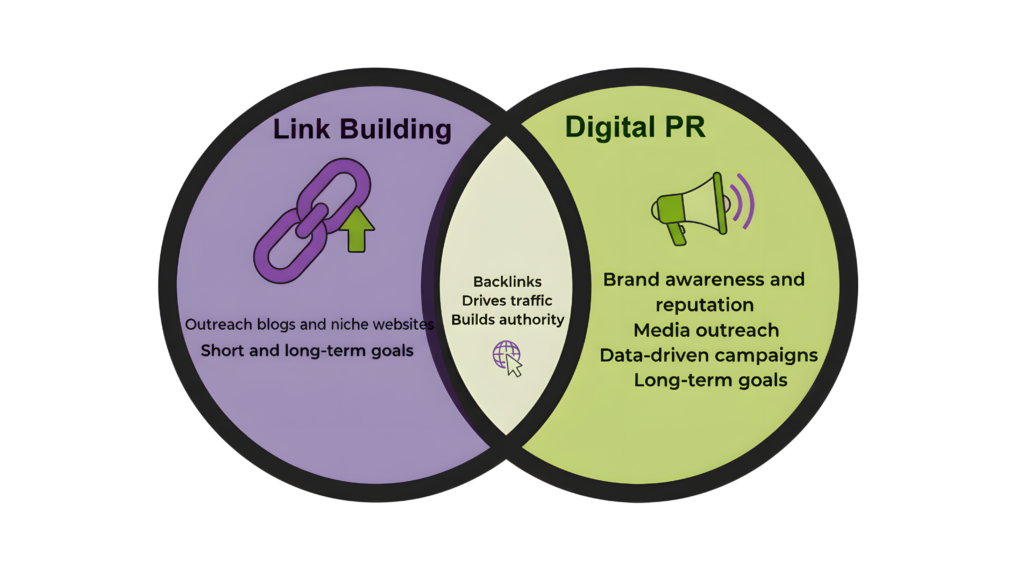
Link Building Through Guest Posts And Digital PR
Guest blogging stands out as one of the most powerful link-building tactics available to ecommerce businesses. Guest blogging campaigns at Hunter generated 174 backlinks from high-authority domains (DR70+) in just one year. Search engines recognize these quality backlinks and reward your BigCommerce store with higher rankings.
Success in guest posting comes from building relationships with relevant websites in your industry. Skip mass outreach and focus on these steps:
- Identify websites with existing guest contributors in your niche
- Research decision-makers before pitching (editors, content managers, marketing directors)
- Personalize outreach with prospect-specific insights
- Follow up strategically (this can boost replies by 65.8%)
Digital PR works hand-in-hand with guest posting to earn mentions from reputable publications. This strategy positions your brand as an authority and builds backlinks simultaneously. Search engines recognize the social relevance of media coverage through digital PR. One client’s success story shows a remarkable 363% increase in organic sales through combined digital PR and SEO efforts.
Leveraging Social Signals And Citations
Social signals may not directly influence rankings, but they substantially affect your BigCommerce store’s visibility. People who engage with your content across platforms create more opportunities for backlinks and brand mentions.
Social signals help boost your site’s organic search ranking in several ways:
They work like backlinks by showing your site’s value and authority. Your content reaches influencers and journalists who might mention your store when social visibility increases. Direct traffic from social engagement becomes a positive ranking signal, too.
Citations—brand mentions across the web—make your authority profile stronger. Search engines recognize even unlinked mentions as signals that boost your site’s SEO performance. Your broader credibility grows as you monitor brand mentions and actively pursue citation opportunities.
Using Influencer Partnerships To Drive Traffic
The influencer marketing industry will reach $33 billion by 2025. This growth makes sense since 74% of consumers buy products based on influencer recommendations alone.
Your BigCommerce store can achieve impressive results by partnering with the right influencers:
In stark comparison to this common belief, micro-influencers deliver better outcomes than celebrities or macro-influencers. Footwear company Allbirds demonstrates this approach through collaborations with quality micro-influencers who align with their brand aesthetics.
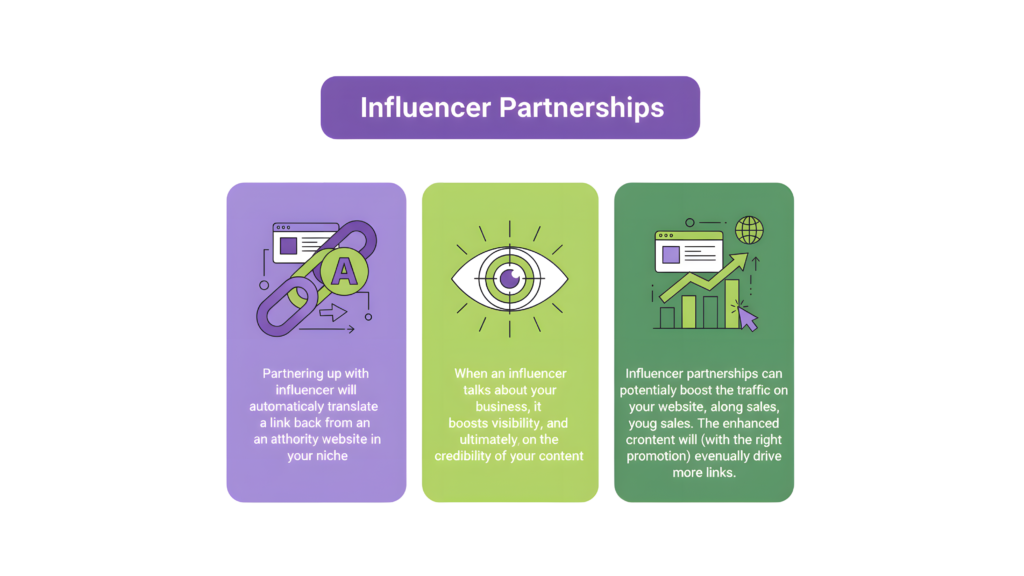
Platform choice plays a crucial role. Instagram leads the pack with 90% of brands ranking it as their top channel for influencer collaborations. TikTok shows strong engagement rates between 5.25% and 6.7%, making it valuable for ecommerce partnerships.
These three off-page strategies—guest posting, social signals, and influencer partnerships—create a complete authority-building system for your BigCommerce store. A specialized bigcommerce seo company like Rankfast helps implement these tactics while analyzing competitor gaps to find unique opportunities your rivals missed. Learn how their team can build your store’s off-page authority and drive sustainable traffic growth at Rankfast’s SEO services.
Advanced Tactics for Long-Term Growth
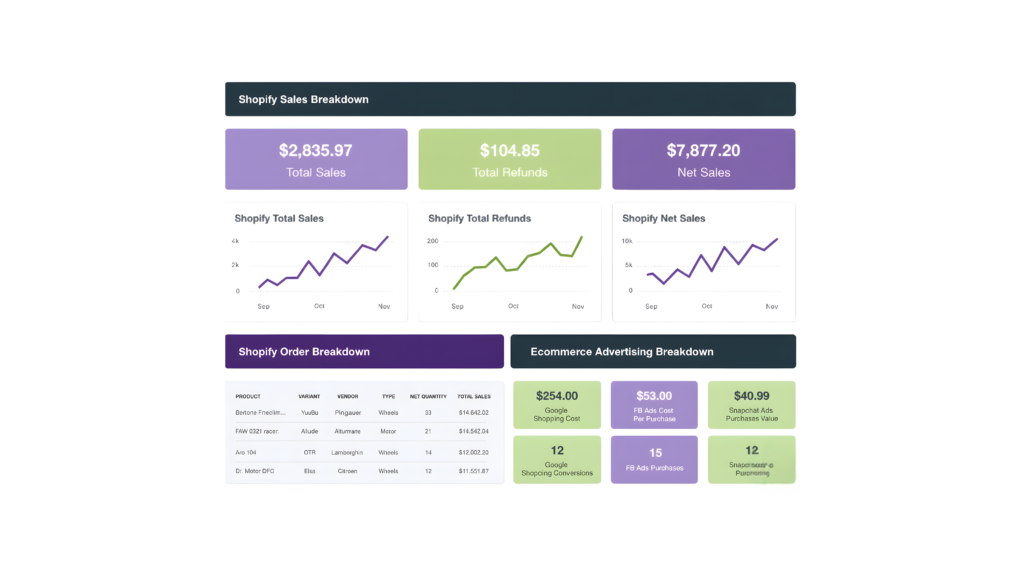
Your BigCommerce store needs more than simple optimizations to compete with retail giants. Smart strategies based on informed decisions will help you spot gaps, boost conversions, and improve your customer experience.
1. Competitor Gap Analysis To Find Missed Opportunities
A competitor gap analysis shows you valuable keywords where your competitors rank but you don’t. This process reveals what your audience looks for during their buying process and highlights content that needs improvement.
Use specialized tools to compare your competitor rankings through keyword gap analysis. Look at your content and spot what’s not working well in terms of rank and monthly organic traffic. Map out how customers buy from you while considering their challenges and questions at each stage.
Looking at competitor prices, marketing channels, and value offerings helps you find spots where customer needs aren’t met by current solutions. You’ll end up with a list of quick wins ranked by ROI that you can act on right away.
2. Conversion Funnel Design To Improve ROI
A well-designed ecommerce conversion funnel gets you the most from your marketing spend by mapping each customer touchpoint. Look at every interaction from search to sale, then set specific conversion goals for each stage.
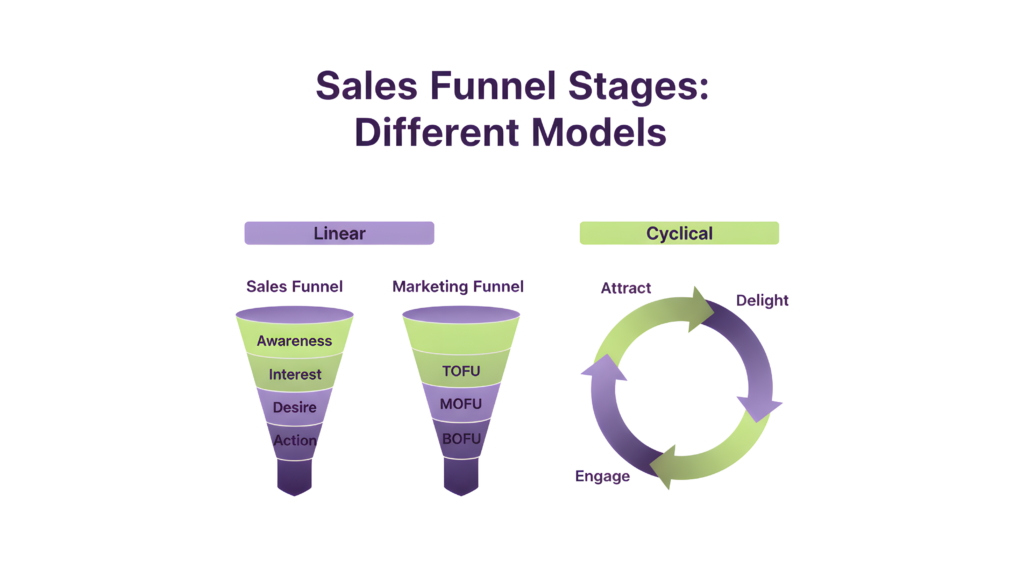
Analytics show exactly where users leave your funnel. If only 59.2% of users buy after adding items to the cart, that’s where you need to focus. Quick fixes with big returns are the fastest way to see results.
Group your audience by age, location, job title, or online behavior for better messaging. Remember that getting your ecommerce funnel right takes time and constant tweaking.
3. A/B Testing For Titles, CTAs, and Layouts
A/B testing lets you compare different versions of webpage elements to see what works better. This method helps create better customer experiences, make smart decisions, and increase conversion rates.
Here’s how to test effectively:
- Try different CTA elements – words, colors, placement, size, and design
- Switch up product photos to see which ones sell best
- Test various headlines, descriptions, and writing styles
- See if one-page checkout works better than multiple pages
Tests work best when they follow the Scientific Method – change one thing at a time for clear results. Check metrics like conversion rates and engagement to pick the winner.
4. Using Heatmaps And Analytics To Refine UX
Heatmaps show you visually how users interact with your site. They highlight popular areas in red and less-used spots in blue.
Click maps show which elements grab attention and which get ignored – perfect for improving CTAs. Scroll maps reveal how far people read, so you can put important content where they’ll see it. Mouse tracking shows where users focus or get confused.

Session recordings work with heatmaps to show actual user behavior on your site, helping to spot problems and bugs. Combined with regular analytics, these tools show exactly why users do what they do.
Want to find your competitors’ weak spots? Try Rankfast’s free competitor analysis tool to spot missed opportunities and build your growth strategy.
Why Choose Rankfast for BigCommerce SEO
The right BigCommerce SEO company can help you compete with retail giants. RankFast stands out from the crowd, and with good reason, too.
Proven Track Record With Ecommerce Clients
RankFast’s results tell a compelling story. A B2B SaaS client saw a 226% increase in organic traffic. Their demo bookings multiplied 4.5 times while bounce rates dropped by 22%. Another client’s website ranked for over 100 new keywords. More than 20 of these keywords landed in the top 10 positions. RankFast doesn’t just make promises – they deliver real results in weeks, not months.
Expertise in The BigCommerce Platform And Integrations
RankFast’s team has worked with ecommerce platforms worldwide. They’ve developed deep knowledge of BigCommerce’s architecture and features. This platform expertise lets them optimize product schemas and ecommerce categories in ways other agencies can’t match. The team keeps up with every BigCommerce update and integration to boost your store’s performance.
Custom Strategies Tailored To Your Niche And Goals
Cookie-cutter solutions don’t work in SEO. RankFast takes time to understand your business model and creates individual-specific strategies. Their straightforward approach matches your goals without pushing unnecessary services. Before starting any work, they analyze your competitors to find untapped opportunities in your market. You can try this yourself using their free competitor analysis tool.
Conclusion
Success against ecommerce giants needs a detailed, future-ready plan that goes nowhere near simple tweaks. Amazon and Walmart’s tech and logistics advantages mean your BigCommerce store needs special strategies. A strong SEO foundation with optimized category pages, product schema markup, and smart internal linking creates the technical base you need for search visibility.
Your ecommerce business needs a partner who knows these complexities and can put platform-specific strategies to work. Rankfast’s specialized BigCommerce SEO services bring real results through custom approaches that fit your industry and goals.
Ready to find your profitable niche against the ecommerce giants? See how Rankfast’s competitor analysis tool can spot your first strategic edge today.
FAQs
Q1. How are e-commerce platforms like Amazon expected to evolve in the coming years?
E-commerce giants are likely to leverage artificial intelligence even more, offering hyper-personalized shopping experiences with tailored product recommendations, dynamic pricing, and predictive inventory management. Expect more advanced chatbots, voice shopping integration, and seamless omnichannel experiences.
Q2. What strategies can smaller e-commerce businesses use to compete with retail giants?
Smaller businesses can focus on niche markets, provide exceptional customer service, create unique product offerings, and leverage content marketing to build authority in their space. Implementing advanced SEO techniques, optimizing for conversions, and building strong off-page signals are also crucial for competing effectively.
Q3. How is Walmart positioning itself to compete in the online marketplace?
Walmart is leveraging its extensive physical store network as a competitive advantage. By integrating its vast store inventory with its online platform, Walmart is creating a powerful local marketplace model that offers convenient options like same-day delivery and in-store pickup for online orders.
Q4. What are some key differences between optimizing for e-commerce platforms versus traditional search engines?
E-commerce platform algorithms prioritize factors like sales velocity, conversion rates, and customer reviews more heavily than traditional SEO factors. Product schema optimization, category page SEO, and platform-specific keyword strategies are crucial for visibility on these marketplaces.
Q5. How can BigCommerce store owners improve their conversion rates?
BigCommerce store owners can improve conversion rates by conducting thorough competitor gap analysis, optimizing their conversion funnel design, implementing A/B testing for key elements like CTAs and product layouts, and using heatmaps and analytics to refine user experience. Creating high-quality, conversion-focused content for each stage of the buyer’s journey is also essential.