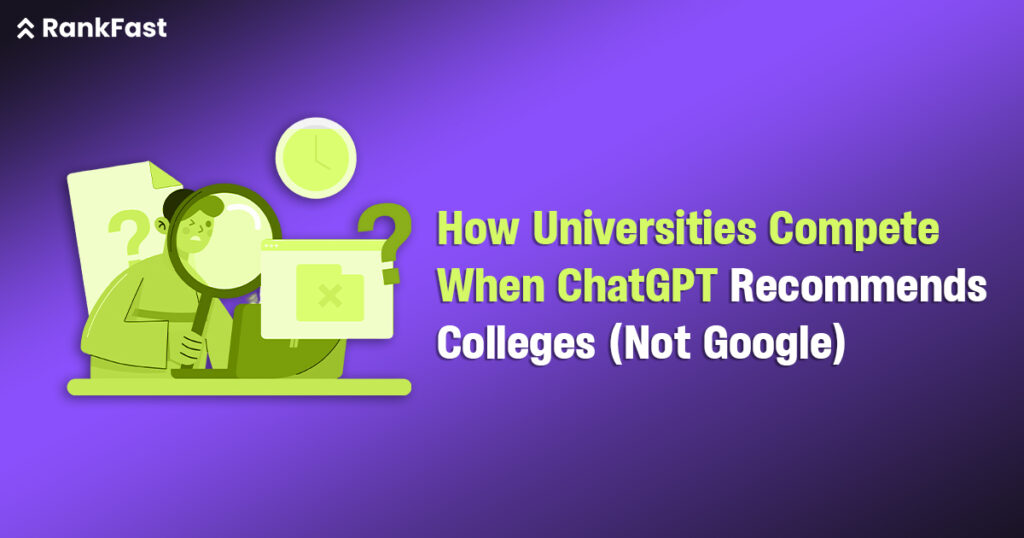
The traditional student recruitment funnel hasn’t just leaked; it has been completely replumbed. For decades, the journey was linear: a student typed “best engineering programs” into Google, browsed a few .edu websites, and filled out an inquiry form. But in 2026, the game has changed. Today, students are asking ChatGPT, Google Gemini, and Perplexity to “find me a liberal arts college in the Pacific Northwest with a strong environmental science program and an inclusive campus culture.”
When an AI responds, it doesn’t offer a list of ten blue links. It provides a definitive recommendation. It synthesizes data from across the web to provide a curated shortlist. If your institution isn’t on that list, you aren’t just ranking low, you are digitally invisible.
As a specialized higher education seo agency, Rankfast has analyzed the data: over 71% of university pages are failing to gain visibility in AI-generated search results. This “visibility gap” is the single greatest threat to modern enrollment numbers. This guide explores how universities can reclaim their digital authority in an era where AI assistants, not search engines, are the primary gatekeepers of information.
The Great Disruption: Why “Search” is Being Replaced by “Advice”
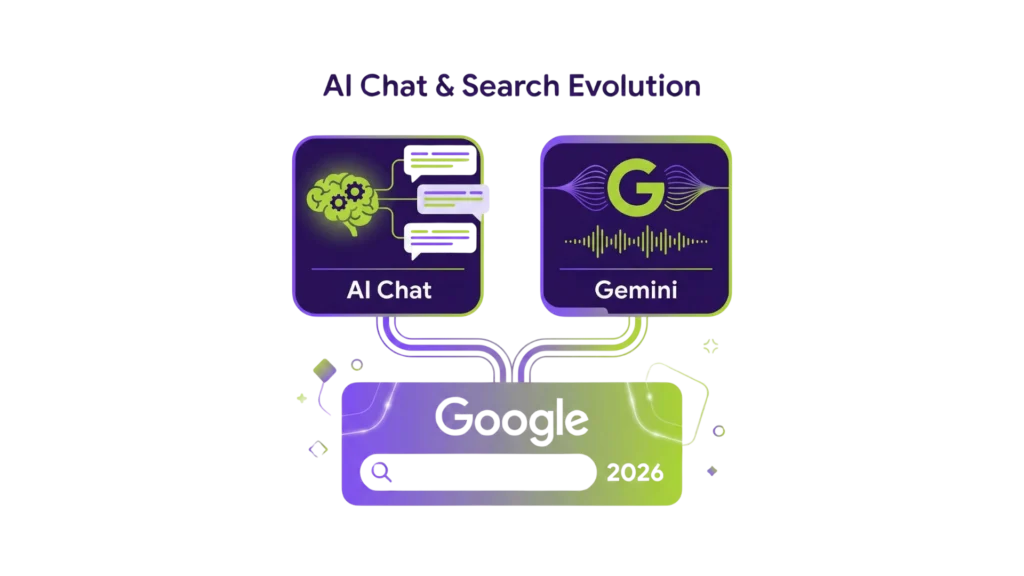
The fundamental shift in student behavior is moving from discovery (Google) to consultation (ChatGPT). When a student uses Google, they are looking for information. When they use ChatGPT, they are looking for a decision.
The Problem with Traditional Search in 2026
Traditional search engines are becoming “cluttered.” Ads, sponsored content, and generic SEO pages make it difficult for students to find authentic answers. In contrast, AI tools offer a “clean” experience. They filter out the noise and provide a direct answer. This is why a seo agency for education must pivot from “ranking for keywords” to “winning the recommendation.”
The “Zero-Click” Enrollment Threat
Data shows that nearly 79% of students read an AI summary before ever clicking a link. If your university is mentioned in that summary, your brand awareness spikes. If it isn’t, you effectively don’t exist for that prospect. To compete, an education seo company must ensure that your institutional data is “ingested” by these AI models as the ultimate authority.
How AI “Decides” Which Colleges to Recommend
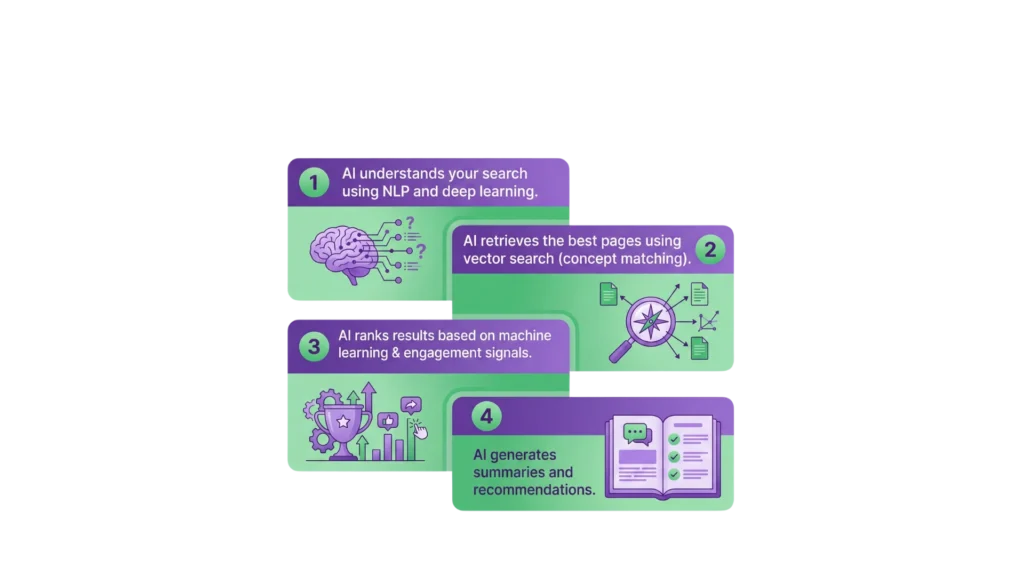
Unlike Google, which uses an algorithm to rank links based on backlinks and keywords, ChatGPT and Gemini use Probabilistic Weighting. They recommend the colleges that appear most frequently as “the best” in their training data and real-time web scrapes.
The Role of Training Data
AI models are trained on massive datasets including Wikipedia, academic journals, news sites, and Reddit. If your university’s name isn’t consistently associated with high-quality programs in these “trusted” sources, the AI will never recommend you. A best seo agency for higher education focuses on Digital PR and off-page mentions to ensure your school is part of the “Common Crawl” dataset.
Semantic Association: The New Keyword
AI understands “entities.” It knows that “MIT” is associated with “Engineering.” To compete, your institution must build strong semantic associations. If a student asks for a “socially active business school,” the AI looks for clusters of content that link your business school to “social activities,” “networking,” and “student life.”
The “Technical Debt” Holding Universities Back
Large .edu websites are notoriously difficult to maintain. Decades of content, fragmented subdomains, and “broken” site architecture create what we call Technical Debt.
Subdomain Fragmentation vs. Authority Consolidation
Many schools have their blog on one subdomain (blog.university.edu), admissions on another (admissions.university.edu), and programs on a third. Search engines—and especially AI bots—struggle to connect these dots. A higher education seo agency often recommends consolidating these into a single domain structure to pool authority.
The PDF Information Grave
Universities love locking tuition data and course catalogs in PDFs. AI models hate PDFs. They are difficult to “read” semantically. If your critical recruitment data is in a PDF, ChatGPT will likely skip it and find a competitor whose data is in a structured HTML table. Converting these “dead” files into “live” web content is a core mission for an education seo company.
Generative Engine Optimization (GEO): The 2026 Framework
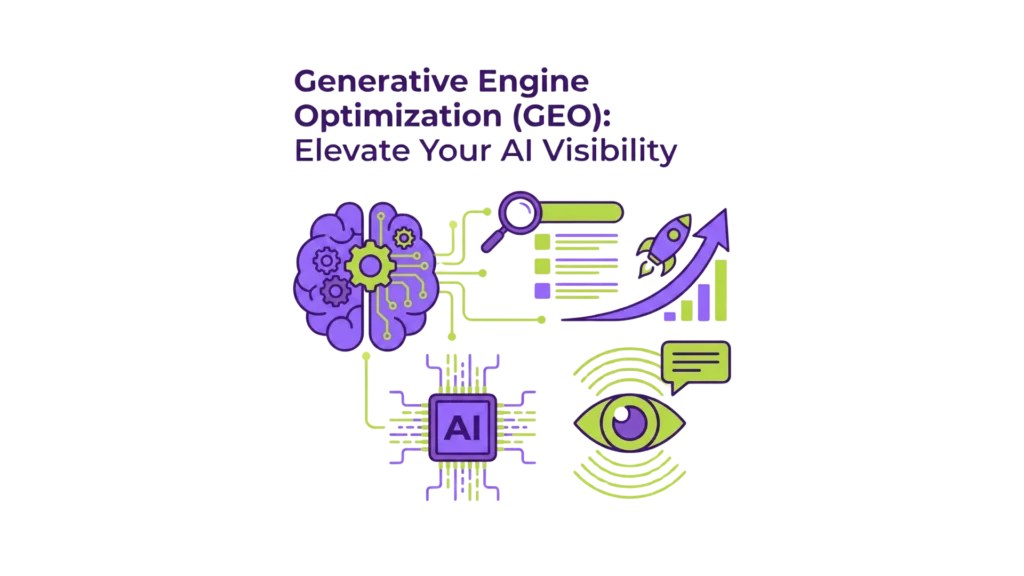
To compete when ChatGPT is the decision-maker, universities need GEO. This isn’t just SEO with a new name; it’s a fundamental change in how content is coded.
Structured Data and Schema Injection
AI models use LD+JSON Schema to verify facts. We implement:
- Course Schema: Telling the AI exactly what is taught, the cost, and the duration.
- EducationalOrganization Schema: Validating your physical location, faculty credentials, and accreditation.
- FAQ Schema: Providing direct answers to the questions AI models are most likely to ask.
Semantic Entity Mapping
A top seo agency for higher education maps out the “entities” your university wants to own. If you want to be the “Top Fashion School in New York,” we don’t just write that phrase. We build a network of content linking your faculty to the NY fashion industry, your alumni to major brands, and your campus to local fashion events.
The Difference Between Generic SEO and Higher Education SEO
Most SEO agencies approach universities the same way they approach e-commerce brands or local businesses. They focus on keyword density, backlinks, and ranking positions. While these tactics still matter, they are insufficient in isolation for higher education.
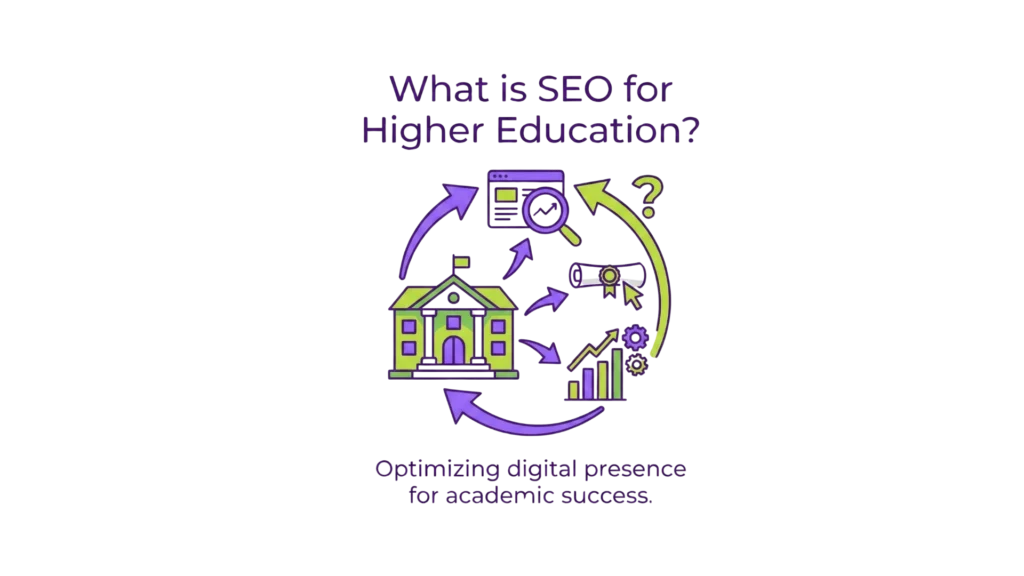
Universities operate in a trust-driven market. Students are not buying a product; they are committing years of their lives and significant financial resources. AI systems mirror this caution. They are more selective when recommending educational institutions than when suggesting restaurants or software tools.
This is why universities need a best SEO agency for higher education, not a generalist. Education SEO requires an understanding of admission cycles, international student behavior, accreditation language, and the emotional weight of decision-making. Content must demonstrate authority without sounding promotional, and optimization must enhance credibility rather than manipulate algorithms.
The “E-E-A-T” Factor: Why Faculty are Your Best SEO Asset
In the world of AI, trust is the most valuable currency. Google and AI platforms look for Experience, Expertise, Authoritativeness, and Trustworthiness.
Faculty as “Authority Signals”
AI search engines look for experts. When your professors publish research or are quoted in the news, the AI associates that expertise with your university. A specialized seo agency for education creates robust “Faculty Profiles” that act as anchor points for the AI’s trust graph.
The Wikipedia and Knowledge Graph Gap
AI models rely heavily on Wikipedia and the Google Knowledge Graph. If your university’s Wikipedia page is outdated or lacks citations, your AI recommendation score will plummet. We help ensure your institutional achievements are documented in the “sources” that AI models trust most.
Winning the “Local” AI Recommendation
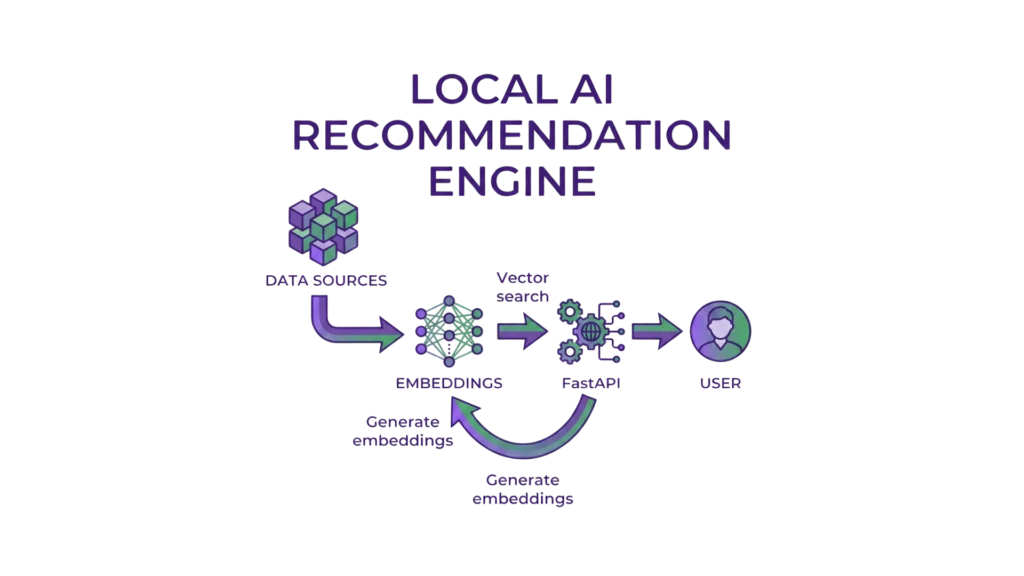
“Colleges near me” is one of the fastest-growing search trends. When a student asks ChatGPT for a local option, the AI pulls from Local Signals.
Hyper-Optimized Google Business Profiles (GBP)
Your GBP is a data feed for AI. A higher education seo agency ensures that:
- Department-Specific Profiles: Your Medical School and Law School have their own verified profiles.
- Keyword-Rich Reviews: AI reads reviews. We help you build a strategy where students naturally mention program names in their positive feedback.
- Location-Specific Content: Every campus needs a landing page that mentions local landmarks, transit, and community partnerships.
Predictive Search: Anticipating Student Intent
By the time a student types a query, the AI has already predicted what they want based on their previous behavior.
Topic Clusters and Intent Mapping
We don’t wait for a student to search for a degree. We create content that answers their earlier questions.
- Phase 1 (Curiosity): “Careers in sustainable energy.”
- Phase 2 (Investigation): “Best degrees for climate tech.”
- Phase 3 (Decision): “University of X vs. University of Y.” By owning Phase 1 and 2, your institution becomes the “logical” recommendation for Phase 3.
Measuring Success: New Metrics for a New Era
If your agency is only reporting on “Page 1 Rankings,” they are missing the point. In the age of ChatGPT, we track:
- AI Mention Rate: How often your school appears in AI summaries for non-brand queries.
- Citation Accuracy: Is the AI reporting your tuition and deadlines correctly?
- Sentiment Analysis: Is the AI recommending you with a positive or neutral tone?
- Share of Search: Your brand’s visibility compared to competitors in AI-generated overviews.
The Commercial Value of Being Recommended by AI
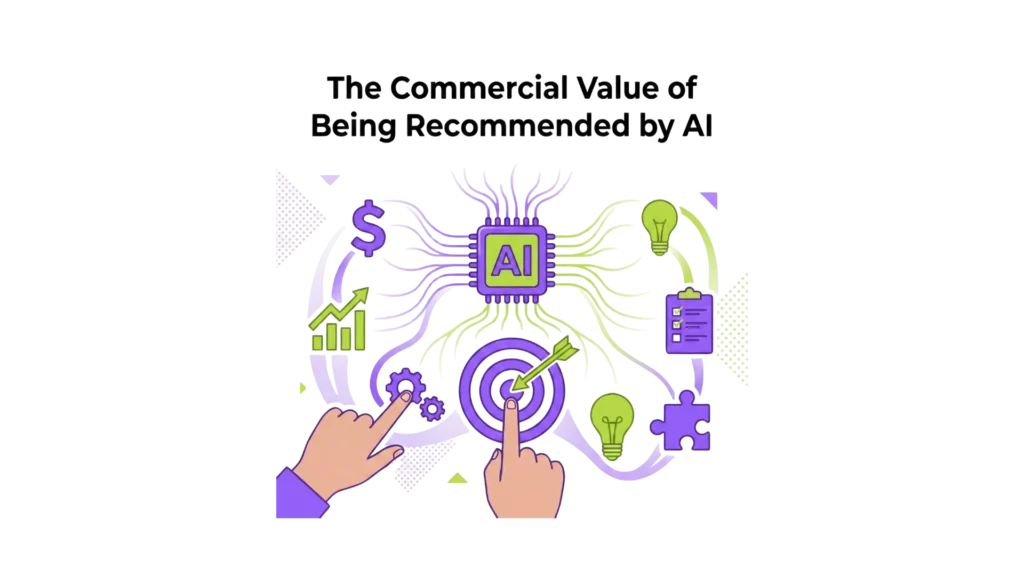
Being recommended by ChatGPT carries a different kind of authority than ranking on a search engine. Students perceive AI suggestions as neutral, researched, and personalized. This perception significantly influences trust.
Universities that appear in AI recommendations often see higher-quality inquiries. These students arrive with clearer expectations, stronger intent, and a higher likelihood of applying. This reduces marketing waste and improves enrollment efficiency.
From a commercial standpoint, investing in AI-aligned SEO delivers long-term value. Unlike paid ads, which stop working when budgets pause, AI visibility compounds over time. Once a university is established as a credible reference point, it continues to benefit from recommendations across countless student conversations.
This is why partnering with a specialized education SEO company is not just a marketing decision. It is a revenue protection strategy.
Common Pitfalls: Why Universities Fail to Adapt
Many institutions fall into the 71% of “invisible” pages because of three common mistakes:
1. The “Marketing Fluff” Problem
AI models want facts, data, and outcomes. If your program pages are full of generic phrases like “World-class education” without supporting data, the AI will find them “low value” and ignore them.
2. Lack of Internal Linking
If your high-value program pages are buried five clicks deep, the AI bots will never find them. A best seo agency for higher education restructures your site architecture to ensure every program is an “Authority Hub.”
3. Ignoring Off-Page Signals
SEO doesn’t just happen on your website. If your university isn’t being talked about on high-authority academic and news sites, the AI won’t see you as a leader.
Why Rankfast is the Best SEO Agency for Higher Education
Rankfast isn’t a generalist marketing firm. We are a data-driven higher education seo agency that lives at the intersection of search technology and academic recruitment.
Our Strategy for Your Institution:
- The AI Audit: Identifying exactly where your current site is invisible to LLMs.
- Technical Debt Consolidation: Cleaning up legacy code and subdomains.
- Entity-Based Content Creation: Building the topical authority that AI assistants trust.
- Continuous Performance Loop: Monitoring AI algorithm shifts daily to keep your institution recommended.
Conclusion: The Future belongs to the Recommended
The era of students digging through ten blue links is over. We are now in the age of the AI Recommendation. To compete, universities must stop thinking about “ranking” and start thinking about “authority.”
By partnering with a specialized higher education seo agency like Rankfast, you can ensure that when a student asks ChatGPT for their future, the answer is your institution.
Don’t let your programs stay invisible. Get a Free AI Visibility Audit from Rankfast Today.
FAQs
Is traditional SEO still important for universities?
Yes, but it is now the foundation, not the entire house. Traditional SEO helps you rank in Google, while GEO (Generative Engine Optimization) helps you get recommended by AI. A seo agency for higher education manages both.
How do we fix inaccurate information ChatGPT is giving about our school?
AI "learns" from the web. By correcting the data on your website, Wikipedia, and major directories, and ensuring proper Schema Markup, you provide the AI with the "correct" facts to ingest during its next crawl.
What is the biggest technical hurdle for university SEO?
Technical Debt. Sprawling subdomains, thousands of legacy PDFs, and slow load speeds prevent AI bots from identifying your most important recruitment pages.
Can a specialized higher education seo agency help with enrollment directly?
Yes. By capturing high-intent students during their "Advice" phase (ChatGPT) and "Discovery" phase (Google), we drive qualified leads that have a much higher likelihood of converting into applications.
How does E-E-A-T impact my university's visibility?
Google and AI models treat education as a high-stakes topic. They will only recommend sites that prove Expertise and Authoritativeness. This is achieved through faculty profiles, research citations, and institutional accreditation.
Does voice search use the same data as ChatGPT?
Mostly, yes. Siri, Alexa, and Google Assistant are increasingly using the same LLM-based models to provide synthesized voice answers to student questions.
How long does it take to see results from an AI-focused SEO strategy?
Technical fixes can show impact in 30-60 days. Building the "Topical Authority" needed to be a primary AI recommendation typically takes 6-12 months.
What is the role of backlinks in the AI era?
Backlinks are still vital, but their role has shifted. Instead of just "ranking signals," they are now "Trust Signals." A link from a major academic journal tells the AI that your content is a verified source of truth.
Why should we choose Rankfast over a general marketing agency?
General agencies use one-size-fits-all tactics. Rankfast is a specialized education seo company that understands the unique technical architecture of .edu sites and the long-tail intent of prospective students.