The numbers tell an interesting story – organic search leads close at 14.6%, while outbound leads only convert at 1.7%. These statistics show why your organization’s bottom line depends on enterprise SEO governance.
Managing websites with millions of URLs can quickly become overwhelming. Large brands risk losing their search visibility without a solid enterprise SEO strategy in place. SEO directly affects business outcomes for enterprise organizations through lower customer acquisition costs, better pipeline quality, and steady revenue growth. Your organization can turn this complexity into a competitive edge by working with an enterprise SEO agency to set up a complete SEO governance framework.
Enterprise workflow automation and specialized enterprise SEO optimization services help create systems that grow with your organization. Here, we will show you how to create a working enterprise SEO governance system that lines up with your business goals. The right approach streamlines processes and delivers measurable results. These strategies will help you get the most from organic search, whether you manage enterprise SEO in-house or work with specialists.
Understanding SEO Governance for Enterprise Companies
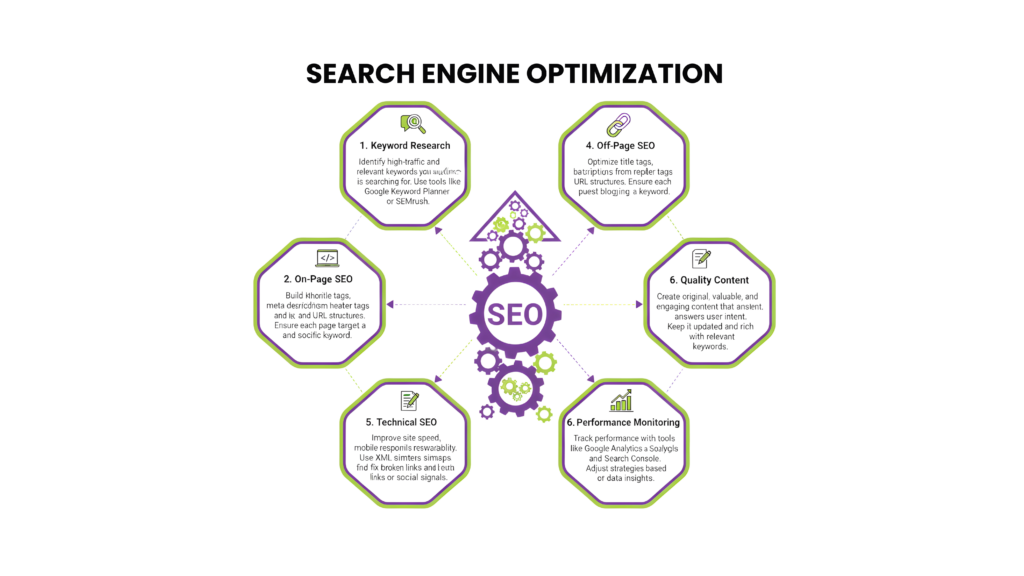
Enterprise SEO governance forms the foundation of search optimization success for large organizations. Your enterprise needs systematic organization and control of SEO activities. This approach maintains consistency across multiple departments, websites, and markets. Let’s look at the basic elements of this vital framework.
What Is An SEO Governance System?
SEO governance organizes and controls all SEO activities in your company. Your enterprise SEO stays stable over time through operational guardrails. The system defines ownership of decisions, approval of changes, and rules that guide site-wide SEO behavior.
A well-laid-out governance system has:
- Clear documentation for canonicalization, indexation, and redirect logic
- Standardized schema usage across all properties
- International standards
- Defined performance requirements
- Automated checkers to monitor compliance
This framework stops well-designed systems from breaking when teams make decisions on their own. Once you set up governance, SEO becomes consistent across teams and initiatives.
Why Enterprise SEO Needs A Governance Framework
Large companies have much more at stake. The best SEO strategies can fail without proper governance due to slow execution, conflicting priorities, or lack of buy-in. Organizations of all sizes face unique challenges that make governance vital:
Your enterprise SEO links directly to business outcomes – including lower customer acquisition cost, higher pipeline quality, and lasting revenue growth. These business effects need structured oversight.
Enterprise websites face complex technical challenges like managing international SEO, mobile device optimization, and website security. Technical aspects might not get consistent treatment across your organization without governance.
Quick execution depends on clear decision rights and sponsorship. An executive owner removes blockers, and documented SLAs between Engineering and SEO create a predictable deployment schedule.
Key Differences From Traditional SEO Processes
Traditional SEO is different from enterprise SEO in several ways:
Scale and complexity: Enterprise SEO runs on websites with millions of pages and thousands of competitive keywords. This massive scale needs special approaches to server performance, internationalization, and complex technical structures.
Organizational structure: Traditional SEO usually involves direct communication with business owners or small marketing teams who make centralized decisions. Enterprise SEO must work with multiple stakeholders across marketing, IT, legal, product development, and content creation.
Implementation timelines: Enterprise-level SEO changes follow strict IT timelines. Simple meta updates or redirects might get delayed by multi-week sprint cycles. Change requests need detailed documentation with impact assessments, QA protocols, and rollback plans.
Approval processes: Enterprise approvals often involve cutting through red tape and meeting multiple viewpoints that value different SEO aspects. This layered approval system makes implementation take longer than in traditional SEO settings.
A resilient governance framework turns your enterprise SEO’s complexity into a strategic advantage.
Building the Right SEO Governance Framework
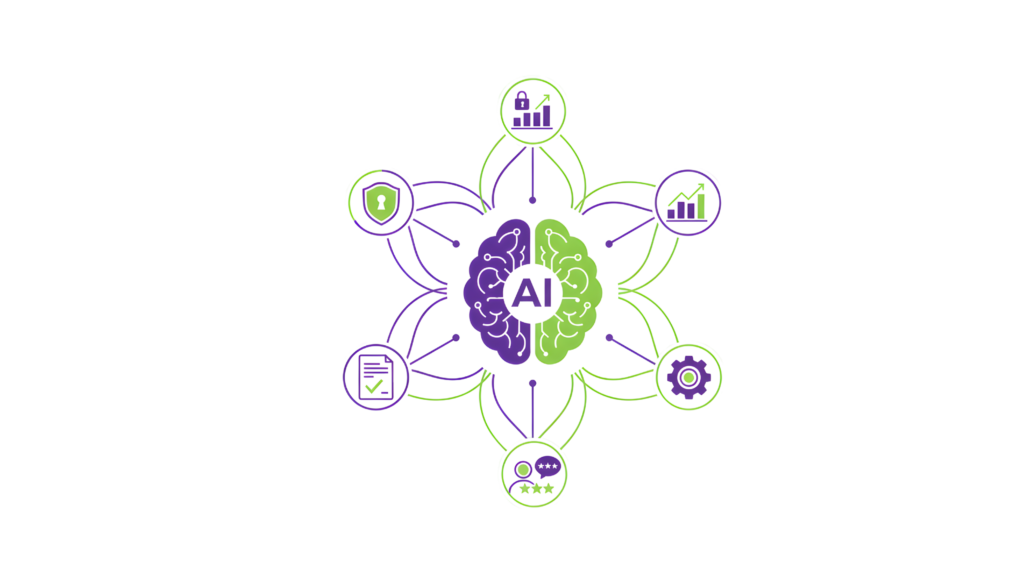
Creating a robust enterprise SEO governance framework needs proper planning and systematic implementation. Your success depends on team coordination and clear protocols that scale SEO efforts.
Define Roles And Responsibilities Across Teams
Clear roles prevent chaos when multiple people take charge of the same task or miss critical areas. Start by mapping out a RACI (Responsible, Accountable, Consulted, Informed) matrix. This should cover Marketing, SEO, Product, and DevOps teams to make decision rights clear.
This core organizational structure works well:
- SEO Director/Head: Owns strategy, budget, executive communication, and roadmap development
- Technical SEO Manager: Oversees site architecture, crawlability, and technical implementation
- Content SEO Manager: Directs content strategy, keyword research, and optimization
- Analytics Specialist: Manages measurement, reporting, and performance insights
- SEO Project Manager: Coordinates workflows, timelines, and cross-functional initiatives
Large organizations should set up an SEO Center of Excellence (CoE). This centralized, cross-functional team sets enterprise-wide SEO standards and oversees compliance. The approach provides central leadership with SEO champions embedded in various departments for tactical execution.
Create Standardized SEO Workflows
Good operations turn strategy into results. Use a two-track agile model for enterprise workflow automation. One track handles fast, low-risk changes like metadata fixes and content refreshes. The other manages larger site architecture or template initiatives. This keeps momentum going while protecting stability.
Map your typical project delivery process:
- Standard task sequences
- Data sources for each task
- Required tools and access points
- Sprint rhythms that deliver quick wins weekly and roadmap items quarterly
Your workflows should list all stakeholders, their responsibilities, and completion timelines. This prevents projects from getting stuck when actions fall outside your control.
Set Up Approval And Change Control Processes
Every SEO governance framework needs formal change control. Any website change that could affect SEO needs review and approval.
These control elements are essential:
- Add SEO requirements as “user stories” in project briefs
- Let SEO specialists access staging environments for QA checks before releases
- Use a mandatory pre-launch checklist for all deployments
- Monitor key metrics right after launch to catch unexpected issues
Document impact assessments, QA protocols, and rollback plans before implementation. Big enterprises need approval from legal, compliance, brand, and IT teams – even for technical changes.
Establish Documentation And Training Protocols
Everyone needs to follow the same processes. This takes quality training and detailed documentation. Your internal training should stay consistent yet flexible enough for different skill levels.
Documentation can live in several places:
- Knowledge base in Monday.com or ClickUp
- Employee intranet or internal website
- Shared folder in Google Docs
- SEO playbook with standard operating procedures
Build a culture where teams document new processes as they create them. Give targeted SEO training to different groups. Content creators learn on-page optimization, developers focus on technical best practices, and product managers see how SEO fits into roadmaps.
An enterprise SEO agency can help set up these governance systems. They bring standardized templates and best practices from working with similar organizations.
Integrating Governance with Enterprise SEO Optimization Services
Enterprise SEO governance must merge naturally with your business operations to deliver measurable results. Industry experts say this integration makes the difference between successful enterprise SEO programs and those that fail to show value.
Link SEO Goals To Business KPIs
Rankings and traffic metrics alone won’t convince executives of SEO’s value. A survey by Moz showed that businesses track SERP rankings and organic traffic, but many fail to connect these numbers to revenue. Your enterprise SEO governance needs to speak the language of business to succeed.
Here’s how to link your SEO with business goals:
- Know your leadership’s top priorities—revenue growth, lead quality, or market expansion
- Set KPIs that show how SEO drives these objectives
- Build dashboards that highlight SEO’s contribution to business success
This strategy will give your enterprise SEO optimization services an impact beyond surface-level metrics. SEO experts warn that “Metrics that don’t directly tie into revenue or growth can fail to gain the executive support needed to sustain long-term strategies”.
Use Enterprise Workflow Automation To Stay Consistent
SEO management in big digital ecosystems needs systematic processes. Enterprise workflow automation cuts out manual tasks that cause errors and slowdowns.
Automation brings these vital benefits:
- Better oversight: Immediate dashboards show content production progress clearly
- Quick execution: Automated workflows speed up team handoffs and market delivery
- Higher quality: Standard processes keep all properties and regions consistent
Large organizations with complex digital systems can’t skip automation—it forms the foundation of efficient scaling. Your enterprise SEO agency should help set up these automated workflows to keep performance steady across regions and departments.
Follow Global SEO Standards
Global expansion makes SEO compliance more challenging. A resilient SEO governance framework must handle different search behaviors, legal rules, and technical needs across regions.
A central governance system with local execution works best:
- Use the same technical specs (schema markup, canonical tags) everywhere
- Give regional teams clear guides for URLs, hreflang tags, and geotargeting
- Run regular compliance checks to spot and fix regional differences
“By centralizing oversight of technical standards, content governance, and keyword alignment, you enable local teams to optimize independently while maintaining a unified global strategy.
Smart integration of governance principles with your enterprise SEO optimization services creates a system that grows well and drives lasting search success.
Executing SEO at Scale With Governance In Place
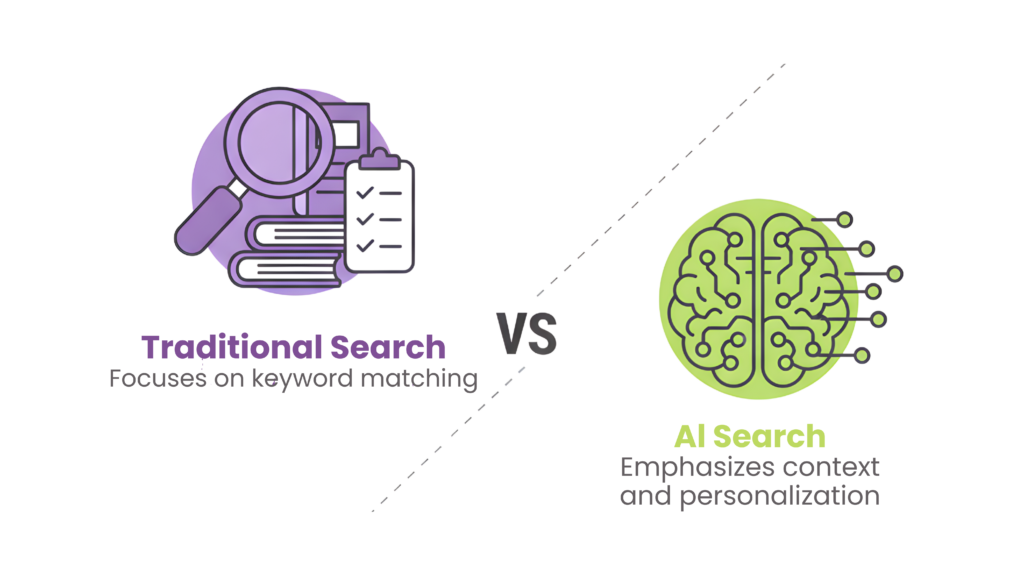
Your next critical focus should be implementing execution strategies at scale once your enterprise SEO governance structure is in place. The right systems will let you optimize SEO throughout your digital world.
Automate Internal Linking And Metadata Updates
Internal links are crucial for site architecture, yet 25% of web pages have no incoming internal links, which makes them nowhere near as visible as they should be. Strategic flow of link equity to high-value pages becomes possible when you use automated internal linking tools, and this saves countless hours of manual work.
AI-powered linking tools look at your content’s context, keyword relevance, and page authority to create optimal connections. Companies using advanced automation have seen impressive results – a 60% increase in page views per visit and 21% more keywords ranking on page one.
The CI/CD pipeline should handle metadata updates to turn governance from reactive cleanup into preventive maintenance. This approach will give a consistent experience across thousands of pages while you retain control of your brand voice.
Manage Content Refresh Cycles And Consolidation
Content that performs well needs refreshing every 6-12 months, while timely pieces might just need monthly updates. Automated content lifecycle management helps maintain relevance and stops rankings from declining.
Your refresh strategy should focus on:
- Looking at traffic trends and engagement metrics to spot declining performance
- Updating old statistics, links, and information
- Making thin content stronger to build topical authority
This method prevents content from becoming stale and gets the most value from your existing assets.
Monitor Crawl Budget And Indexation Health
Websites with millions of pages must manage their crawl budget well. A crawl budget has two parts: crawl capacity limit and crawl demand. Google might waste resources on low-value pages and miss your important content without proper management.
These monitoring practices work best:
- Regular checks of Google Search Console for coverage issues and crawl stats
- Server log analysis to find excessive bot requests
- Using the right status codes (503 or 429) when servers get overloaded
Note that you should measure crawl efficiency by comparing valuable pages crawled to total pages crawled—trying to get close to a 1:1 ratio for important content.
Implement Structured Data And Schema At The Template Level
The template level is the best place to implement schema markup across all critical templates instead of doing it page by page. This makes everything consistent and takes much less time to implement.
Structured data has helped many companies:
- Rotten Tomatoes got 25% higher click-through rates with structured data
- Food Network saw visits go up by 35% after adding schema
- Rakuten found that users spent 1.5x more time on pages with structured data
Complex enterprise environments benefit from dynamic schema generation that pulls information straight from page elements to automatically apply schema on similar pages. This keeps structured data accurate without constant manual checks.
Tracking Performance and Reporting ROI
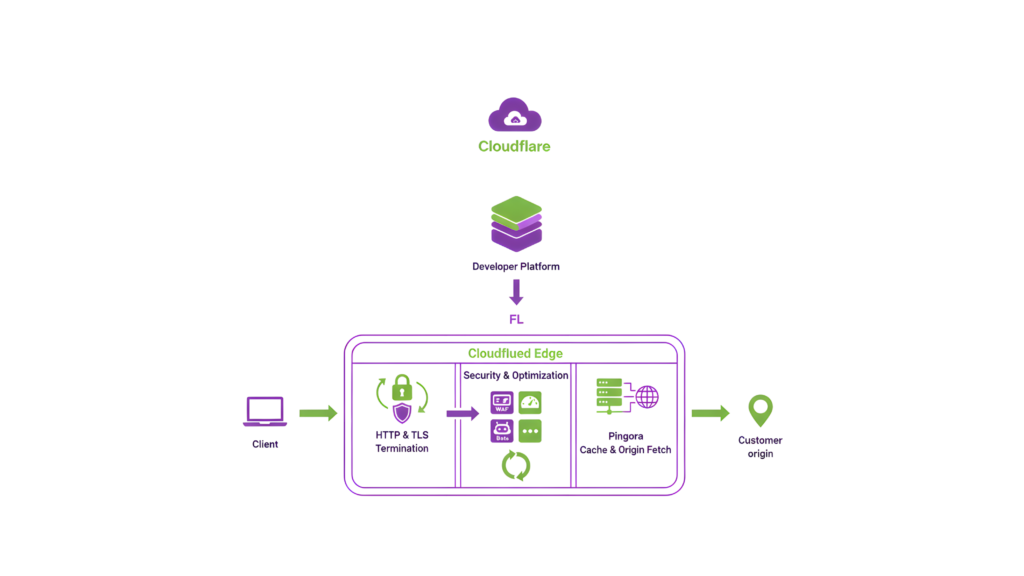
Your success in enterprise SEO governance depends on knowing how to measure performance and show value. You need to track the right metrics to show ROI and shape future strategy after implementing your framework.
Set Up Dashboards For SEO KPIs
Each stakeholder needs a different view of your SEO performance. You should create custom dashboards that fit specific audience needs:
- Executive dashboards: High-level business metrics like organic revenue, cost per lead, and market share
- Marketing dashboards: Granular data including organic traffic, conversions, keyword rankings, and content engagement metrics
- IT/DevOps dashboards: Technical SEO health indicators such as audit scores, Core Web Vitals, page speed, and crawl stats
Tools like Looker Studio or Tableau can automatically pull data from Google Analytics, Search Console, and other platforms. This automation saves time and lets you create custom reporting views.
Connect SEO Metrics To Revenue And Pipeline
You need to show true business effects beyond basic metrics. Your SEO performance should link directly to financial results through:
- Revenue influenced by organic traffic
- Pipeline generated from SEO-attributed leads
- Conversion rates by landing page type
- Customer acquisition cost (CAC) for organic channel
- Lifetime value (LTV) for organic customers
Attribution modeling helps connect SEO touchpoints to closed revenue and shows how organic visibility creates deals. This approach proves that SEO is a growth channel rather than just a cost.
Use Alerts To Catch Regressions Early
Small issues can turn into big problems without proper monitoring. Your team should get automated alerts about:
- Major drops in organic performance
- Technical SEO issues that hurt rankings
- Core Web Vitals getting worse
- Crawlability or indexation problems
These alerts should match your business goals and performance targets. On top of that, it helps to set clear performance limits for new features and flag content that drops below targets.
Report To Stakeholders With Clarity And Context
Good reports tell a story beyond just showing data. Your reports should follow these principles:
- Start with what matters most: Lead with the main goals and metrics your stakeholders care about
- Keep it focused: Use bullet points and visuals instead of long explanations
- Provide context: Explain data patterns, highlight wins, and suggest next steps
- Segment appropriately: Split reports into performance overview, key business metrics, challenges, and next steps
Regular business reviews help you check performance, align with business goals, and adjust roadmaps. Note that non-SEO stakeholders care about results more than activities—they want to see how SEO helps achieve business goals.
Conclusion
Strategic advantage comes from enterprise SEO governance that simplifies organizational complexity. This piece shows how proper governance structures line up technical implementation with business goals and measurable outcomes. Your SEO initiatives now have clear pathways that remove previous bottlenecks.
Enterprise SEO needs more than technical expertise. The frameworks you build today will support your organic growth in the coming years. Clear roles, simplified processes, and robust approval systems enable teams to contribute to SEO success without creating chaos.
Your program’s value depends on connecting SEO metrics directly to revenue. Executives become champions for continued investment once they see organic search driving business outcomes—lower acquisition costs, higher quality leads, and increased revenue.
A well-designed SEO governance system creates exceptional long-term value. These governance frameworks will grow with your business and keep SEO as a steady driver of organic growth.
Want to build an enterprise-level SEO governance system for your organization? RankFast’s team creates custom SEO frameworks that match your business goals and organizational structure. Visit RankFast today to see how their PPC for ecommerce and enterprise SEO services can help you build sustainable organic growth.
FAQs
Q1. What is an SEO governance system for enterprise companies?
An SEO governance system is a framework that organizes and controls all SEO activities within a large organization. It establishes clear roles, standardized workflows, and approval processes to ensure consistency and effectiveness of SEO efforts across multiple departments, websites, and markets.
Q2. How does enterprise SEO differ from traditional SEO?
Enterprise SEO operates on a much larger scale, dealing with millions of pages and thousands of keywords. It involves navigating complex organizational structures, longer implementation timelines, and multi-layered approval processes. Enterprise SEO also requires specialized approaches to server performance, internationalization, and technical structures.
Q3. What are the key components of an effective SEO governance framework?
An effective SEO governance framework includes clearly defined roles and responsibilities, standardized SEO workflows, robust approval and change control processes, and comprehensive documentation and training protocols. It also integrates SEO goals with business KPIs and ensures compliance with global SEO standards.
Q4. How can automation benefit enterprise SEO efforts?
Automation in enterprise SEO can significantly improve efficiency and consistency. It can be used for internal linking, metadata updates, content refresh cycles, and structured data implementation. Automated processes reduce manual errors, save time, and allow teams to focus on strategic tasks rather than repetitive manual work.
Q5. How should enterprise SEO performance be measured and reported?
Enterprise SEO performance should be measured using customized dashboards that display relevant KPIs for different stakeholders. It’s crucial to connect SEO metrics directly to revenue and pipeline, use alerts to catch regressions early, and report to stakeholders with clarity and context. The focus should be on demonstrating how SEO contributes to overall business goals and financial outcomes.