You might be surprised to learn that AI is taking over what used to be prime search real estate – featured snippets. Featured snippets showed up in 18% of Google searches in January 2025. By August 2025, AI Overviews had replaced about 83% of them.
Most search queries now trigger enhanced search features that go way beyond simple blue links. This transformation brings both challenges and opportunities to businesses aiming for position zero. People still call featured snippets “position zero,” and they offer vital advantages. These include better click-through rates and more visibility. Research shows featured snippets grab around 8% of all clicks on search pages.
The digital world is changing faster than ever. AI Overviews have pushed zero-click searches up, and now 60% of queries don’t lead to website visits. On top of that, it has slashed clicks to publishers by more than 30%.
Google handles about 8.5 billion searches every day. You need to know how to optimize content for both featured snippets and AI Overviews to stay visible. Here’s something interesting – pages in first place have a 53% chance to show up in Google’s AI Overviews. But only 33.4% of AI Overview links make it to the top 10 organic results for any search.
Here, you will find proven ways to optimize your content for featured snippets AI while adapting to Google’s evolving AI search technology. Let’s look at how you can secure your SERP real estate and boost your visibility in both traditional snippets and AI-powered search results.
What Are Featured Snippets and AI Overviews?
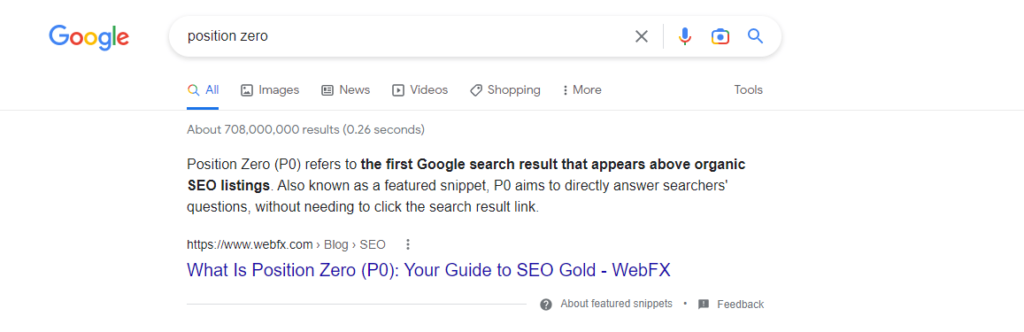
Featured snippets have completely changed how information shows up in Google search results. These special content blocks sit above the first organic result in “position zero,” unlike traditional blue links. They mark Google’s first big move toward answering queries right on the search results page.
How Google Displays Answers In Position Zero
Featured snippets are special search boxes that show information taken directly from a webpage. Google’s systems find pages suitable to feature for specific queries and place that content in the top spot.
These position-zero results show up in several formats:
- Paragraph snippets: Brief text excerpts (typically 40-60 words) that answer “what is” type questions
- List snippets: Both ordered (step-by-step) and unordered (non-sequential items) formats
- Table snippets: Structured data shown in rows and columns
- Multimedia snippets: Content with images or videos for visual queries
Google takes you straight to the relevant section of the page when you click a featured snippet. This automatic scrolling works without any special markup from website owners.
Featured snippets are now more common than ever. You’ll mostly see them for question-based queries and searches about definitions or step-by-step processes.
The Transformation From Blue Links To AI-Generated Summaries
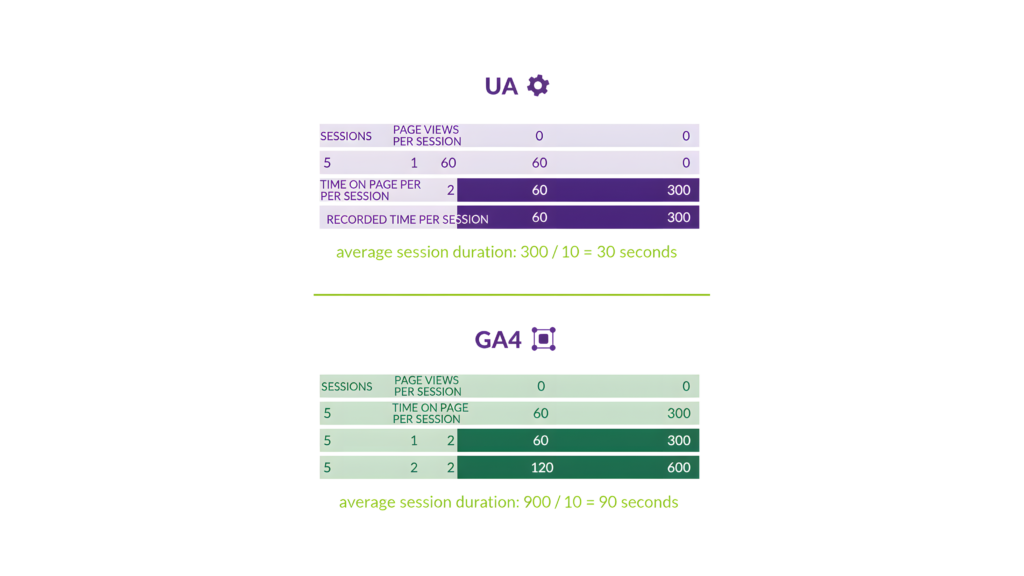
Google search used to show just ten organic results – the classic “ten blue links”. This format is changing faster with AI Overviews, Google’s biggest advancement in search results since featured snippets.
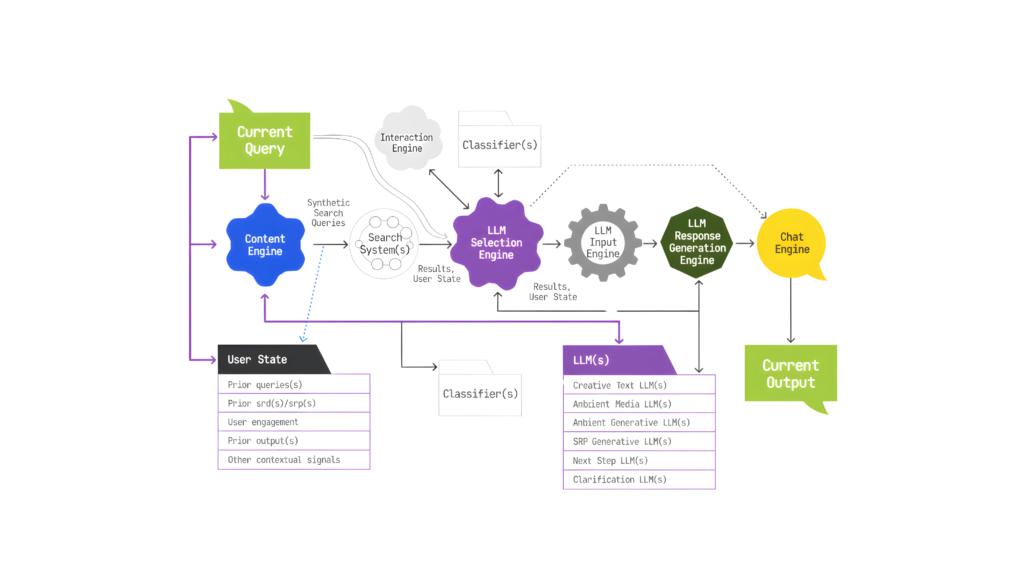
AI Overviews use Google’s Gemini AI to create detailed answers from multiple web sources, unlike featured snippets that pull content from one webpage. The system uses “query fan-out” to break down questions into subtopics and runs many searches at once.
This progress has altered the search results map:
- AI-generated summary boxes push traditional organic listings lower on the page
- Page one now shows fewer organic links, sometimes fewer than ten results
- Users get information directly from AI summaries, leading to a 30% drop in click-through rates over the last year
AI Overviews mark a turning point for search. They’ve become one of Google’s most successful features in the last decade, boosting search usage by 10% in major markets like the U.S. and India.
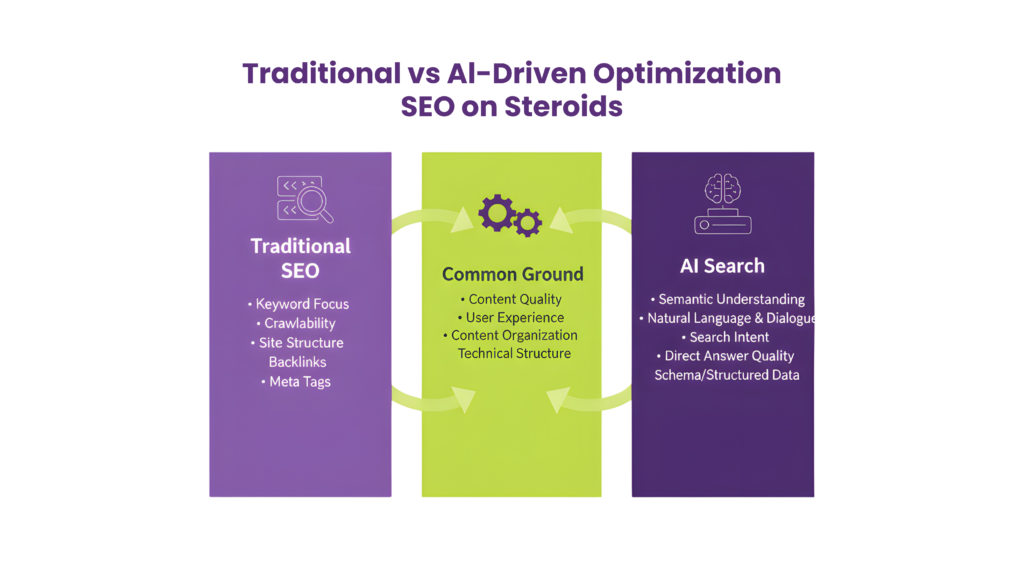
The main difference between these position-zero formats lies in their sources. Featured snippets show exact excerpts from web pages and credit one source. AI Overviews create new text by combining information from multiple websites to give more complete answers.
This move toward AI-combined answers affects search visibility significantly. Content in the top three organic positions might not appear in AI Overviews because Google’s selection criteria have completely changed.
Why Winning Featured Snippets Still Matters
Featured snippets still play a vital role in your digital visibility strategy, even as AI Overviews become more common. These position-zero placements offer great value to brands that want to stand out in complex search results.
SERP Real Estate And Brand Visibility
Featured snippets dominate prime SERP real estate that catches everyone’s eye. SEO experts call these highlighted information boxes “Position #0” because they show up above the traditional #1 spot. Your content becomes highly visible with this premium placement, especially on mobile screens where snippets can take up half the display or more.
Better visibility leads to more engagement. Search Engine Land reports that featured snippets receive about 8% of all clicks. This gives your organic click-through rate a boost without needing higher rankings. Some websites have seen amazing results – one SEO agency found that featured snippets got more than one-third of all clicks. Others experienced organic traffic increases of up to 516%.
Featured snippets help establish your brand as an authority. B2B companies find this especially valuable when they need to showcase their expertise. Your brand builds trust and recognition when Google displays it as the chosen answer, even if users don’t click through right away.
These snippets help you grab attention from your competitors. This advantage grows as Google’s interface changes, with search features now showing up in about 8.61% of searches without AI Overviews. Your SEO strategy should prioritize getting these prime positions.
Voice Search Answers And Zero-Click Searches
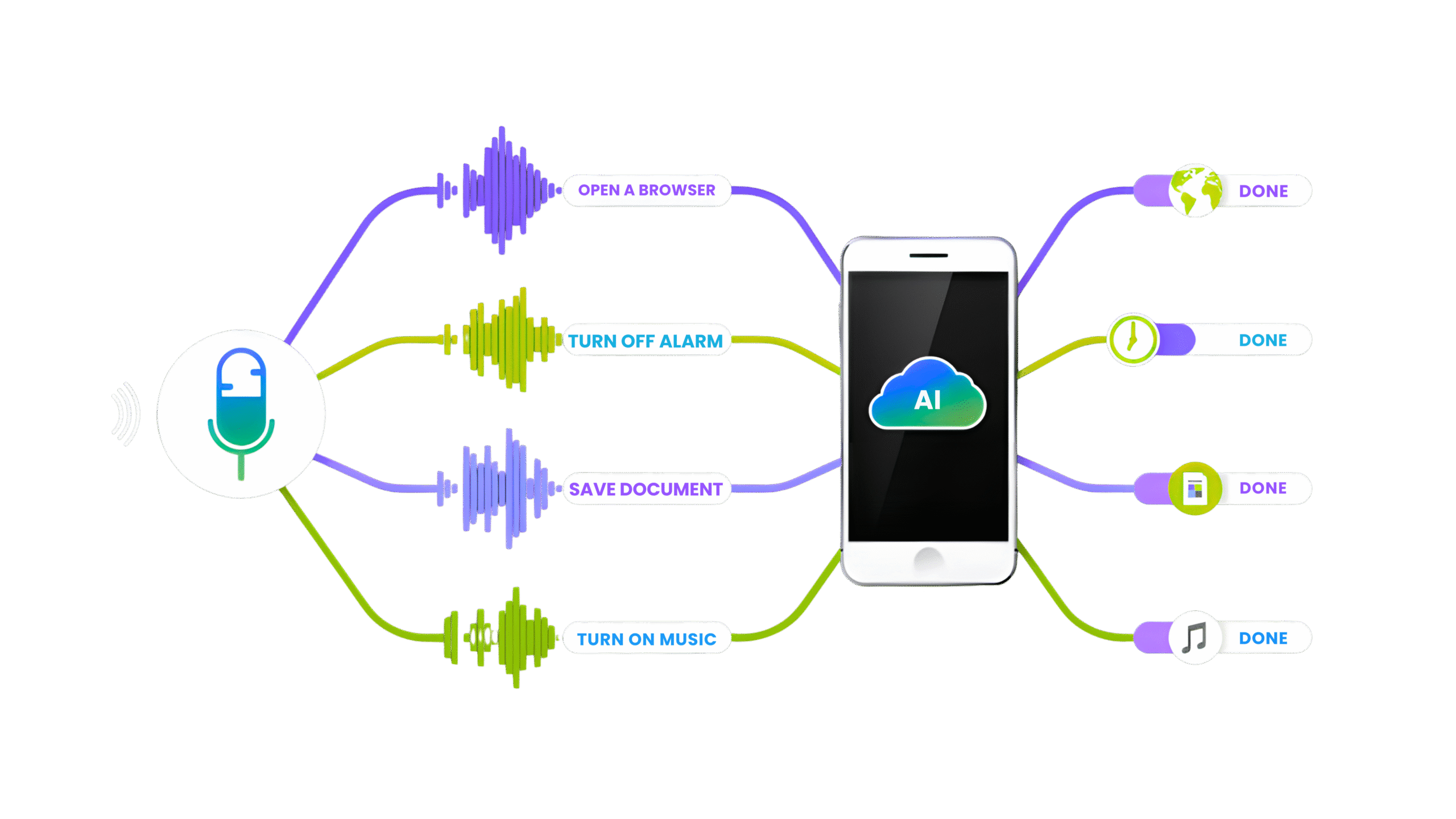
Voice search creates another compelling reason to aim for featured snippets. A groundbreaking Backlinko study revealed that 40.7% of Google voice search results came from featured snippets. Google has confirmed that featured snippets work particularly well “for those on mobile or searching by voice”.
Voice search keeps growing fast. Google’s SEO Sundar Pichai shared that voice searches make up 20% of all Google searches on mobile and Android devices. Featured snippets become essential as smart speakers and IoT devices become more common.
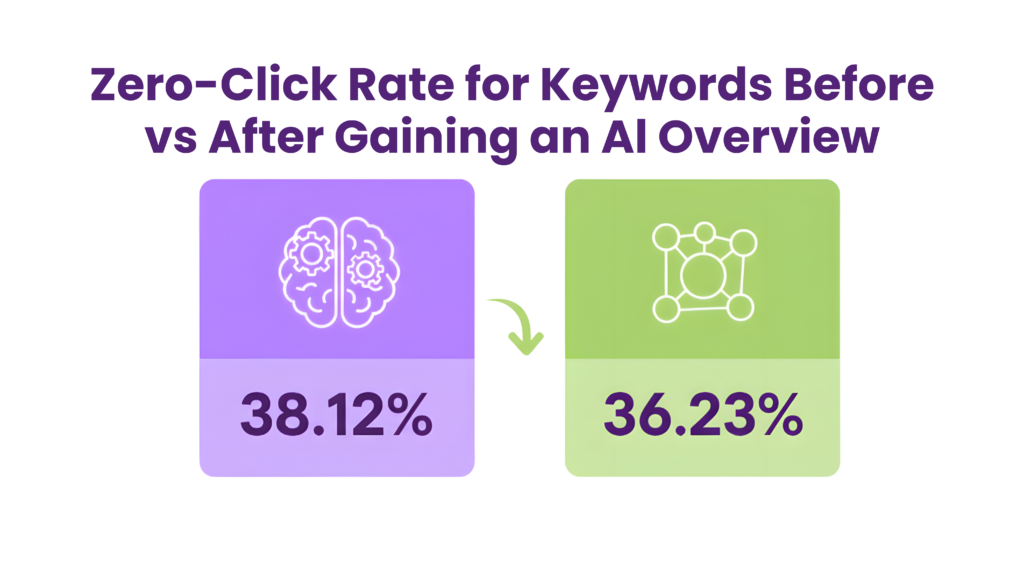
The growth of featured snippets has led to more “no-click searches”. Users often find their answers directly on the search results page without visiting websites. Zero-click searches now make up nearly 60% of Google searches. This trend creates both challenges and chances for your content strategy.
The zero-click search ecosystem includes:
- Featured snippets that give instant answers to user questions
- Knowledge panels that combine information about entities like people, places, or organizations
- Local packs that show business information for location-based searches
Zero-click searches offer excellent brand exposure benefits, even with fewer click-throughs. Siri and Alexa often use featured snippets as their information source. Your brand becomes the voice search answer when you appear in snippets, even if the assistant doesn’t mention you directly.
B2B organizations with a social-first approach can reach more people through voice channels. Research shows that mobile devices account for over 60% of zero-click searches. Nearly 50% of local searches lead to offline action within 24 hours.
Your strategy should go beyond getting website clicks. Featured snippets help you build authority, boost brand awareness, and position your content as the go-to answer in your industry. This exposure works through traditional search, voice responses, or AI-enhanced results.
How AI Overviews Work Differently from Google Snippets
Google’s search results have changed dramatically with AI Overviews. These new AI-powered results work differently from traditional featured snippets that we’ve seen in search results over the last several years. This fundamental change affects how your content appears and reaches users.
Single-Source Vs Multi-Source Content
The biggest difference between featured snippets and AI Overviews comes from their source material. Featured snippets show an excerpt from a single webpage and quote information word-for-word from that source. Your exact wording appears at the top of search results when your content becomes a featured snippet.
AI Overviews create original responses by gathering information from multiple sources across the web. Google can now create complete answers by blending information from various websites. The system creates entirely new content that combines multiple viewpoints instead of direct quotes.
These differences create unique optimization challenges:
- For featured snippets: Your content needs to provide the single best answer to a specific question
- For AI Overviews: Your content needs to give valuable explanations that complement other sources
The technical aspects behind these features work quite differently. Featured snippets use schema markup from web pages in Google’s index to find relevant definitions and answers. AI Overviews use Google’s Gemini 2.0 model and APIs to pull live data from the web for summaries.
This table makes the key differences clear:
| Feature | Featured Snippets | AI Overviews |
| Content source | Single webpage | Multiple sources combined |
| Format | Short, to-the-point excerpt | Detailed, complete answer |
| Click potential | Higher click potential for the featured website | |
| Technology | Google’s search algorithm | Google Gemini AI |
Interactivity And Conversational Search
User interaction capabilities mark another crucial difference. Traditional featured snippets remain static and non-interactive. Users can only click through to the source website once the snippet appears.
AI Overviews bring a more dynamic search experience through Google’s experimental AI Mode. This feature makes search both an engine and a conversational platform. AI Mode lets users ask follow-up questions and explore topics deeper within the same search experience.
Google’s “query fan-out method” powers this conversational feature. The system breaks complex questions into multiple subtopics and searches them all at once. This approach helps:
- Break complex questions into multiple research streams
- Blend information from dozens of sources
- Provide follow-up questions for deeper exploration
The success of this conversational capability stands out clearly. AI Overviews drives over 10% more Google usage for specific queries in major markets like the U.S. and India. Users now ask longer, more detailed questions and expect complete answers that cover multiple viewpoints.
Your content strategy needs to focus on topic clusters that address entire challenge areas from different angles. Creating connected content that explores various aspects of your expertise helps AI systems learn about the broader context while extracting insights.
Understanding these core differences between AI Overviews and featured snippets helps you adapt your content strategy in this evolving digital world.
Content Structure That Wins Snippets and Overviews
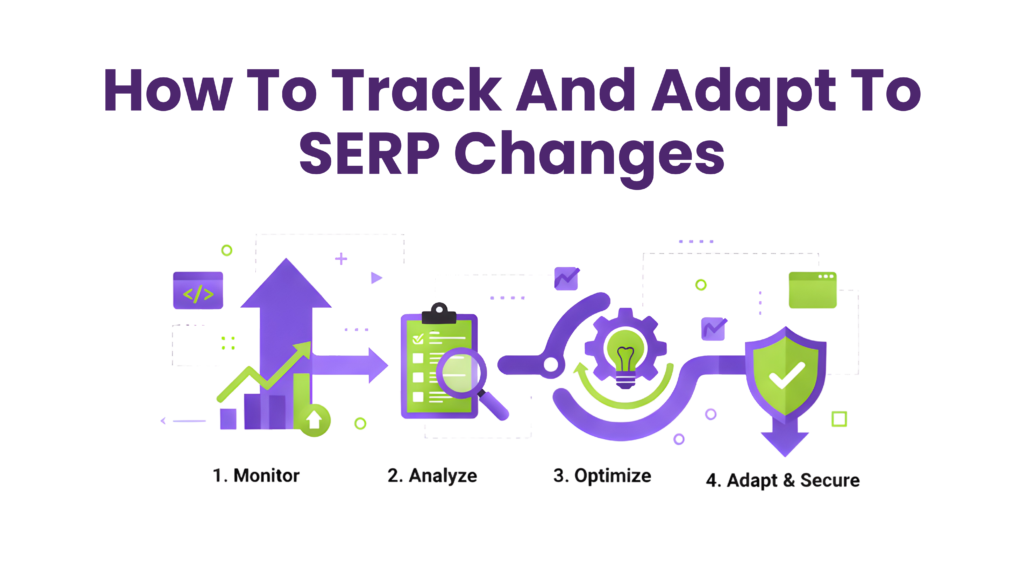
Proper content structure forms the foundations of winning featured snippets and AI Overviews. Google’s algorithms favor content that readers can easily understand. You need specific formatting strategies to grab these valuable position zero placements.
Use Of Bullet Points, Tables, And Short Paragraphs
Visual formatting boosts your chances of earning featured snippets. Research shows that 32.3% of featured snippets appear right after an H2 or H3 tag. Your content needs a clear hierarchy with descriptive subheadings that match user queries.
Each content format plays a unique role in featured snippets AI:
- Bullet points and numbered lists: Perfect for step-by-step guides, features, benefits, or item collections. List-format snippets make up approximately 19.1% of all featured snippets.
- Tables: Great for comparisons, specifications, or numerical data. Table snippets lead all format types with an 80% success rate.
- Short paragraphs: Ideal for definitions and simple explanations. Keep paragraph snippets between 40-50 words.
Your HTML structure matters just as much as the content. Google extracts data from existing tables rather than creating them from scattered information. Code your tables with HTML
Keep your formatting consistent. To name just one example, see step-by-step guides where each step needs similar formatting (e.g., “Step #1”, “Step #2”). Search engines recognize this logical structure better.
Answer-First Formatting For Better Extraction
Your page’s information arrangement affects snippet selection. Featured snippets and AI Overviews prefer content with immediate answers followed by supporting details.
Answer-first formatting works best when you:
- Lead with direct answers: Start relevant sections with complete answers (40-60 words).
- Use question-based headers: Create H2 and H3 tags as questions matching common search queries.
- Maintain neutral tone: Write in third person and skip promotional language.
- Follow with supporting details: Add context, examples, and evidence after your direct answer.
Featured snippets usually contain 40-50 words. Brevity matters a lot in optimization. Paragraph snippets structured this way achieve about a 65% success rate.
People naturally look for quick answers followed by context. Answer-first format doesn’t just help search engines – it creates a better user experience.
Well-structured visual formatting combined with answer-first content creates the perfect foundation for featured snippets and AI Overviews. This approach maximizes your chances to capture that valuable position zero spot.
Technical SEO Essentials for AI Visibility
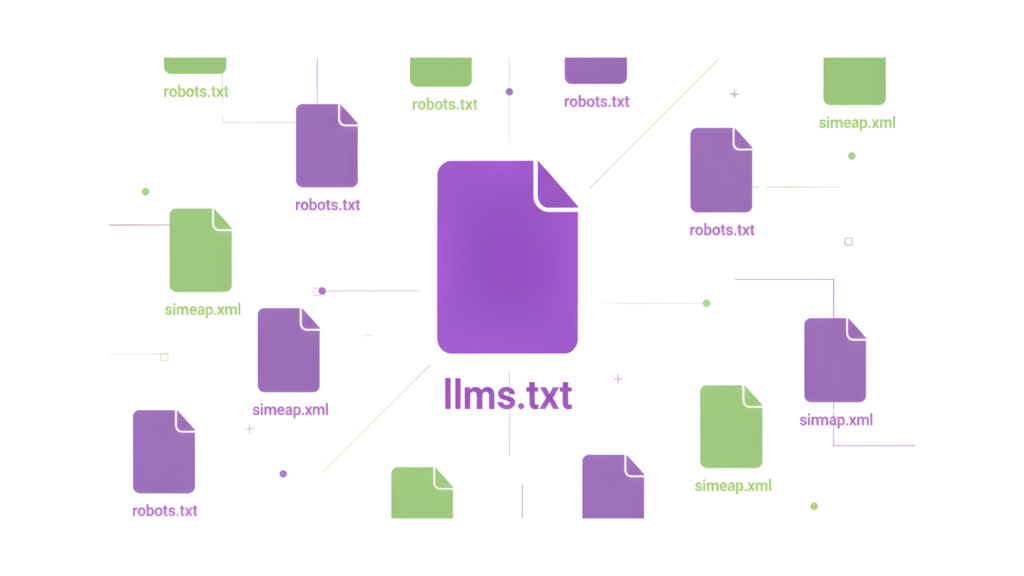
Technical foundations determine if your content shows up in featured snippets AI, and search overviews. A technical framework sits beneath your well-laid-out content that either helps or hurts your visibility efforts.
Ensure Crawlability And Indexability
Google needs to find and understand your pages before featuring your content in position zero. Your content must be accessible, crawlable, and properly indexed. Make sure Googlebot isn’t blocked, and your pages return a 200 success status code.
Your AI visibility faces risks with poor crawlability. SEO experts point out, “One of the most dangerous assumptions you can make is thinking that, because your site ranks well enough in Google, the technical foundations must be sound”. AI crawlers work differently from Google’s sophisticated search infrastructure:
- AI crawlers strip away code, formatting, and schema markup to ingest only raw text
- They have fewer signals to compensate for technical issues
- Technical problems affect AI visibility more than traditional search
XML sitemaps are vital roadmaps for search engines that provide direct links to every page on your site. You should submit your sitemap to Google Search Console. This helps AI systems find deep pages in a single visit instead of following multiple internal links.
Your CDN settings need regular checks. Cloudflare started blocking AI crawlers by default in July 2024, which could make millions of websites invisible to ChatGPT, Claude, and other AI systems.
Improve Page Speed And Mobile UX
Your featured snippets and AI overview appearances depend on page speed. Sites that load faster than 2.5 seconds show up in AI answers 73% more often than slower sites. A single second delay in load time can cut conversions by 7%.
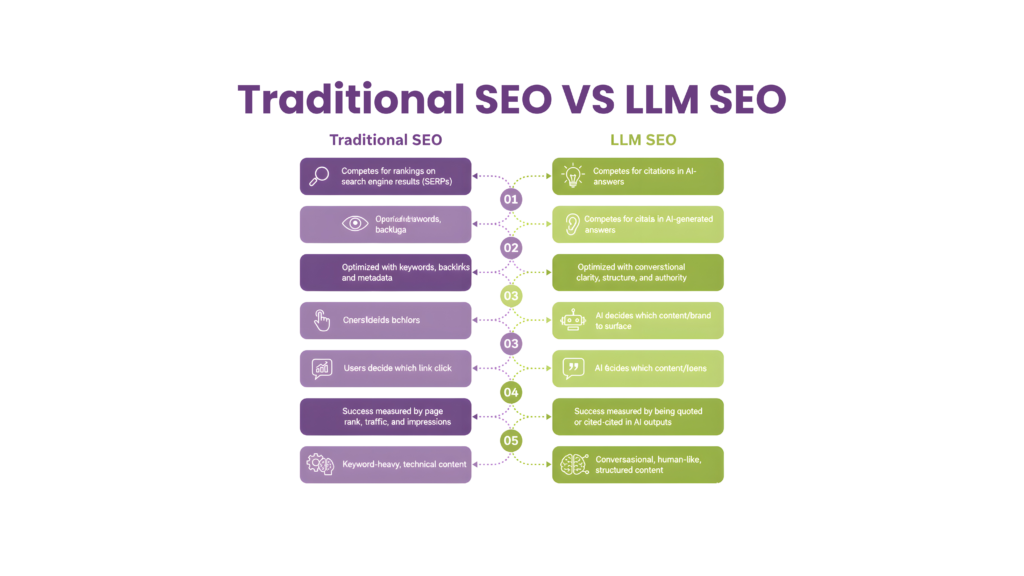
AI systems trust Core Web Vitals. These metrics measure:
- LCP (Largest Contentful Paint): Load speed (should be under 2.5 seconds)
- INP (Interaction to Next Paint): Responsiveness (should be under 200ms)
- CLS (Cumulative Layout Shift): Visual stability (should be under 0.1)
Your site’s AI visibility improves when you:
- Compress images and serve next-gen formats like WebP
- Use caching and Content Delivery Networks (CDNs)
- Clean up code by minifying CSS/JavaScript and removing outdated plugins
- Use modern hosting solutions instead of shared servers
Mobile optimization matters just as much. AI systems prefer websites that load quickly and work smoothly on smaller screens since 85% of users in Singapore browse on mobile devices. Keep paragraphs short and put important calls-to-action above the fold.
Use Schema Markup For FAQs And How-To
AI systems understand your content better with structured data. JSON-LD schema markup works best for AI optimization because it doesn’t interfere with page rendering while providing clear semantic information.
Two schema types help boost featured snippets AI visibility:
- FAQ Schema: Works for pages with multiple questions and single answers per question. Google now limits FAQ rich results to “well-known, authoritative websites that are government-focused or health-focused”.
You need to:
- Put the entire question text in each “Question” property
- Include the complete answer text in each “Answer” property
- Show all FAQ content to users on the page
- QA Schema: Perfect for pages with one question and multiple user-submitted answers. Forum pages or product support pages work well with this schema type.
Requirements include:
- Users must be able to submit answers
- Questions and answers need their complete text
- Answer markup works only for answers, not comments
Test your schema markup code with Google’s Rich Results Test to fix critical errors before deployment. The URL Inspection tool helps verify if Google sees your page correctly. Request recrawling after confirmation.
These technical SEO basics create a strong foundation for your content to appear in featured snippets and AI-generated overviews.
E-E-A-T and Authority Signals Google Trusts
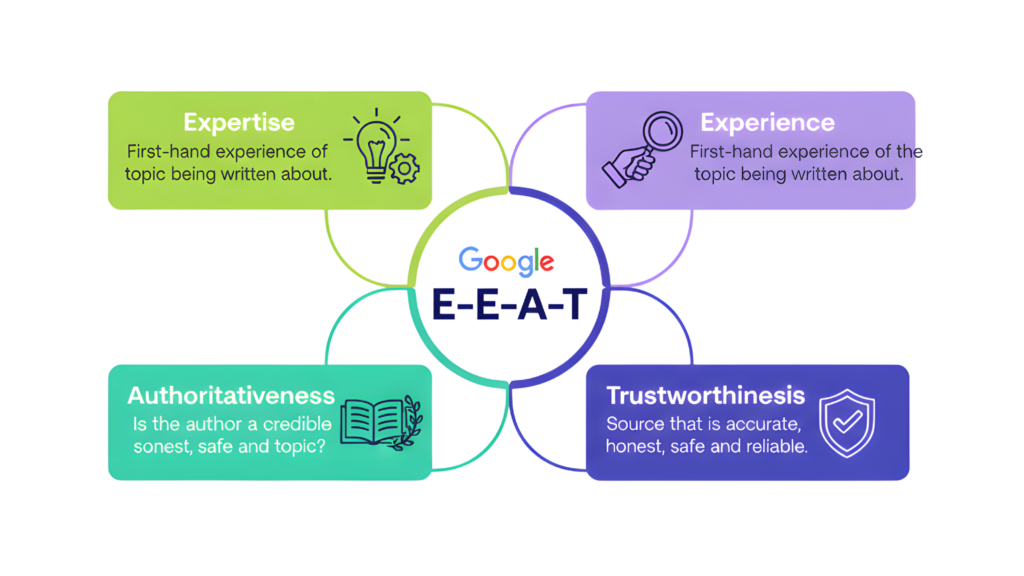
Trust signals in your content play a crucial role in appearing within featured snippets, AI, and search overviews. Google’s E-E-A-T framework (Experience, Expertise, Authority, and Trustworthiness) sets the quality baseline that modern ranking algorithms need.
Add Author Bios And Credentials
Real author names with visible credentials show Google that your content meets E-E-A-T standards. You can improve your content’s trustworthiness by:
- Creating detailed author biographies linked from article bylines
- Adding professional headshots, titles, and relevant background
- Linking to authors’ professional profiles or personal websites
- Including relevant industry credentials, certifications, or awards
Pages with strong E-E-A-T signals and proper formatting get featured much more often in AI-powered search results. Author pages need more than simple information; they should have a clear digital footprint that confirms legitimacy and subject matter expertise.
Google prefers pages with verified author profiles because of its focus on building entity relationships. Author metadata with detailed “Person” structured data makes this effect even stronger.
Cite Credible Sources And Update Content Regularly
Trust remains the most vital part of E-E-A-T—pages lacking trust have low E-E-A-T, whatever their experience or authority level. Build trust through better citation practices:
- Link to credible external sources like official studies or reports
- Use first-party data and original research to make your brand a knowledge source
- Add “Last updated” timestamps and refresh content when facts change
- Keep transparent editorial standards throughout your content
36.6% of search keywords now trigger featured snippets from schema markup, which makes proper attribution valuable for AI parsing. Citation quality affects position zero eligibility; clean outbound links to authoritative sources boost your chances of being featured.
Your content must be safe to cite and easy to synthesize for inclusion in AI Overviews. This makes proper source attribution crucial, especially when discussing statistics or industry standards.
These trust signals, when used consistently across your site, create the foundation that AI systems need to confidently extract and feature your content in position zero placements.
How to Optimize Existing Content for Snippet Wins
Getting to position zero needs a systematic approach to content optimization. Your existing content can help you get featured snippets faster than creating new pages. You probably have content that needs just a few adjustments to earn featured snippets AI prominence.
Identify High-Performing Pages In Search Console
The best place to start is Google Search Console. Look for pages that already rank on page one for relevant queries.
These steps will help you find the best snippet opportunities:
- Check the position box in Google Search Console’s Performance report to see your page rankings
- Pages ranking from positions #2-10 have strong potential for snippet promotion
- Search for question-based queries that bring traffic to your site
- Tools like Semrush or Ahrefs can show keywords triggering featured snippets in your niche
Pages ranking in positions 2-5 can still secure featured snippets, though position #1 pages have the best chance.
Add Concise Summaries And Structured Answers
After picking your target pages, use these proven snippet-winning structures:
Your first two sentences should answer user queries directly. Place clear 40-60 word definitions right after question-based H2/H3 headings for paragraph snippets.
Match your content format with what appears in the snippet position now. HTML tables with proper markup work well when competitors use table snippets. Create numbered or bulleted lists for steps or points if list snippets dominate your target keywords.
The content hierarchy should use proper HTML elements:
- H2/H3 subheadings that match search queries
- Brief answers right below relevant headings
- Detailed information and supporting evidence follow
Your high-ranking content has a better chance of capturing valuable position zero real estate when you apply these optimization techniques systematically.
Tracking Performance and Adapting Strategy
Your snippet’s long-term success depends on tracking performance. You’ll stay visible as search features change by measuring results and tweaking your approach.
Monitor Impressions And CTR in Google Search Console
Google Search Console (GSC) is a great way to get insights into your featured snippet performance. The Performance report helps you track these key metrics:
- Impressions – how often your snippets show up in search results
- Clicks – direct visits from snippet visibility
- Click-through rate (CTR) – how well they drive traffic
You can filter by “Search Appearance” and select “Rich results” to analyze featured snippets. A successful snippet strategy shows better CTR than your typical ranking position.
The Web Search ScrollToText data in GSC lets you learn about queries that get featured snippet clicks in Chrome browsers.
Adjust Based On AI Overview And Snippet Presence
You won’t keep position zero forever. The moment your monitoring shows a lost snippet, you should:
Check your header tags to confirm question relevance. Make your answers more specific or concise. Update your structured data and look for FAQ schema errors.
High-performing content needs updates faster in dynamic fields like health or finance. New statistics and information help you stay relevant because “optimizing for featured snippets is an ongoing process”.
Featured snippets work well as a key performance indicator to measure your content’s search visibility and relevance.
Conclusion
Search keeps evolving as AI Overviews take over many traditional featured snippets. Your content strategy needs to adapt to these changes. Featured snippets are a great way to get premium SERP real estate, higher click-through rates, and better brand visibility. You should optimize for both traditional snippets and AI Overviews to maintain search visibility in this changing digital world.
Google Search Console helps track your performance and gives vital feedback to keep improving. You can make your approach better by watching impressions and click-through rates based on real-life results. The most successful strategies will change as search features evolve.
Want to optimize your content for featured snippets and AI overviews? Visit RankFast to learn how our SEO experts can help you reach position zero and improve your visibility in Google’s AI-powered search results. It is best for the Bigcommerce SEO company.
More businesses now see position zero’s value, and competition will only grow fiercer. The strategies covered in this piece can help you win featured snippets and stay visible in AI Overviews with e-commerce SEO link building. Your investment in snippet optimization today will boost your search visibility and authority for years to come.
FAQs
Q1. How do AI Overviews differ from traditional featured snippets?
AI Overviews synthesize information from multiple sources to create comprehensive answers, while featured snippets extract content from a single webpage. AI Overviews offer more detailed responses and enable follow-up questions, creating a more interactive search experience.
Q2. What are the key elements of content structure that help win featured snippets?
To win featured snippets, use clear heading hierarchies, bullet points, tables, and short paragraphs. Implement answer-first formatting by providing concise answers (40-60 words) at the beginning of relevant sections, followed by supporting details.
Q3. How important is page speed for appearing in featured snippets and AI Overviews?
Page speed is crucial. Websites loading faster than 2.5 seconds appear in AI answers 73% more frequently than slower competitors. Optimizing Core Web Vitals, compressing images, and leveraging caching can significantly improve your chances of being featured.
Q4. What role does E-E-A-T play in winning featured snippets?
E-E-A-T (Experience, Expertise, Authority, and Trustworthiness) is vital for snippet success. Add comprehensive author bios with credentials, cite credible sources, and regularly update content to build trust signals that Google’s algorithms favor for featured snippets and AI Overviews.
Q5. How can existing content be optimized for featured snippets?
Identify high-performing pages ranking on the first page of search results. Add concise summaries (40-60 words) that directly address user queries, structure content with clear headings matching search terms, and use appropriate formatting (lists, tables) based on current snippet formats for your target keywords.