The numbers tell a compelling story – 76% of consumers searching for ‘near me’ visit a business within 24 hours. Local search drives customers straight to your doorstep. A remarkable 88% of people who look up local businesses on their smartphones visit those stores within a week. Google’s local algorithm keeps changing, and businesses must adapt to maintain their visibility. Local intent now drives 46% of all Google searches. Becoming skilled at local business SEO services has become crucial for survival. Map Pack positions face fierce competition today. Google evaluates up to 149 different factors when ranking local searches. The stakes are high – 8 out of 10 US consumers look up local businesses online at least once every week. This makes partnering with top-notch local SEO services a strategic necessity. Here, you’ll learn about the latest local ranking factors. We’ll explore the key factors that determine Map Pack positions and recent Google local update changes. You’ll find which ranking elements SEO professionals now see as most influential and ways to enhance your strategy.
The 3 Pillars of Local Search: What’s Still True in 2025
Google’s algorithm keeps changing, but local search still rests on three main pillars. The way these factors work might have changed, but understanding them is vital to mastering the latest local ranking factors in 2025.
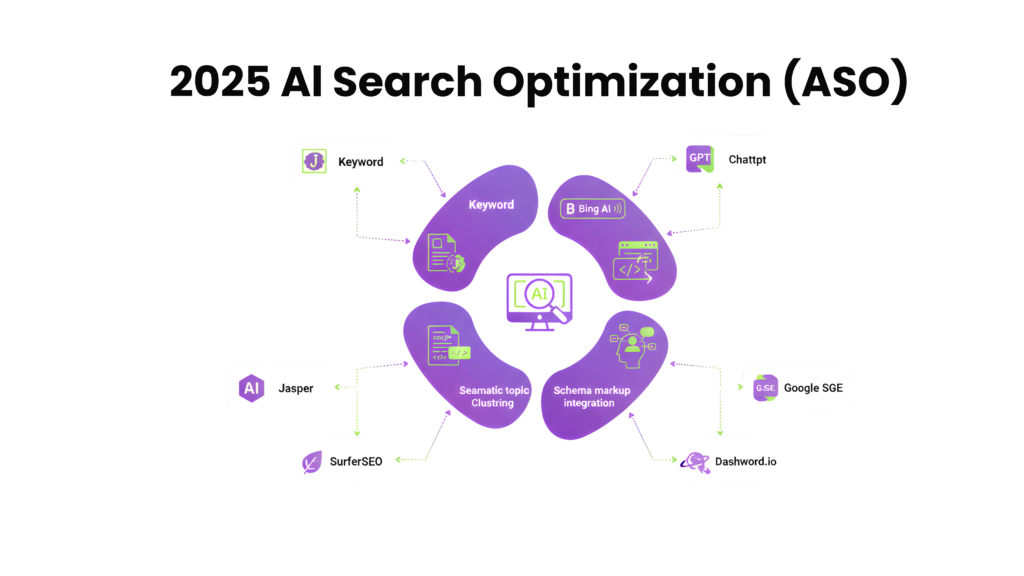
Proximity: Still A Core Factor, But Less Controllable
Proximity remains the backbone of local search results in 2025. Your physical location still matters most when you search for “coffee shop” or “dentist” on Google. The proximity factor has become more sophisticated this year.
Google now looks at “nearness” differently – raw distance isn’t the only metric anymore. Google takes into account:
- Travel time and accessibility, rather than just physical distance
- User-specific travel patterns and priorities
- Neighborhood and district boundaries that make logical sense
You can’t control where your business sits relative to searchers, but you can optimize for proximity with an accurate service area in your Google Business Profile. This helps Google show your services even when you’re not physically close by.
Relevance: More Tied To Content And Intent
Relevance has grown as one of the key ranking factors SEO experts watch. Your business needs to match the searcher’s specific intent in 2025, not just hit the right keywords.
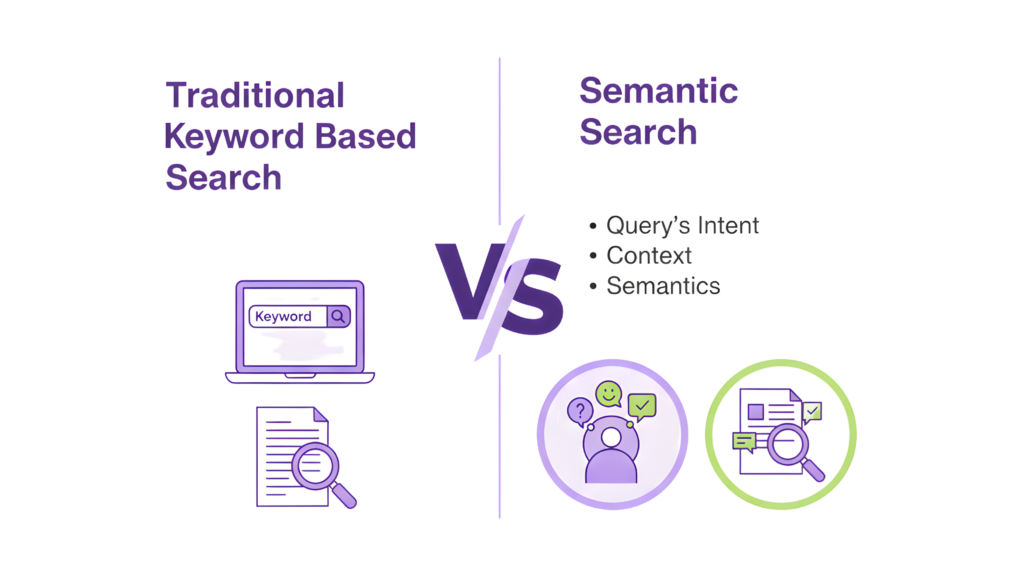
Google measures relevance through:
- Entity associations – how your business connects to related concepts
- Content depth across your website, particularly on service pages
- Semantic understanding of your business offerings
Better relevance signals come from detailed service pages with geographic keywords. Your website should answer common questions and needs. Your GBP categories and attributes play a bigger role in helping Google understand what you offer.
Prominence: Now Includes More Digital Signals
Prominence – your business’s reputation and trust – now takes in more digital signals. Traditional factors like backlinks and citations still count, but prominence now looks at:
- Review quality, sentiment, and recency (not just quantity)
- Brand mentions across the web (even without formal citations)
- Social engagement signals
- User interaction patterns with your Business Profile
Recent Google local update changes have made prominence more important. The algorithm looks beyond basic citation numbers to rank businesses in the Map Pack.
Building prominence in 2025 means getting steady reviews, giving thoughtful responses to customer feedback, and earning quality links from local sources. Your business should appear on “Best of” lists and industry directories that customers often use.
These three pillars – proximity, relevance, and prominence – are vital for businesses using the local business SEO services. The basics stay the same, but signals and their importance keep changing. This makes ongoing optimization necessary for local business SEO services to stay visible in competitive markets.
What Changed in Google’s Local Algorithm This Year
Google’s local search algorithm changes in 2025 have altered the digital map. Your business visibility in local search results depends on how well you understand these changes. Here are the main updates that changed how businesses show up in local search this year.
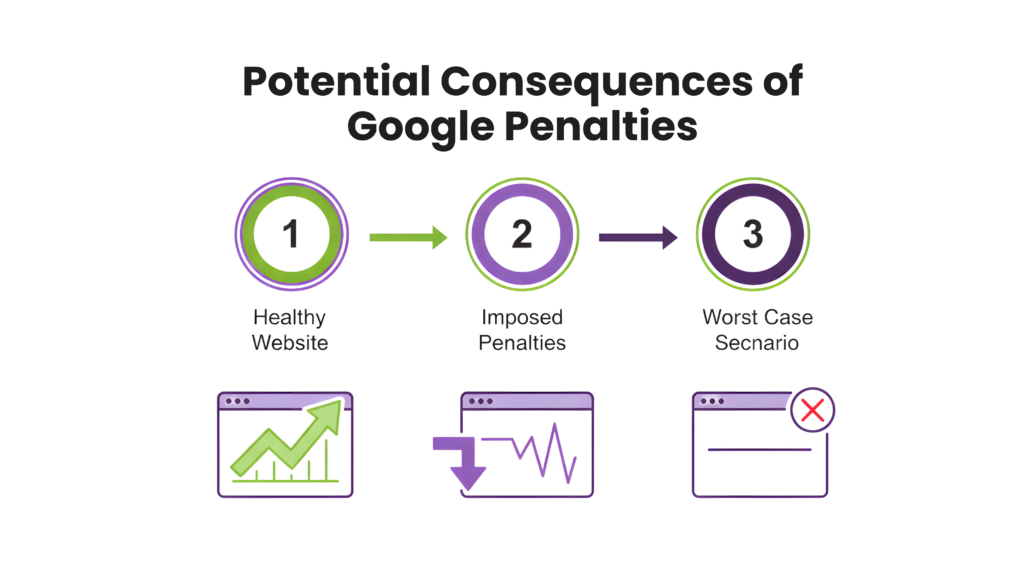
Google Local Update Changes You Should Know
Google’s Vicinity Update 2.0 has changed how location affects rankings. This update targets businesses that stuff keywords into their names and makes this tactic less effective. Businesses using proper names without keyword stuffing now have better chances of appearing in the Map Pack.
The Experience Update is another major change from Google that values first-hand experience in content. Local businesses should note that:
- Content showing real service delivery in your area ranks better
- Location-based photos and videos matter more
- Reviews that mention specific services get more attention
Google’s improved spam detection has removed millions of fake listings and reviews. This helps legitimate businesses that invest in proper local business SEO services.
AI Integration in Local Search Results
AI has changed how Google shows and understands local search results. The Search Generative Experience (SGE) creates AI snapshots above regular local pack results. Users can see important business details without clicking through.
This AI integration brings:
- Better understanding of what users want based on their search history
- Better featured snippets that pull info right from your website
- AI review summaries that highlight your business’s key features
Businesses that optimize for these AI-driven factors that influence Map Pack positioning have an edge. The algorithm likes content that gives clear, direct answers because AI works better with well-laid-out information.
Shift In Weight Of Ranking Factors
The importance of various ranking factors that SEO experts track has changed a lot this year. Here’s what’s different:
Primary business category selection now has 30% more influence on local rankings. Your category choice determines which searches display your business.
User behavior signals like click-through rate, time spent on website, and direct actions (calls, direction requests) are now 25% more important. Google uses these engagement metrics to determine relevance.
Reviews now carry even more weight. The algorithm looks at how often you get new reviews, what customers say about specific things, and how you respond to them. All these factors affect your position in local results.
Google has changed how it looks at link profiles. Instead of counting links, it checks if they’re from relevant locations, authoritative industry sources, and if they bring real traffic to your site.
These latest local ranking factors help you build a better strategy. Businesses that adapt to these changes do better than those using old SEO methods. The best local SEO services can help you handle these changes and stay ahead in local search.
Updated Local Pack Ranking Factors You Can’t Ignore
The competition to appear in Google’s Local Pack has reached new heights in 2025. Businesses now fight harder than ever to grab those top three spots that catch everyone’s eye. Learning about the latest local ranking factors isn’t just helpful – your local business needs it to survive.
Primary Google Business Profile category
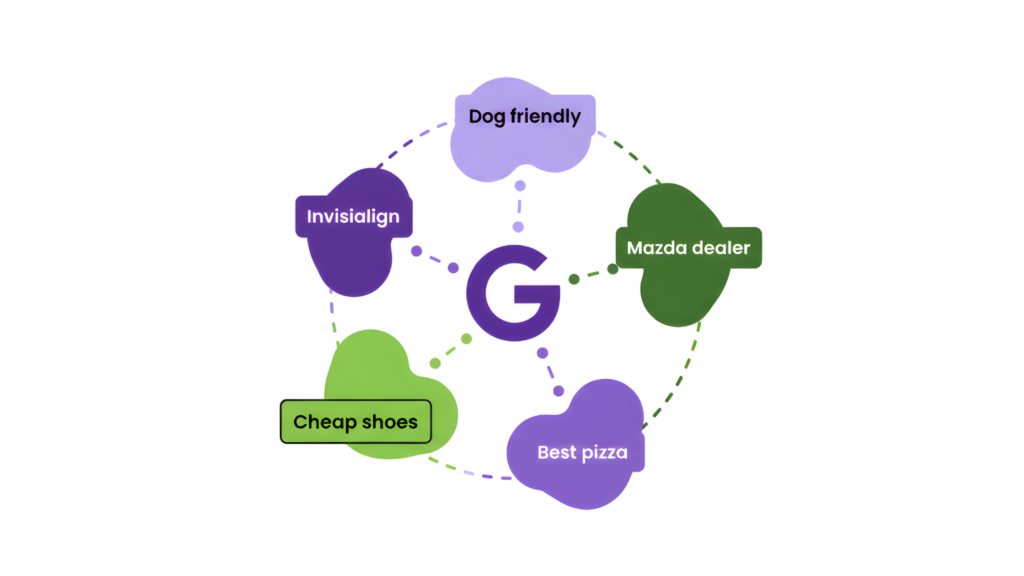
Your primary GBP category choice now stands as the biggest factor that determines which searches show your business. Secondary categories add context, but your primary category directly shapes your ranking potential.
Here’s how to make the most of this:
- Pick the most specific primary category that fits your main business
- Use secondary categories that complement your visibility
- Don’t fall into the trap of picking a too-broad primary category
Local SEO experts say businesses that pick the most exact primary category for their services rank up to 30% higher than those using general categories. This makes picking the right category one of the most vital factors that influence Map Pack rankings.
Keywords in GBP Title
In stark comparison to this common belief, keywords in your Google Business Profile title still matter, but in a different way after recent Google local update changes. Google now tells the difference between real business names with keywords and those stuffed with keywords just to rank better.
“Denver Family Dental” works well as a registered business name, but “Denver Best Affordable Emergency Dentist 24/7” might get you penalized. The difference lies in whether these keywords belong in your legal business name.
SEO studies show businesses with genuine keyword-inclusive names can see up to 20% better visibility than those without keywords. This advantage only works when keywords naturally fit your official business name.
Proximity To Searcher
Location still forms the foundation of local search, though it works differently now. Google looks at:
- Real travel time instead of direct distance
- Where neighborhoods start and end, plus natural barriers
- How many similar businesses operate nearby
Google’s location calculations have gotten smarter. They know a business five miles away might be easier to reach than one just three miles away when you factor in traffic and physical obstacles.
Businesses working with the best local SEO services need exact address information and proper service area settings. This helps Google figure out where you can realistically serve customers beyond your actual location.
Review Volume And Recency
Review metrics now carry more weight than other reputation signals in local ranking. The game has changed – it’s not just about your total review count but also:
- How often do new reviews come in
- What keywords do customers use
- The overall tone of the review content
- Your response speed and quality
Businesses that get 5+ new reviews each month usually outrank others with static review counts, even if those others have more total reviews. This fresh content reward goes to businesses that really work at providing excellent local business SEO services.
Behavioral Signals Like Click-Through Rate
Google now relies heavily on user behavior to verify rankings. The system tracks:
- How often do people click your search results
- What users do after seeing your listing (calls, directions, website visits)
- Time spent on your website
- How often do people come back to your listing
These engagement numbers prove how relevant you are to specific searches. Businesses with higher engagement consistently show up more in the Local Pack.
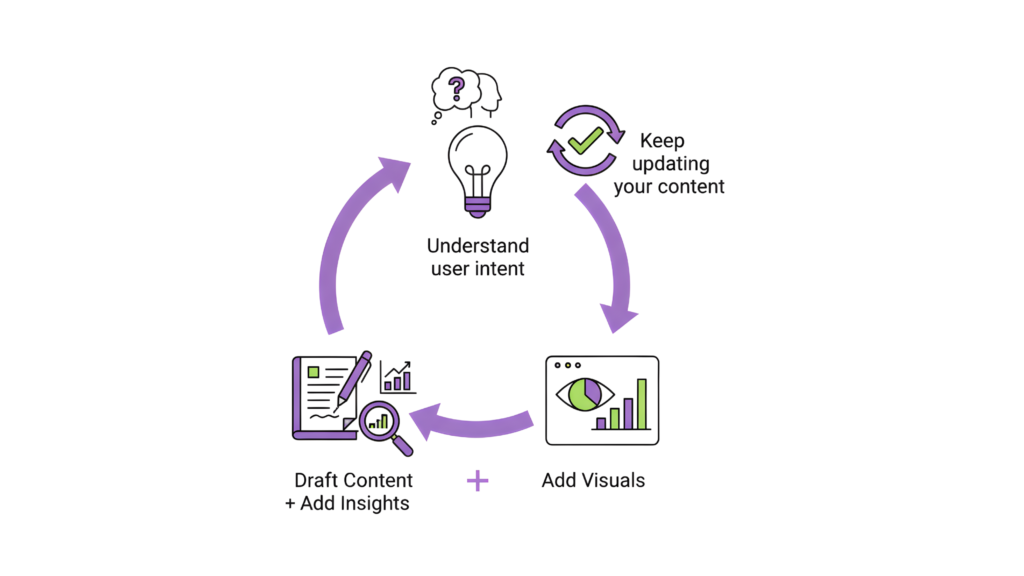
Your GBP listing needs great photos, correct hours, and complete business details to improve these behavioral ranking factors that SEO experts now focus on.
These ranking factors keep changing, and teaming up with specialized local business SEO services like RankFast can help you stay ahead of local competitors. Focus your efforts on these proven ranking factors to boost your visibility where it counts most.
Local Organic Ranking Factors That Matter Now
The Local Pack grabs attention right away, but organic rankings still play a crucial role in online business success. Businesses that want lasting visibility should focus on these four latest local ranking factors. These elements will give you the best results in today’s search world.
Dedicated Service Pages With Geographic Keywords
The top organic ranking factor for local businesses is to create dedicated pages for each service. These pages act as digital storefronts and target specific search intent.
Each service page should have:
- At least 300 words of unique content about that specific location
- Geographic keywords that fit naturally in titles and headings
- Location-specific information to show local presence
- Customer testimonials from that area
This strategy becomes even more effective for businesses with multiple locations. You show Google you actually serve these areas by creating individual pages for each service-location pair. This boosts your visibility when people search in specific locations.
Internal Linking Structure
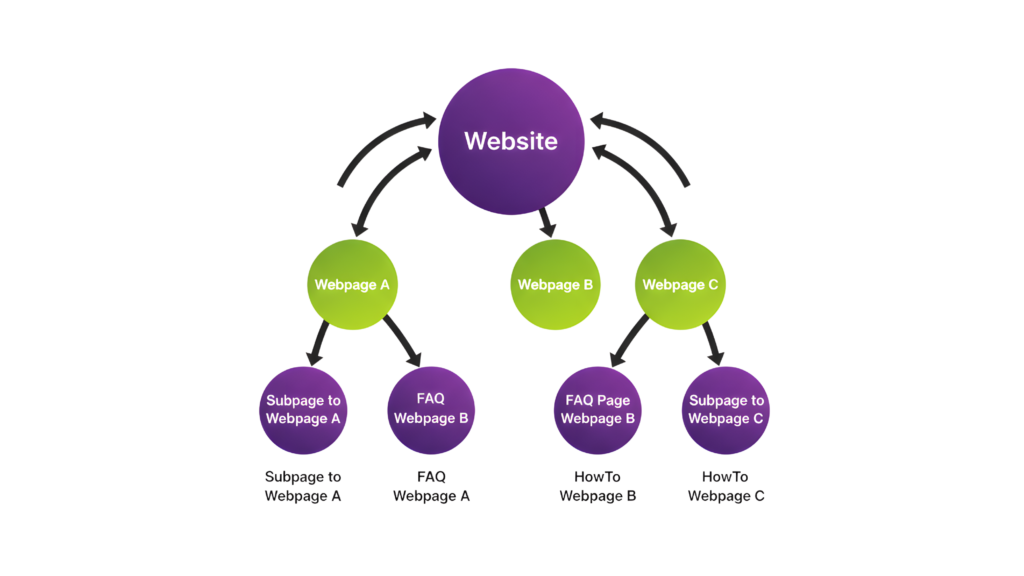
Your site’s architecture depends on internal links that help authority flow between pages. When you connect your location-specific content to core services through strategic internal linking, you increase your topical authority in specific geographic markets.
Your internal linking strategy needs to:
- Link service pages to relevant local content
- Show clear hierarchies between main and supporting pages
- Use descriptive anchor text with location terms
- Send link equity to pages that convert well
Search engines use this connected approach to understand your site’s expertise in specific markets. This makes your site a natural choice to appear in featured snippets and local search results.
Authority Of Inbound Links
Quality matters more than quantity when it comes to inbound links. The mix and relevance of your backlinks now matter more than just having lots of them in ranking factors SEO tracking.
Local businesses get the most value from these backlinks:
- Industry-relevant domains that show topic expertise
- Local domains that strengthen geographic connections
- Sites with high domain authority and low spam scores
- Sources that send real visitors to your site
A valuable backlink comes from a trusted site with authority that matches your page’s topic. To name just one example, see how a “car insurance” service page benefits more from insurance website links than random sources.
Content Depth And Topical Relevance
Your expertise in the local market shines through in content depth. A detailed exploration of topics related to your services helps establish you as an authority in your field.
To build topic relevance:
- Create content groups around local themes
- Answer questions local customers ask
- Add enough detail to show expertise
- Add local references and insights
Your website can rank for more keywords and phrases this way, which increases your visibility in local search results. Working with the best local SEO services helps you build this topical authority step by step.
These four organic ranking factors will help your business grow steadily in local search visibility beyond Map Pack results.
AI Search Visibility: The New Frontier in Local SEO
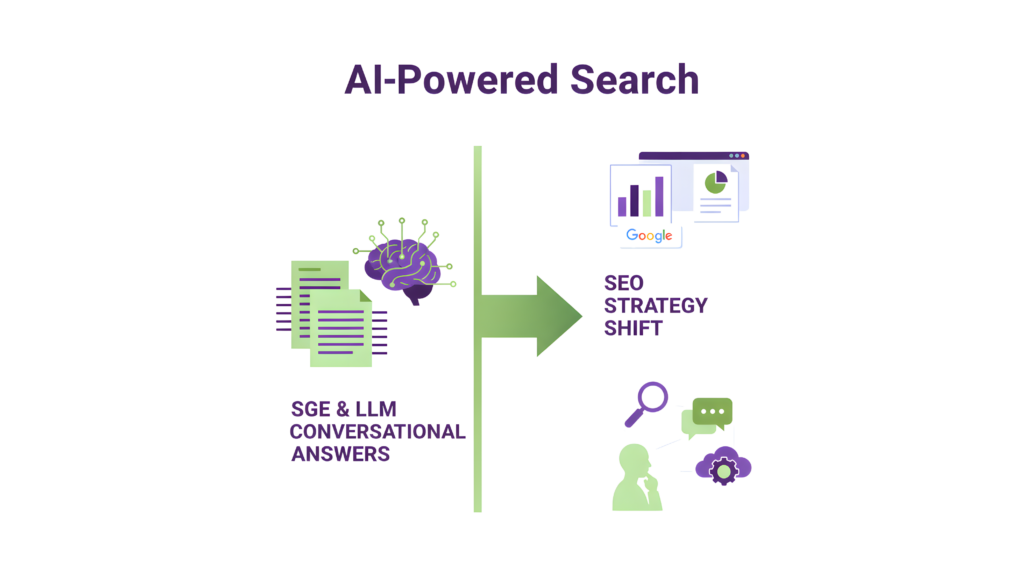
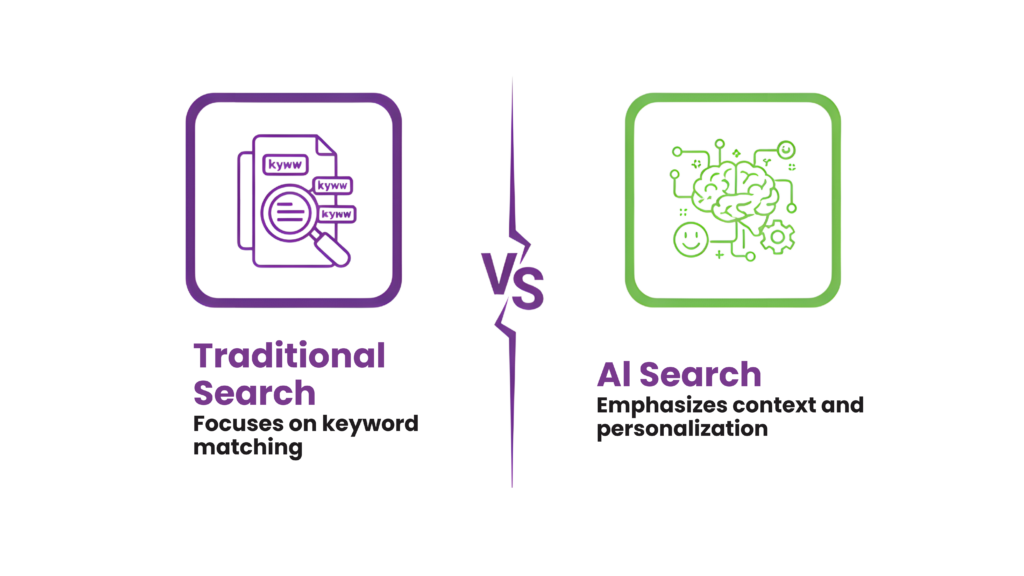
AI-powered search has created a new battleground for local businesses. The year 2025 brings fresh challenges as your visibility in AI search results now depends on different signals than traditional ranking factors. Local businesses that understand these new elements will get ahead in what experts call “the next frontier of local SEO.”
Presence On Curated ‘Best Of’ Lists
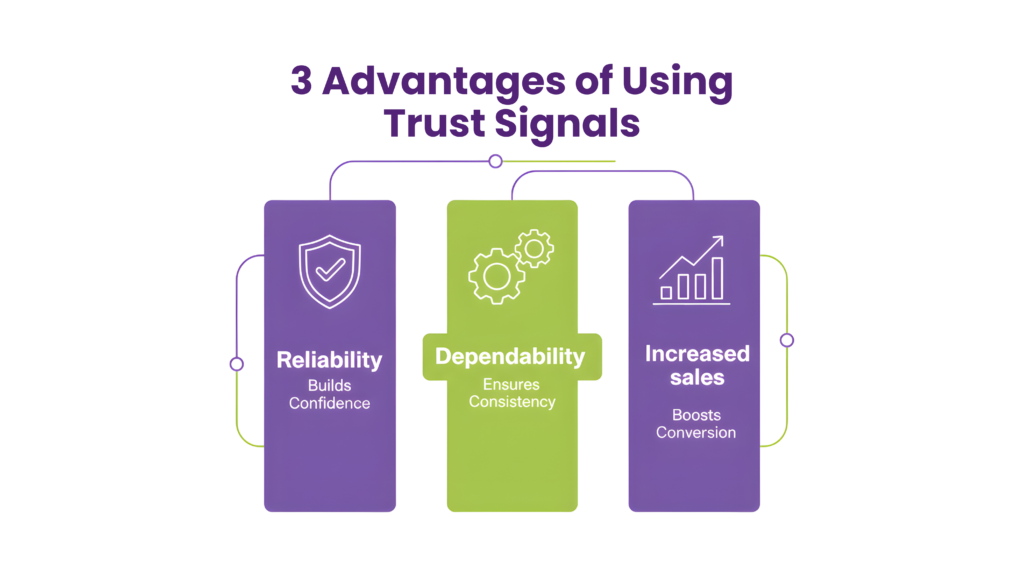
Your business needs to appear on expert-curated “Best Of” lists – it’s now the leading factor for AI search visibility. AI systems look at these third-party validations as strong trust signals when making recommendations.
These curated lists serve as key sources for AI tools like ChatGPT and Google’s AI Mode when users ask about local businesses. Your chances of showing up in AI-generated answers improve when you secure spots on location-based and industry-specific roundups.
Unstructured Citations And Brand Mentions
The AI era has made unlinked mentions of your business across the web more valuable. Traditional citations follow a fixed format in business directories, but unstructured citations show up naturally in:
- Blog posts discussing your services
- News articles mentioning your business
- Social media conversations about your brand
- Forum discussions where customers recommend you
Research shows over 60% of citations in Google’s AI Overviews come from platforms outside Google, such as Reddit, TripAdvisor, and Yelp. AI systems use these unstructured mentions to check your business’s legitimacy and expertise.
Scannable Content Structure
Your website’s content structure plays a key role in AI visibility. AI models read content in chunks, so clear sections with descriptive headings help them understand context better. Sites with easy-to-scan structures are 40% more likely to be cited by AI.
Clear headings, lists, and tables make it simple for AI to spot and pull relevant information. This organized approach helps your business information appear more often in AI-generated responses.
Diversity of Third-Party Reviews
Many AI systems can’t access Google reviews because of API limits. This makes it essential to spread your reviews across multiple platforms to boost AI search visibility.
Reviews on Yelp, Facebook, and industry-specific platforms send strong trust signals to AI systems. Multiple sources of reviews prove your legitimacy and boost your chances of appearing in AI recommendations.
These latest local ranking factors will help your business succeed in the AI-driven search world. The best local SEO services now include AI visibility optimization as a core part of their local business SEO services.
How To Optimize For The New Local Ranking Landscape
You need specific optimization strategies that match Google’s latest algorithm changes to excel in the new local ranking landscape. Let’s look at five areas that will help you increase your local visibility and stay ahead of competitors.
Audit And Update Your Google Business Profile
Your Google Business Profile (GBP) stands as your most valuable asset in local SEO. Start by checking if your NAP (Name, Address, Phone) matches across your GBP, website, and third-party listings. Pick the most accurate primary business category and add relevant secondary ones to get better keyword coverage.
Your business description should naturally include target keywords without overdoing it. Add products and services sections that describe your offerings in your own words. The core team should update hours, holiday closures, and other key details to prevent confusion and bad reviews.
Focus On Review Generation And Response
Reviews affect your local SEO performance through quality, quantity, and how recent they are. Set up a review system that gets feedback at the perfect moment. Send review requests right after good customer experiences and make the process simple with direct links to your Google review form.
Review responses do more than just show good service—they boost your local SEO. Google has confirmed that responding helps your local presence, and ignoring reviews hurts more than getting a 1-star rating.
Build Local Backlinks From Relevant Domains
Local backlinks from websites in your region are vital to improve your site’s prominence. Quality matters more than quantity, so target other local websites that Google links to your area.
Look for chances through local sponsorships, community events, and working with nearby businesses. Local directories often provide backlinks, so list your business there. Top-ranking local businesses usually have about 80 citations.
Use Structured Data And Schema Markup
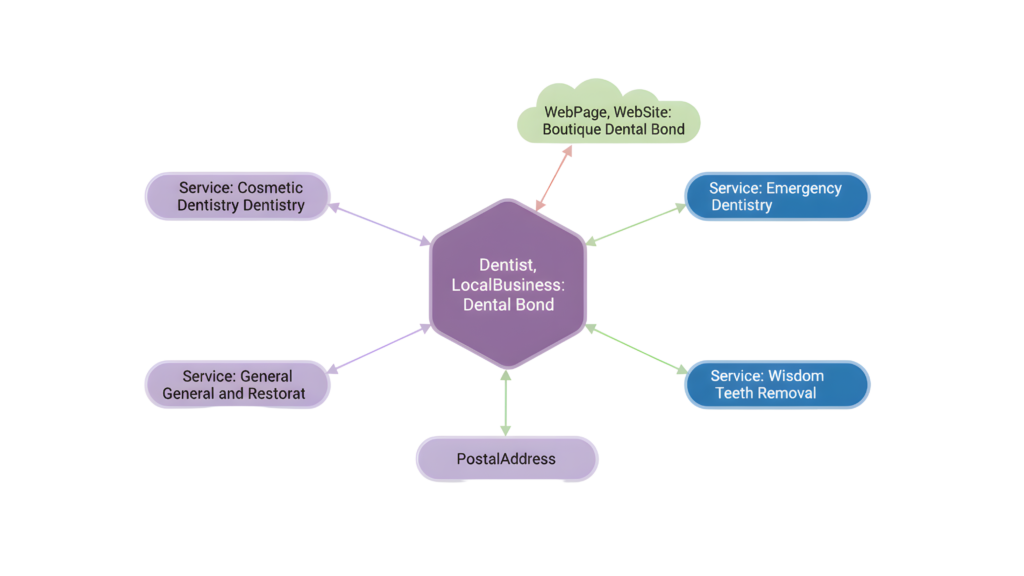
Search engines understand your content better with structured data, which improves search visibility. LocalBusiness schema markup lets search engines show your business details, including name, address, phone number, hours, and payment options.
Review schema helps your ratings show up in search results, making your listing more noticeable. AI systems need structured data to provide accurate details about your business.
Track Rankings Across Different Locations
Keep an eye on how your business ranks in different areas once your local SEO plan is running. Semrush’s Map Rank Tracker shows your business rankings for specific keywords across locations using exact geo-coordinates.
Map pins show local positions with color codes based on your keyword rankings. This data helps you find visibility gaps, see where you’re leading or falling behind, and measure yourself against local competitors.
Why Choose RankFast for Local Business SEO Services
A reliable partner can make all the difference in today’s competitive digital world when it comes to local SEO. RankFast creates custom solutions with latest local ranking factors expertise that align perfectly with your business objectives.
Local search success comes from RankFast’s specialized approach. They excel at location-specific keyword optimization, detailed Google My Business optimization, and precise business citations across online directories. Their strategy builds your local search credibility while creating location-specific content that strikes a chord with your target audience.
RankFast stands out from standard local business SEO services by combining personalized consultant attention with agency-level capabilities. Their experts stay updated with Google local update changes and implement innovative strategies to deliver results.
RankFast distinguishes itself among the best local SEO services through its ROI-focused approach. Their analytics system monitors campaign performance with emphasis on factors that influence Map Pack visibility. The team optimizes essential ranking factors that SEO professionals track to deliver quick wins and sustainable growth—without long wait times.
Conclusion
Local SEO is changing fast, and businesses must keep up with these changes quickly. Google’s algorithm updates in 2025 have altered the map of local search results. Rankings still depend on three basic elements – proximity, relevance, and prominence. These foundations now work in more complex ways.
Your Google Business Profile matters more than ever. The Map Pack shows your business based on your chosen category, review handling, and correct business details. These significantly affect your visibility. User behavior, like click-through rates and how people interact with your listing, now carries more weight in rankings.
These changes might feel overwhelming at first. Local search will keep changing without doubt. Working with experts who understand these moves gives you an edge in getting local search traffic. RankFast’s detailed services can help start your local SEO journey today and turn your local visibility into real growth.
FAQs
Q1. How has Google’s local algorithm changed recently?
Google has introduced updates like Vicinity 2.0 and the Experience Update, placing greater emphasis on authentic business names, first-hand experience content, and spam detection. AI integration has also altered how search results are interpreted and displayed.
Q2. What are the most important factors for ranking in Google’s Local Pack?
The top factors include selecting the correct primary Google Business Profile category, having keywords in your business name (if legitimate), proximity to the searcher, review volume and recency, and user engagement signals like click-through rates.
Q3. How can businesses improve their organic local search rankings?
Focus on creating dedicated service pages with geographic keywords, developing a strong internal linking structure, building authoritative and relevant inbound links, and producing in-depth content that demonstrates local expertise and relevance.
Q4. What role does AI play in local search visibility?
AI search visibility is increasingly important. Businesses should aim to appear on curated “Best Of” lists, generate diverse third-party reviews, structure content for easy AI interpretation, and cultivate unstructured citations and brand mentions across the web.
Q5. What steps can a business take to optimize for the new local ranking landscape?
Key steps include auditing and updating your Google Business Profile, focusing on review generation and response, building local backlinks from relevant domains, implementing structured data and schema markup, and tracking rankings across different locations.