
The process of choosing the right doctor can feel daunting. More than 80% of patients check online reviews before they schedule an appointment with a referred specialist. Patient search patterns have changed a lot over the last several years, and understanding what matters most during this vital decision has become significant.
Research shows that about a quarter of patients now depend on online reviews to make their healthcare choices. This behavior shows how patients just need more transparency and information about their healthcare options. The Association of American Medical Colleges expects a shortage of up to 124,000 physicians by 2034. This shortage makes the ability to search effectively for the right doctor even more vital.
You might want a primary care physician who understands your medical history and explains treatment options clearly. Maybe you’re looking for a specialist from the growing number of 148,560 Certified PAs and 325,000 NPs in the US. These nine patient search behaviors will guide you toward a better-informed healthcare decision.
Check if the Doctor Accepts Your Insurance
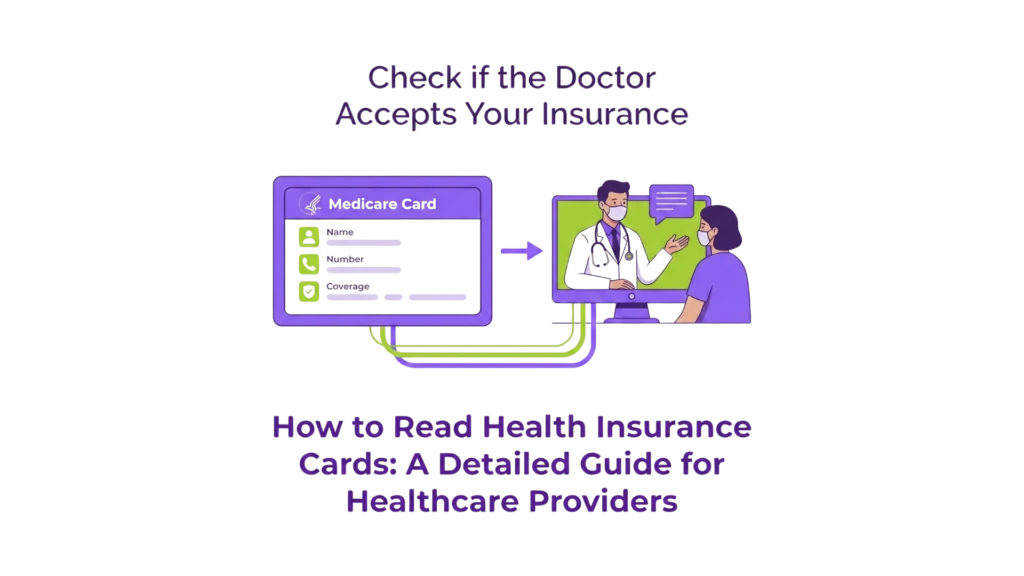
Insurance compatibility is one of the most important factors when you select a healthcare provider. 89.6% of patients rate it as “important” in their decision-making process. You need to check if a doctor accepts your insurance plan. This step will affect both your care options and finances.
Insurance Compatibility Importance
A doctor’s participation in your insurance network is more than just convenient—it’s a must for your finances. Insurance carriers build networks by negotiating lower rates with trusted, high-quality healthcare providers. These negotiated arrangements benefit everyone involved: you pay less for quality care, doctors see more patients, and insurers keep their expenses predictable.
The value of insurance verification changes across different demographic groups. Research shows that costs matter a lot to people without health insurance, those with private insurance, and people with less education. This means you should check insurance compatibility ahead of time to avoid surprise bills.
How to Verify Insurance Participation
You need to pay attention to detail when confirming a doctor’s participation in your specific insurance plan. Here are the quickest ways to verify coverage:
- Check your insurance company’s provider directory – Most insurance companies offer searchable online directories where you can enter your plan information to find in-network providers
- Call the doctor’s office directly – Ask specifically if they accept your exact insurance plan, not just your insurance company
- Contact your insurance company – Verify with your insurer that the doctor participates in your specific plan’s network
- Use online healthcare platforms – Websites like Zocdoc display insurance compatibility information and often show whether doctors are in-network
You need to be specific about your questions—don’t just ask if a provider “accepts” your insurance. Ask if they are “in-network” with your particular plan. This difference matters because insurance companies usually offer multiple networks, and providers might not participate in all of them.
Impact On Out-Of-Pocket Costs
Seeing an out-of-network provider can hit your wallet hard. Out-of-network care leads to higher personal expenses because your plan covers less of the cost—sometimes nothing at all. Your payments to out-of-network providers might not count toward your deductible or out-of-pocket maximum.
You’ll pay more because in-network providers agree to accept negotiated, discounted rates from your insurance company. These special rates can lower your costs by a lot compared to out-of-network charges.
These factors help you understand potential costs:
- Whether the provider participates in your specific plan (not just your insurance company)
- Your plan’s copay, coinsurance, and deductible amounts
- Coverage limits for specific services
- Any pre-authorization requirements
It’s worth mentioning that you should re-verify provider networks regularly as your health insurance changes. Insurance networks change as clinics open or close, doctors switch practices, and insurance companies adjust their provider arrangements. You should check especially when you’re looking at a new healthcare provider, re-enrolling in your plan, or shopping for new insurance.
Verify the Doctor’s Medical License and Certification
Most patients trust their doctors’ credentials, but they don’t realize they can check these qualifications themselves. You should verify your potential doctor’s qualifications right after confirming insurance coverage.
Why a Medical License Matters
Medical licenses are more than paperwork—they prove a physician meets the minimum standards to practice medicine legally. Each state requires doctors to have a valid license from the state’s medical board.
A license isn’t permanent. Doctors must keep renewing their licenses and show proof of continued education. This process protects you from getting treatment from people who aren’t qualified.
Board certification shows that a doctor completed extra training and passed tough exams in their specialty. Though it’s not required by law to practice medicine, board certification shows a steadfast dedication to excellence in a specific field.
This distinction affects your care quality a lot. Studies show board-certified physicians score higher on quality measures than those without certification. Doctors who maintain their certification perform better than those who let it expire.
How to Check Certification Status
You can easily verify a doctor’s credentials through several reliable sources:
- State Medical Board websites – Each state has a searchable database to confirm valid licenses and check disciplinary actions
- Federation of State Medical Boards (FSMB) – Provides a central physician search tool for multiple states
- American Board of Medical Specialties (ABMS) – Lets you verify board certification across 24 specialty boards
- Hospital Credentialing Offices – Hospitals verify physicians’ credentials before giving privileges
- Doctor’s office – A quick phone call can give you simple certification information
These verification sites usually need just the doctor’s full name and state. Adding details like middle initial or specialty helps narrow down results for doctors with common names.
Red Flags To Watch For

Look out for these warning signs when checking credentials: Disciplinary actions are the clearest red flag. These include license suspension, revocation, or practice restrictions. State medical boards keep public records that describe specific violations or complaints.
Missing or inconsistent information about training or certification needs more investigation. Good doctors maintain consistent records everywhere.
Claims of certification from unrecognized boards might be questionable. The American Board of Medical Specialties recognizes only 24 specialty boards—be careful with certificates from other organizations.
Excessive malpractice claims or settlements could point to deeper issues. Great doctors might face occasional lawsuits, but multiple settlements suggest problems with care quality or judgment.
Note that licenses and certifications set minimum standards—they don’t guarantee exceptional care. Still, they protect you from unqualified providers and help build trust as you look for the right doctor.
Evaluate the Doctor’s Education and Experience
A doctor’s license and certification check should lead you to evaluate their educational background and professional experience. Their training history shows expertise level and specialty focus that helps you make better healthcare decisions.
Doctor’s Educational Background
Medical education follows a standard path, though institutions differ in quality and reputation. Most doctors complete:
- Four years of undergraduate education
- Four years of medical school
- Three to seven years of residency training
- Optional fellowship training (one to three years)
The school and graduation year matter when you research potential doctors. Top medical schools provide excellent clinical training and research opportunities. Great physicians come from various institutions.
The U.S. News & World Report and other organizations rank medical schools yearly to show program quality. International medical graduates must clear additional certification exams to practice in the United States. This ensures they meet the required standards.
A newer study, published in the British Medical Journal, revealed that patients under international medical graduates had lower mortality rates compared to U.S. medical graduates. This shows that educational background alone does not determine care quality.
Years of Experience In Practice
Doctors improve their skills and clinical judgment with time. Look beyond total practice years and evaluate:
- Experience with your specific condition or procedure
- Consistency in specialty focus
- Practice settings (academic, community, rural)
Studies show better outcomes from experienced physicians in complex procedures. To cite an instance, surgeons who perform certain operations often have lower complication rates than those who do them rarely.
In spite of that, recent training has advantages. New physicians know more about advanced treatments and technologies. Your specific healthcare needs determine the right balance.
You can find information about a doctor’s experience through:
- Professional profiles on hospital websites
- Biographies on practice group pages
- Physician finder tools with practice duration
- Direct questions during first consultation
Specialized Training Or Fellowships
Fellowship training shows advanced expertise beyond general practice requirements. A cardiologist might pursue extra training in interventional cardiology, electrophysiology, or heart failure management.
Complex or rare conditions need this specialized training. Fellowship-trained physicians stay at the vanguard of their fields and offer treatments unavailable from general practitioners.
Evaluate specialized training by:
- Matching fellowship with your medical needs
- Verifying board certification in that subspecialty
- Finding ongoing professional development in their expertise area
Look at the physician’s research work and academic roles too. Doctors who publish in medical journals or teach at medical schools stay current with new treatments. They might also offer clinical trials with innovative care options.
Education and experience are two aspects of finding the right physician. Your search should include how these qualifications work with office accessibility and appointment availability to find your ideal healthcare provider.
Consider the Doctor’s Office Location and Accessibility
Your doctor’s office location can make or break your healthcare experience. It often decides whether you’ll keep up with regular appointments or slowly stop going. Patients rank location convenience as one of the top five factors when they pick a healthcare provider.
Why Location Matters For Patients
The distance to your healthcare provider affects how quickly you can get care. Studies show patients who live far from their doctors miss more appointments. Each extra mile increases missed appointments by about 1.5%. This gap in availability can substantially affect health outcomes, especially for routine care and managing chronic conditions.
Travel time becomes even more important for:
- Older patients who might have trouble getting around
- Parents who need to handle childcare
- People with chronic conditions who need frequent checkups
- Anyone with limited ways to get around
Location becomes vital during emergencies when quick access could save lives. Every minute counts for conditions like stroke or heart attack, which makes nearby care facilities key to survival.
How to Find Nearby Providers
You have several quick ways to find providers close to your home or workplace:
Your insurance provider’s website usually has a doctor finder tool that lets you filter by distance. Most tools let you type in your zip code and pick a search radius of 5, 10, or 15 miles to find doctors in your network.
Healthcare search websites like ZocDoc, Healthgrades, and WebMD help you find doctors based on location. These sites often show patient reviews next to distance information, so you can find the right balance of convenience and quality care.
Local hospitals often have referral services that can connect you with doctors nearby who take new patients. These services usually know which providers in your area have openings.
After finding potential doctors nearby, think about your typical travel routes from home and work. Check the traffic patterns during times you’d likely schedule appointments.
Parking, Public Transport, And Accessibility
Getting to the doctor involves more than just distance. Research shows access problems keep patients from getting care. Up to 30% of patients miss appointments just because of parking issues.
Call the doctor’s office directly to ask about:
- Patient parking options and fees
- How close they are to public transportation
- Building features like ramps and elevators
- Space for mobility aids and devices
- Help for patients with disabilities
People with mobility issues should ask specifically about handicap parking, wheelchair ramps, and how easy it is to move around inside. Many medical offices now show virtual tours on their websites so you can see the layout before visiting.
Google Maps helps if you use public transit. You can see bus or train routes to different doctors and check walking distances from stops to offices. This practical info helps you decide if you can keep up with regular visits long-term.
Location becomes extra important for care that needs frequent visits. Physical therapy, mental health services, or managing chronic conditions might need multiple appointments each week.
Assess Appointment Availability and Wait Times
Patients now wait an average of 31 days to schedule a doctor’s appointment. This represents a 19% increase from 2022 and a 48% jump since 2004. Your healthcare experience depends on how you handle these extended waiting periods.
Importance Of Timely Access
Quick access to medical care affects your health outcomes and satisfaction levels. Research shows that waiting time to see healthcare professionals plays a vital role in how satisfied you feel with outpatient care. Extended wait times create serious issues:
- Medical conditions might get worse without quick treatment
- You might spend more money seeking care elsewhere
- Early diagnosis and treatment opportunities could slip away
Studies show that longer waiting periods relate to lower patient satisfaction. Nearly 30% of patients have walked out of doctor’s offices because they waited too long. This shows how much appointment timing matters in healthcare choices.
How to Check Appointment Wait Times
You can set realistic expectations by learning about typical wait times before choosing a new provider:
- Contact the office directly – The scheduling staff can tell you about wait times for new and current patients
- Use online scheduling platforms – Healthcare websites often show when appointments are available
- Check hospital or clinic websites – Some places share real-time wait information, especially for emergency care
- Consult doctor review sites – Other patients often share their waiting experiences
Different specialties have different wait times. Recent data shows OB/GYN appointments take 42 days, gastroenterology 40 days, and dermatology 36.5 days. Family medicine needs 23.5 days, while orthopedic surgery has the shortest wait at 12 days. These differences show how provider availability and patient needs vary across specialties.
Tips for Faster Scheduling
Your satisfaction and health depend on getting care quickly. Here are some ways to get earlier appointments:
- Request to be placed on a waitlist – Many practices will call you when someone cancels
- Try telehealth options – Virtual visits usually take 20 minutes or less
- Look for extended hours – Evening or weekend appointments might be available sooner
- See physician assistants or nurse practitioners – These healthcare providers often have openings
- Book online when possible – Many primary care appointments are scheduled faster online than by phone
Smart scheduling can help you get care sooner. Research shows morning and afternoon sessions have different wait patterns. Ask the staff about less busy times of day or days of the week.
Health systems keep working on better scheduling and queue management. The results are mixed – 34% of medical groups report shorter wait times in 2024, while 43% see no change. We have a long way to go, but we can build on this progress as patient needs continue to grow.
Ask for Referrals and Word-of-Mouth Recommendations
Word-of-mouth is still one of the most powerful tools you can use to find the right healthcare provider. Studies show 92% of consumers trust recommendations from friends and family. This old-school approach works better than many modern search methods.
Why Referrals Still Matter
Your attitudes and choices as a patient come from personal recommendations, which guide how you pick healthcare providers. Here’s what referrals do in your search for a doctor:
- They give you peace of mind about your healthcare choices
- They cut down risks when you try new healthcare services
- They help you avoid switching doctors too often and repeating medical tests
- They might save you money on health costs
People trust word-of-mouth recommendations because they see them as real feedback from someone who has been there. This trust makes referrals extra valuable in healthcare, where building confidence matters most.
Who to Ask For Recommendations
You have several good sources to get recommendations from:
Family and friends should be your starting point. Research shows 84% of patients use recommendations from other patients to find a family physician. These close connections know what matters to you.
Other healthcare professionals are also reliable sources – about 12.4% of patients find their family doctors through other doctors’ recommendations. You could ask:
- Your current doctors about specialists
- Pharmacists who know many providers
- Dentists or other healthcare professionals you trust
Colleagues and community members who know local healthcare options can tell you practical things about how easy it is to reach providers and their communication style.
How to Confirm Suggestions
Getting a recommendation is just the start—you need to check these suggestions to make a smart choice:
People are careful about who they recommend because their reputation is on the line. This usually means their suggestions are trustworthy, though experiences can differ.
You can back up recommendations with facts by:
- Looking up the recommended doctor online
- Looking into their credentials and hospital connections
- Reading what other patients say to see if experiences match
- Making sure the doctor takes your insurance
Note that while referrals help guide you, they shouldn’t be your only deciding factor. Doctor rating websites can add to word-of-mouth recommendations, but these sites mostly show opinions rather than quality measurements.
The best way to know if a recommended doctor is right for you is to prepare questions for your first visit. Your comfort level with the doctor often determines how happy you’ll be with them in the long run.
Review the Doctor’s Communication Style and Bedside Manner
The success of doctor-patient relationships depends on good communication. Research shows that physicians with strong communication skills help patients achieve better health outcomes. The quality of communication affects treatment adherence and patient satisfaction with care.
Why Communication Style Matters
Your healthcare experience and outcomes depend on how well you and your doctor communicate. Research shows that patients who understand their doctors’ explanations are 30% more likely to follow treatment plans correctly. Patients who feel their physicians listen to them report 19% higher satisfaction rates with their care.
Your doctor’s communication approach influences how well you:
- Understand your medical condition and treatment options
- Feel at ease asking health-related questions
- Retain important medical instructions
- Take part in decisions about your care
How To Assess Bedside Manner
You need to pay attention both before and during appointments to assess a doctor’s bedside manner. Start by reading online reviews since they often highlight communication strengths or weaknesses. It’s worth mentioning that 70% of online reviews mention communication quality as a vital factor in rating physicians.
Watch how the doctor behaves during your appointment:
- Makes eye contact and listens actively
- Explains medical terms in clear language
- Answers your questions respectfully
- Values your time and concerns
- Includes you in treatment decisions
Notice if the physician interrupts you. Studies show doctors cut patients off after just 23 seconds of speaking. This behavior might indicate poor listening skills that could affect your care quality.
Questions To Ask During First Visit
These specific questions can help you assess communication compatibility during your first appointment:
- “How do you typically share test results with patients?”
- “What’s your approach when patients want to explore alternative treatments?”
- “How do you handle situations where patients disagree with your recommendations?”
- “What’s the best way to reach you between appointments with questions?”
Finding a doctor with a compatible communication style builds the foundation for effective healthcare. The time you spend assessing this aspect of your physician search is a vital step in your journey as a patient.
Check for Language Fluency and Cultural Compatibility
Quality healthcare goes beyond simple communication—it demands mutual understanding that becomes impossible without shared language. Language barriers directly affect healthcare quality and outcomes, which often leads to increased adverse events among patients with limited English proficiency.
Importance Of Language Fluency
Successful healthcare interactions need clear communication in your primary language as their foundation. Language barriers lead to reduced patient satisfaction and poorer health outcomes compared to patients who speak the local language. Medical information contains complex terminology that proves challenging to translate. This can result in misunderstandings about dosages, treatment plans, or medication instructions.
Language barriers create situations where patients may:
- Experience higher rates of adverse events and medical errors
- Feel unable to participate fully in healthcare decisions
- Face challenges in providing accurate symptom descriptions
How to Find Multilingual Doctors
Finding physicians who speak your preferred language has become more available through multiple channels.
Healthcare SEO services offer doctors search filters for language priorities. These help you find doctors who speak Arabic, Mandarin, Spanish, and many other languages. Many healthcare systems now include language filters in their provider directories.
Community organizations help connect you with local hospitals and providers that offer bilingual services. Some maintain staff who speak your language directly.
Cultural Sensitivity In Care
Cultural compatibility matters as much as linguistic understanding—it includes recognizing how cultural backgrounds shape health beliefs and behaviors. Culturally proficient healthcare uses your language and cultural background as tools to improve outcomes.
These questions help review a provider’s cultural sensitivity:
- “Are you familiar with my community’s health beliefs and values?”
- “Do you have experience treating people from my cultural background?”
- “Have you had cultural competence training?”
Healthcare providers who speak your language and understand your cultural context are the foundations for effective treatment and long-term health management.
Understand the Cost and Billing Transparency
Healthcare prices stay hidden until after you get services—unlike almost any other purchase you make. American healthcare now recognizes price transparency as a vital ethical standard and practical necessity.
Why Cost Transparency Is Significant
Nearly 20% of patients who get in-network elective surgery face surprise bills that often reach thousands of dollars. This financial uncertainty shakes public trust in the healthcare system. The complexity and unclear pricing waste time and sometimes damage the system’s legitimacy.
Recent regulations have started to fix this issue. The No Surprises Act began protecting patients against unexpected billing practices on January 1, 2022. Most health plans must now share pricing information for covered services since July 2022. This helps you understand costs before getting care.
How to Estimate Out-Of-Pocket Expenses
You can accurately estimate your healthcare costs by:
- Using your insurance company’s online cost estimator tool to create individual-specific out-of-pocket cost projections
- Looking at total yearly expenses (premium × 12 months + deductibles + copayments/coinsurance) up to your out-of-pocket maximum
- Choosing freestanding clinics that cost less than hospitals—the average MRI/CT scan costs $1,855 at hospitals compared to $682 at freestanding facilities
Questions To Ask About Billing
These significant questions need answers before you agree to medical services:
- “Is this provider in-network with my specific insurance plan?”
- “Can I receive an itemized bill with procedure codes?”
- “What’s included in this cost estimate and what might be billed separately?”
- “How do you handle billing disputes if they arise?”
Healthcare pricing changes by a lot based on your service location, payment method, and insurance plan. Asking about costs before procedures helps you avoid unwanted financial surprises later.
Conclusion
These nine patient search behaviors will help you make better healthcare decisions that line up with your needs and priorities. Your financial security depends on understanding insurance compatibility, and checking credentials will ensure you get care from qualified professionals. A doctor’s education, experience, and accessibility help match their expertise to what you need.
It’s worth checking cost transparency before you make your final choice. Doctors who are clear about costs often show the same openness in their medical practice. Medical practices can find detailed information about improving their visibility through healthcare SEO services.
The best doctor combines professional skills with personal compatibility. Find the right SEO services for healthcare. The doctor-patient relationship is the lifeblood of good healthcare, which makes these patient search behaviors vital tools to achieve the best possible health outcomes.
FAQs
How can I verify a doctor's qualifications?
You can verify a doctor's qualifications by checking their medical license on your state's medical board website, confirming board certifications through the American Board of Medical Specialties, and researching their educational background and years of experience. Many hospital and clinic websites also provide detailed information about their affiliated physicians.
Why is a doctor's communication style important?
A doctor's communication style is crucial because it directly impacts patient understanding, satisfaction, and health outcomes. Effective communication helps patients better comprehend their medical conditions, treatment options, and care instructions. It also encourages patients to ask questions and participate in shared decision-making about their health.
How do I find a doctor who speaks my language?
To find a doctor who speaks your language, use online platforms like Zocdoc that offer language preference filters, check healthcare system provider directories for language options, or contact community organizations that serve your language group. You can also ask your insurance company for a list of in-network multilingual providers.
What should I ask about costs before agreeing to medical services?
Before agreeing to medical services, ask if the provider is in-network with your specific insurance plan, request an itemized cost estimate with procedure codes, inquire about what's included in the estimate and what might be billed separately, and ask how billing disputes are handled. It's also helpful to use your insurance company's cost estimator tool for more accurate out-of-pocket projections.