Statistics show that 59% of people use Google to search for products or services. Real estate seller SEO has evolved beyond a trendy marketing tactic—it represents the exact place where potential clients actively seek solutions.
Paid ads might appear as a quick fix, but SEO helps you attract seller leads at no cost by optimizing your website’s search result rankings. A fully optimized and consistently ranking website typically generates 8-10 qualified SEO leads each month. The decision to work with a real estate SEO agency naturally aligns with your long-term lead generation goals. To cite an instance, a single well-optimized page can attract thousands of monthly visitors—one company’s strategic post drew over 2,000 unique monthly visits.
Seasoned real estate professionals and newcomers alike can reshape their digital presence by implementing the right seller lead ranking keywords. You’ll find proven realtor lead generation SEO strategies that deliver real results in this piece, without spending time on ineffective techniques.
Understand the Role of SEO in Seller Lead Generation
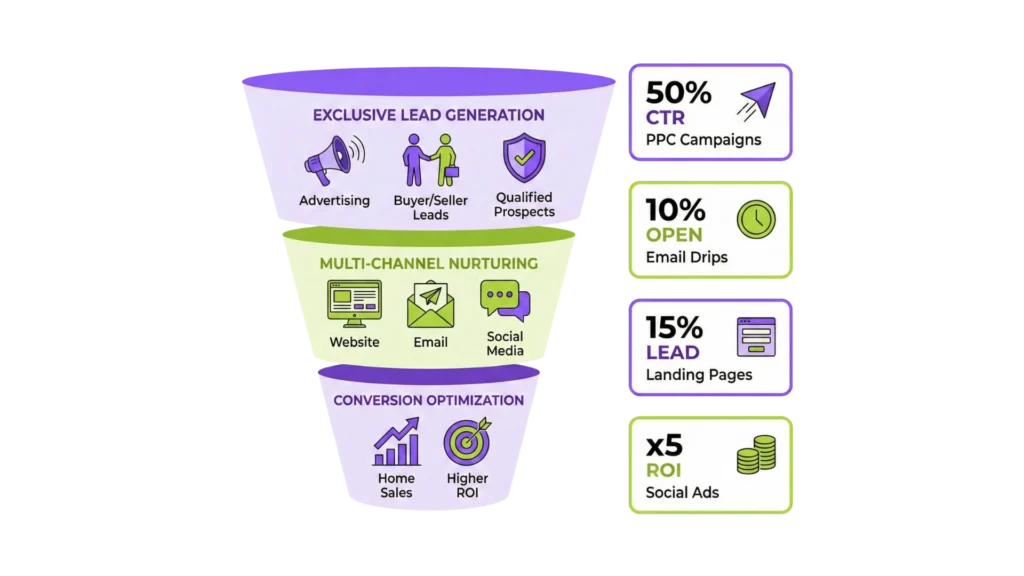
SEO lies at the heart of modern real estate marketing. Your business can shift from chasing prospects to having them find you by understanding how to get more seller leads.
What is SEO Lead Generation?
SEO lead generation helps attract potential sellers through search engine optimization and turns them into valuable leads. Real estate professionals can optimize their online presence. This means your website shows up at the top when potential sellers look for solutions like “sell my house fast” or “best real estate agents near me.”
Real estate seller SEO puts your business right in front of prospects when they need solutions, unlike traditional outbound marketing that pushes messages to potential clients. This strategy targets sellers exactly when they need help, making it a powerful tool to get leads.
The strategy combines keyword targeting, quality content creation, and technical optimization. It also uses conversion-focused elements like compelling calls-to-action and simple lead capture methods. Your site will get traffic and turn visitors into qualified leads consistently.
How SEO is Different From Paid Ads
Real estate SEO works like property you own, while paid ads are like property you rent. Paid advertising gives you quick visibility. SEO builds organic visibility that keeps working without ongoing ad spend.

The financial impact shows clear differences:
- SEO can generate over twice the revenue ($51,724 vs. $23,275) from the same $100,000 marketing investment
- Your cost per lead drops over time once your website ranks well
- SEO builds lasting value, while paid ads stop working when payments end
Paid search might give quick results, but SEO provides lasting growth. Many real estate professionals team up with a real estate SEO agency to build this foundation. SEO needs patience (typically 4-6 months before seeing original results), but the long-term benefits make the wait worthwhile.
Why SEO Leads Are More Qualified
Every lead has a different value. SEO leads often bring better results because they come with natural intent and trust that paid advertising can’t match.
People who discover you through organic search show more motivation because they actively search for solutions and are ready to buy. Websites in organic search results seem more trustworthy than paid ads. Trust matters a lot in real estate, where people make big financial and emotional decisions.

Numbers tell the story—61.7% of homebuyers are more likely to convert over the phone after an organic Google search. Seller lead ranking keywords help you connect with focused prospects. Long-tail phrases like “sell my house fast in [your area]” show higher purchase intent.
SEO leads tend to think over their choices and stay informed. Many motivated sellers skip past ads because they want local businesses they can trust. This means realtor lead generation SEO brings higher quality leads with better conversion rates.
SEO doesn’t just make you visible—it connects your business with the right people at the perfect time. Your website becomes a round-the-clock lead generation system by optimizing for specific real estate seller SEO terms. This attracts qualified prospects who already want what you offer.
Start with the Right Foundation
The right groundwork creates a strong seller lead generation system through SEO. You need to know your target audience, their search behavior, and your competition’s performance in the digital world.
Define Your Target Seller Audience
Your ideal client’s clear picture starts with real estate seller SEO. Look at your past deals to spot patterns among seller clients. Think about their demographics, income levels, and whether they’re young professionals, retirees, or families. These patterns will shape your marketing strategy naturally.
Look beyond basic demographics to get into what drives their decisions. Their values might stem from investment opportunities, family needs, or lifestyle goals. Your message will appeal more when you understand these deeper motivations.
Your existing clients shouldn’t limit your scope. The market might have untapped segments or new opportunities. To name just one example, remote workers might flood your market looking for properties with home offices. Empty nesters might create a market for smaller homes. Smart real estate SEO specialists spot these market moves early.
Conduct Keyword Research For Seller Intent
Your audience’s online search patterns matter once you know who they are. Seller-focused keywords turn leads into clients 5-10x better than buyer keywords. These keywords become vital to your seller lead ranking keywords strategy.
Keywords that show clear intent work best. People actively thinking about selling their property search phrases like “how to sell my house in [your area]” or “cost of selling a home in [location]”.
These tools help find valuable keywords:
- Ahrefs or Google Keyword Planner shows high-traffic terms from local searches
- SEMrush reveals the terms people use to research neighborhoods or compare agents
- Mangools’ Reddit threads finder spots forums where potential sellers share concerns
Long-tail keywords like “units to rent near good schools in [neighborhood]” bring more qualified traffic despite lower search volume. Local searches matter more than national terms. A keyword with 200 monthly searches in your area beats broader terms with tough competition.
Analyze Competitors For Content Gaps
A full picture of your competition shows what works in your market and reveals missed opportunities. Start with your real SEO competitors – not just local agents but all websites ranking for your target keywords.
Tools like Ahrefs or SEMrush help analyze their keyword strategies. Look for valuable keywords they rank for that you don’t, especially long-tail phrases showing seller intent. Their content marketing approach tells a story. What content gets people involved? Their neighborhood guides, seller resources, or market insights might position them as local experts.
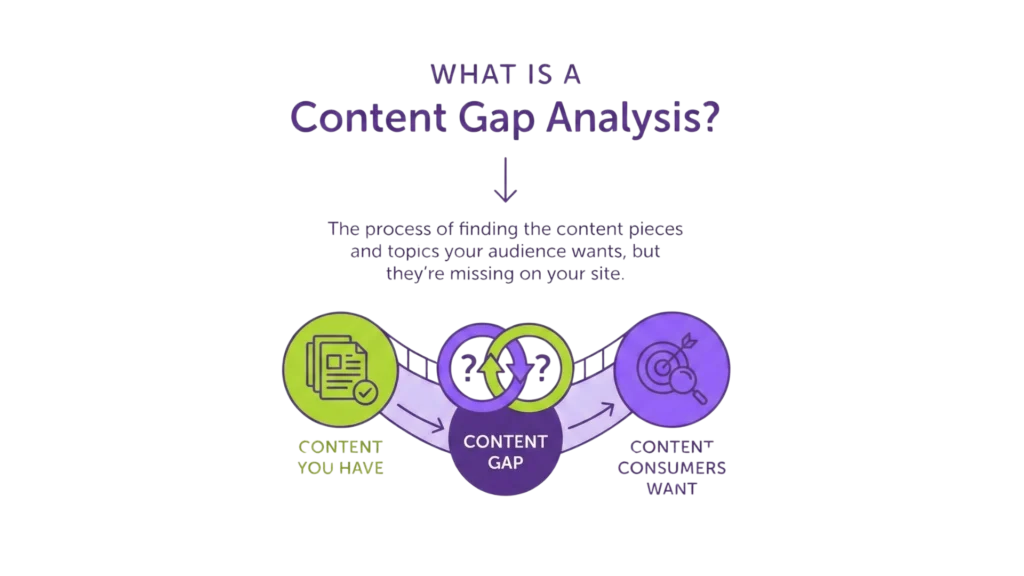
Don’t just copy their playbook. Find questions your audience asks that nobody answers well. Realtor lead generation SEO often shines at the local level. Your competitors might own city-wide searches but miss content about specific neighborhoods, school districts, or community features.
A real estate SEO agency helps build this strategic foundation faster. They’ll target the right audience with content that fills market gaps and beats the competition.
Create Content That Matches Search Intent
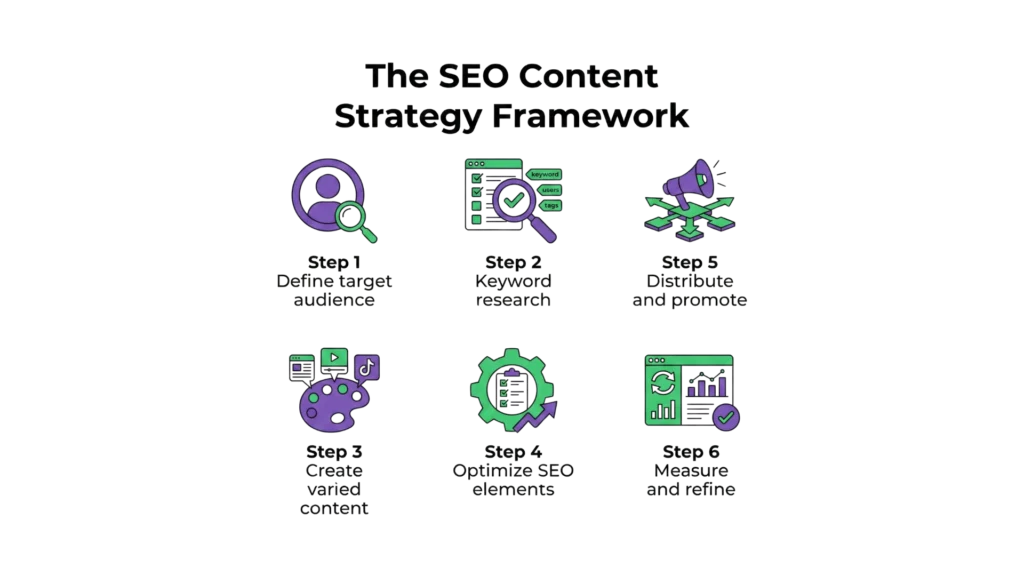
Quality content that lines up with potential sellers’ search queries is the lifeblood of successful real estate seller SEO. Content that appeals to your target audience will improve your search rankings and help you build authority in the real estate market.
Types of Content That Attract Seller Leads
Your seller audience responds to different types of content. A balanced approach is significant to generate maximum leads:
- Blog posts – Educational articles about selling processes, home pricing tips, and neighborhood guides showcase your expertise and boost search visibility
- Video content – Property tours, agent Q&As, and local highlight reels help build trust through visual storytelling
- Market reports – Local trends, pricing data, and market condition analyses show your market knowledge and draw leads looking for exclusive insights
- Neighborhood spotlights – Detailed guides highlighting schools, parks, transport links, and local amenities draw potential sellers researching comparable areas
- Educational resources – Content that answers common seller questions builds credibility and shows you’re a trusted advisor
The most effective content addresses specific questions that sellers ask during face-to-face meetings. This approach will give a direct connection with visitors who find your blog through search. Rather than using your platform to showcase achievements, providing valuable information positions your site as a resource for those who need your expertise.
Using Long-Tail Keywords Effectively
Long-tail keywords—specific, multi-word phrases—pack a punch for realtor lead generation SEO. These targeted phrases may have lower search volume, but they attract visitors who know what they want. Data from 2023 shows that over half of U.S. homebuyers found their properties through internet searches. This makes strategic keyword usage a vital part of connecting with motivated sellers.
Long-tail phrases excel for three main reasons:
Search intent becomes clearer. A search for “real estate agent” could mean anything from job hunting to general information. However, “home for sale Harrisburg PA” shows clear buyer intent.
Competition levels drop significantly. Short, general keywords compete with millions of pages. Longer, specific keywords face fewer relevant pages online, boosting your chances of appearing in search results.
Conversion rates improve. Users who search with long-tail keywords usually know their needs and are closer to making decisions. This leads to higher conversion rates. Long-tail searches have a 36% greater probability of conversion than their short-tail counterparts.
You can find valuable long-tail keywords by focusing on search terms that show seller intent, such as “how to sell my house fast in [your area]” or “what’s my home worth in [neighborhood].”
Avoiding Duplicate Or Generic Content
Duplicate content hurts your real estate SEO efforts. Google defines duplicate content as “substantive blocks of content within or across domains that either completely match other content in the same language or are similar”. This includes exact copies or content with minor changes, like synonym swaps.

Notwithstanding that duplicate content won’t get you banned from search engines, it offers no SEO benefits. The primary issue is that duplicated content adds no value to your website and won’t improve your search rankings.
Real estate websites often face duplicate content issues from:
- Listing descriptions copied straight from MLS feeds
- Neighborhood descriptions are used across multiple pages
- Blog content shared without changes
These practices will help prevent duplicate content problems:
Start by writing original property descriptions instead of copying from MLS listings. Even short, unique descriptions work better than similar ones across multiple sites.
Use canonical tags to show preferred versions of similar content. This helps search engines understand your site’s structure and identify sources.
Run regular site audits for duplicate content using Google Search Console. Focus on fixing high-traffic pages first.
Creating targeted, original content around seller lead ranking keywords helps you become an expert in specific niches instead of competing as a generalist in crowded markets. The best SEO company for real estate professionals will help develop this strategic approach. Your content should directly answer your ideal sellers’ questions.
Optimize Your Website for Performance and Trust
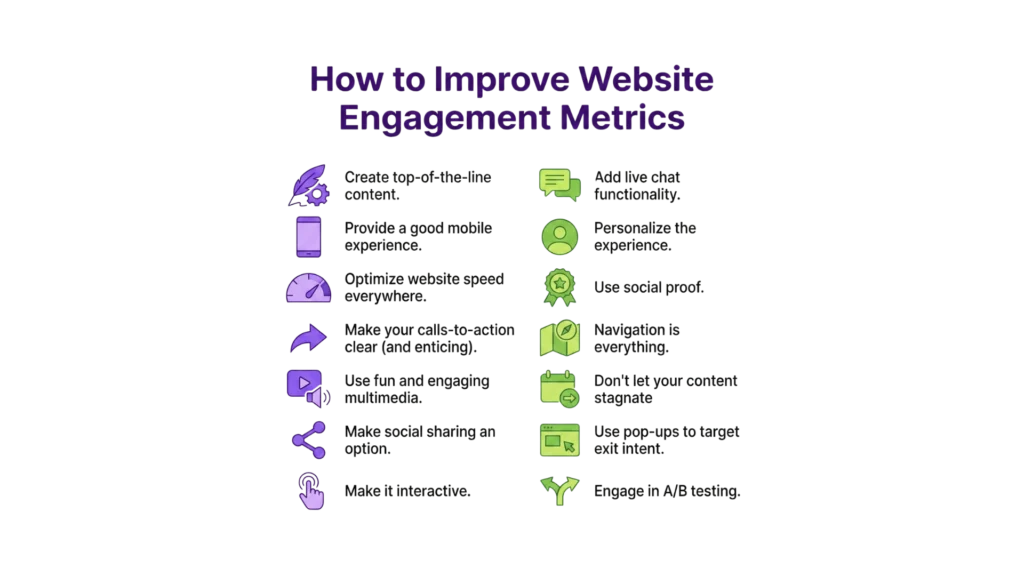
Your website’s technical performance can make or break your real estate seller SEO efforts. The most brilliant content strategy won’t work if potential leads cannot access your site quickly or trust your business enough to share their contact information.
Improve Site Speed And Mobile Usability
Site speed affects visitor retention and search rankings directly. Research shows bounce rates increase by as much as 32% when a website takes three seconds to load instead of one. People form their first impressions within milliseconds. Poor original performance can cost you valuable seller leads before they see your content.
Your website speed needs these optimizations:
- Tools like TinyPNG help compress images without quality loss
- Simple website code works better than unnecessary features
- Browser caching reduces load times for returning visitors
- Content delivery networks (CDNs) distribute content globally
Mobile optimization is vital because over 60% of real estate website visits come from smartphones and tablets. Google ranks websites based on their mobile versions. Your real estate SEO strategy needs mobile-friendly features. The site should have thumb-friendly navigation, readable text without zooming, and properly sized buttons.
Use Clear CTAs and Lead Forms
Strategic calls-to-action help convert visitors by showing them the next steps. CTA buttons should stand out on your pages. They need contrasting colors and specific language that shows value clearly.
Benefit-driven text like “Get My Fair Cash Offer” or “Schedule a Free Home Valuation” works better than generic “Submit” buttons. Place these CTAs after building trust through content, especially near testimonials where visitors feel most confident.
Your lead capture forms should:
- Keep only essential information—3-field forms convert at 25%, while 10-field forms drop to 13%
- Works well on mobile with large input fields and touch-friendly elements
- Use auto-fill features to speed up completion
- Tell users when they’ll hear back
Add Trust Signals Like Reviews And Testimonials
Trust signals show potential seller leads that your business knows its stuff. Online reviews help build trust in real estate. They influence how clients make decisions at every step.
Great testimonials include full names, photos, specific experience details, and real results like days on market or sale price. Put these on your homepage, about page, and service pages where they matter most.
Technical trust elements matter too:
- SSL certificates (HTTPS) protect data
- Professional association badges prove expertise
- Clear contact details with a physical address builds confidence
- Current copyright dates show active maintenance
These trust signals build credibility that helps your realtor lead generation SEO convert more visitors into qualified seller leads. The best SEO company for real estate can help set up these technical features properly. Your site will rank better and turn more visitors into leads.
Want to boost your real estate website’s SEO performance? Check out RankFast’s real estate SEO services for expert help optimizing your site’s performance and trust factors.
Build Authority with Backlinks and Local SEO
Backlinks and local SEO are the foundations of any soaring win in real estate seller SEO. Your next step after optimizing content and website performance is to build trust with search engines by establishing your site as a credible resource.

How To Earn High-Quality Backlinks
Quality matters more than quantity when you build backlinks for your real estate SEO strategy. You need links from respected local sources that show search engines your relevance. The quickest way to start is by writing guest posts for local publications and community blogs. Here are some proven strategies that work:
- Create neighborhood guides that others will naturally want to reference
- Build mutually beneficial alliances with local businesses for link exchanges
- Get mentions by sponsoring local sports teams or community events
- Draw links by publishing unique market reports with valuable data
- Share your expertise on real estate trends with local media outlets
Links from relevant local sites carry more weight than generic ones. Search engines see these community-based connections as strong indicators of your business’s authority in specific areas.
Use Google Business Profile For Local Visibility
Your Google Business Profile (GBP) plays a vital role in realtor lead generation SEO. This tool puts you at the top of local search results—often ahead of your website. After you claim and verify your profile, these optimization tactics will help:
Your NAP (Name, Address, Phone) must match perfectly across all platforms because differences can hurt your rankings. Pick “Real Estate Agency” or “Real Estate Consultant” as your main category and add relevant secondary categories to show up in targeted searches.
Google’s data shows businesses with complete profiles are 2.7 times more likely to be considered reputable by potential clients. Your profile needs regular updates with new listings, events, and photos to show Google your business stays active.
Get Listed In Local Directories
Strategic citation building helps you succeed with real estate seller SEO. Look beyond general directories to industry leaders like Zillow (DA 90), Realtor.com (DA 90), and Redfin (DA 77). These authoritative sites boost your local search presence while bringing referral traffic.
Your NAP information must stay consistent everywhere—small differences can confuse search engines and damage your rankings. Tools like Moz Local or BrightLocal help you spot inconsistencies before they affect your seller lead ranking keywords’ performance.
A specialized real estate SEO agency can streamline these authority-building strategies and make your business stand out when motivated sellers search in your target areas.
Track, Test, and Improve Your SEO Strategy
Real estate seller SEO success depends on continuous measurement and refinement. The implementation stage marks just the beginning. Your long-term success in attracting qualified seller leads relies on performance tracking and informed improvements.
Use GA4 and Search Console for Insights
Google Search Console connected with Google Analytics 4 creates a complete picture of your SEO performance. This powerful duo shows both “before the click” data (impressions, keywords, rankings) and “after the click” data (engagement, conversions, user behavior). You can find which pages gain or lose traffic over time by checking Reports → Engagement → Pages and screens in GA4.
Your organic traffic tracking should:
- Set comparison periods (such as the current 6 months vs. the previous 6 months)
- Sort pages by traffic decline percentage
- Filter for pages with at least 100 sessions
- Export pages showing 20%+ traffic drops
These findings help you identify which real estate SEO elements need optimization.
Update Old Content Regularly
Many believe content updating happens once, but it’s everything in your SEO strategy. AI search engines favor fresh content. Recent research shows URLs cited by AI assistants are 25.7% “fresher” than URLs in standard search results.
Your content updates should follow this priority:
- High-priority content (quarterly): Top traffic drivers and pages ranking positions 4-10
- Medium-priority content (biannually): Pages on the second result page and support content
- Low-priority content (annually): Minimal traffic pages and evergreen content
This organized approach will give your real estate seller SEO lasting relevance.
A/B Test CTAs and Landing Pages
A/B testing removes guesswork from optimization by showing clear evidence of what works. Test these variations before making site-wide changes:
- Headlines and page titles
- Images and visual elements
- Call-to-action button text and colors
Accurate results come from changing one element at a time. Your analysis should focus on click-through rates for engagement campaigns and conversion rates for lead generation efforts.
A real estate SEO agency can help you interpret data correctly and make strategic improvements to your seller lead generation system.
Conclusion
SEO strategies that work can revolutionize how you generate real estate seller leads. This piece shows that SEO goes beyond mere visibility—it connects you with qualified prospects who actively seek your expertise. There’s a huge difference between random online presence and strategic positioning where motivated sellers search.
Local SEO needs your full attention, especially to generate seller leads in specific neighborhoods or communities. Optimizing your Google Business Profile and building quality backlinks from relevant local sources tells search engines that you’re the authority in those areas. This targeted approach brings the exact type of seller leads you want.
The most successful real estate professionals know that SEO needs constant monitoring and refinement. Regular content updates, performance tracking, and testing different approaches help you stay ahead in an ever-changing digital world. To get professional help with your real estate seller SEO strategy, visit RankFast‘s real estate SEO services to learn how our specialized services can help you generate more qualified seller leads.
Note that effective SEO builds momentum over time—today’s work forms the foundation for tomorrow’s success. These proven strategies, once implemented and tracked, will transform your business from chasing leads to having qualified sellers approach you directly.
FAQs
What are some effective types of content for attracting seller leads?
Effective content types include educational blog posts about the selling process, market reports with local pricing data, neighborhood guides, video property tours, and FAQ resources addressing common seller concerns. The key is to provide valuable information that answers specific questions potential sellers are asking.
How important is mobile optimization for real estate SEO?
Mobile optimization is crucial, as over 60% of real estate website visits now come from smartphones and tablets. Google predominantly uses mobile versions of websites for search rankings, making a mobile-friendly design essential for visibility and user experience.
What role do backlinks play in real estate SEO?
Quality backlinks from respected local sources signal your website's authority and relevance to search engines. They help improve your search rankings, especially for location-specific queries. Focus on earning links from local publications, community blogs, and industry-specific platforms.
How can I track the success of my real estate SEO efforts?
Use tools like Google Analytics 4 and Google Search Console to track key metrics such as organic traffic, keyword rankings, and conversion rates. Regularly analyze which pages are gaining or losing traffic, update content accordingly, and A/B test elements like CTAs and landing pages to continually improve performance.