Google’s search generative experience SEO changes how customers find your business online. Recent data shows that 59% of searches now result in zero-click outcomes. This could reduce your website traffic, leads, and revenue. Google’s SGE doesn’t appear for all queries yet, and its effects vary by industry. The beauty sector achieves 94% query coverage, whereas the financial sector exhibits only 47% SGE coverage.
Your SEO strategy must adapt to this search change. AI Overviews now appear at the top of search results and push organic listings down by more than 140%. This changes how users behave online. A survey reveals that 35% of marketers have seen SGE reduce their organic traffic. Each business sector needs different SGE optimization methods. Enterprise SEO services must develop new ways to handle these challenges. Traditional enterprise SEO firms need new tactics to drive organic growth as AI snippets become more prominent in this new digital world.
SGE Rollout And Industry Coverage Trends
Search generative experience SEO has different levels of influence on various industries. This affects how brands need to plan their digital visibility strategies. Google’s deployment of SGE shows some unexpected patterns across different sectors.
SGE Penetration by Vertical: Health Vs Finance Vs Travel
AI-generated results appear in 76% of healthcare queries. The healthcare sector leads with 70% of searches showing collapsed SGE results without user opt-in. The financial sector tells a different story. Only 17% of queries trigger SGE, and just 5% show collapsed results. Travel sits between these extremes, with 30% of queries getting SGE treatment.
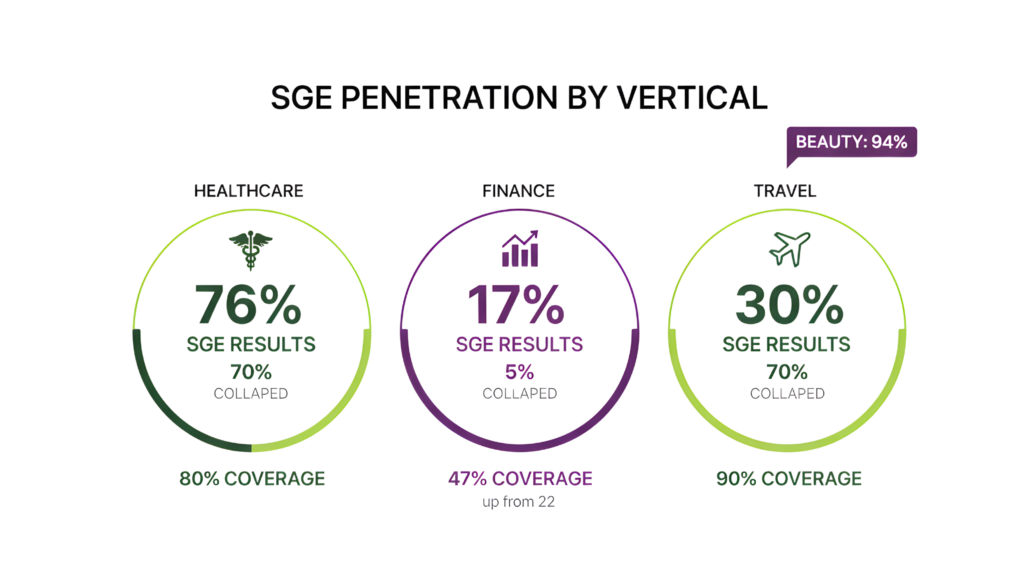
A study of 500,000 queries shows that SGE covers 80-90% of most sectors. Despite that, some notable differences exist:
- Healthcare reaches nearly 80% coverage despite its YMYL status
- Beauty industry tops the list at 94% query coverage
- The financial sector sits at 47% coverage, up from 22% in July 2023
These differences come from Google’s varying confidence levels in delivering accurate information in each field.
YMYL Content and E-E-A-T Influence on SGE Visibility
YMYL categories show lower SGE presence. Insurance (52%), Finance (71%), Professional Services (83%), and Health & Wellness (87%) trail behind other sectors. Google takes this careful approach because these topics can affect users’ “happiness, health, financial stability, or safety”.
E-E-A-T signals play a crucial role in how Google evaluates YMYL content. Enterprise SEO services need to showcase these qualities through:
- Expert authors with clear credentials
- External reputation indicators
- Detailed, accurate content that puts user safety first
The financial sector stands out with 52% of queries showing no SGE results at all. This suggests Google’s careful approach in areas where wrong information could be harmful.
SGE Growth Timeline: June 2023 to April 2024
SGE has grown steadily across sectors since its launch. Financial topics started with 22% coverage in June 2023 and reached 47% by April 2024. The way SGE delivers content has also changed:
June 2023: 58% auto-generated vs 13% manually triggered, November 2023: 48% auto-generated vs 31% manually triggered, March 2024: 46% auto-generated vs 27% manually triggered
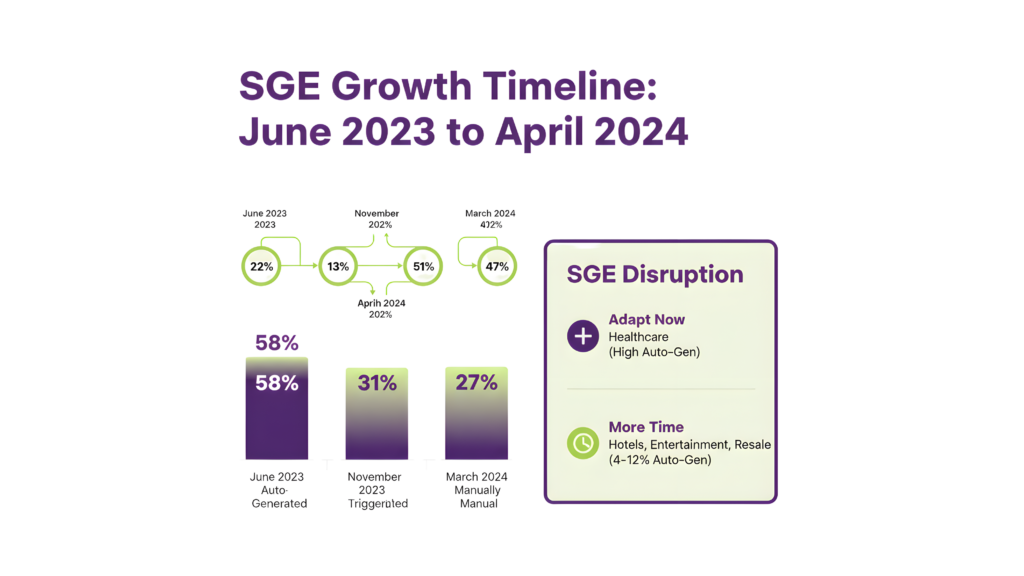
These numbers show a slight decrease in automatic generation. Google seems to be fine-tuning when AI answers work best. Some industries will face SGE disruption earlier than others. Healthcare organizations need to adapt now because of high automatic generation rates. Hotels, entertainment, and real estate businesses have more time to prepare their enterprise SEO strategies since they only see 4-12% automatic SGE generation.
Auto-Generated Vs. Manual SGE Results
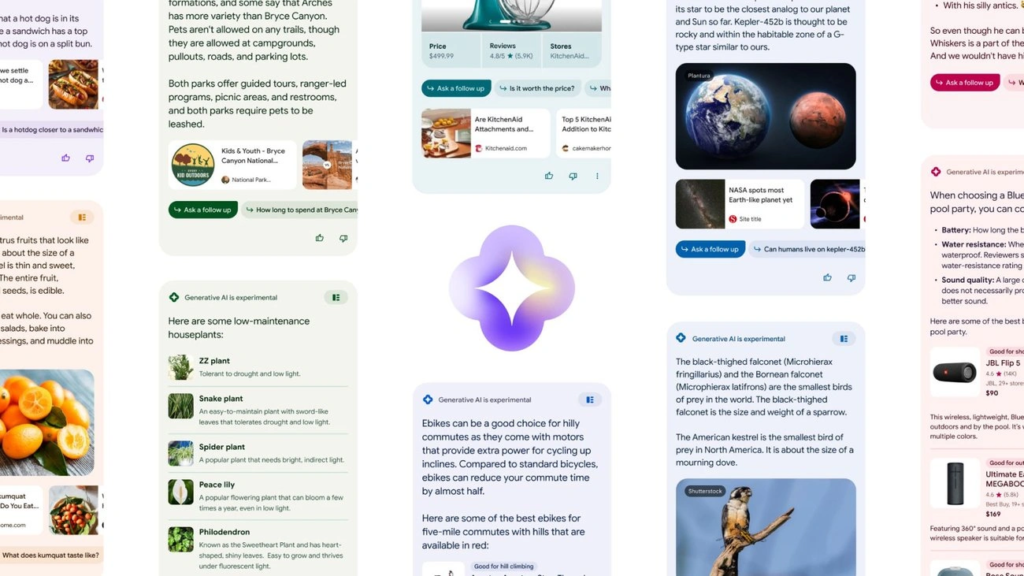
Your visibility strategy depends on knowing how Google displays search generative experience SEO results. The platform shows results in two ways: auto-generated results and results that need manual activation.
Trigger Behavior: When Does the ‘Generate’ Button Appear?
Google chooses to auto-generate SGE results or show a “Generate” button based on search contexts. Right now, approximately 33% of searches get SGE results automatically, while users need to click the generate button for the other 66%. These numbers have changed a lot since SGE started. Auto-generated results dropped from 58% in June 2023 to 46% by March 2024.
User interaction history seems to affect whether results appear automatically. People who use SGE often tend to see more auto-generated results in their future searches. Local searches work differently, too. About 56% of local queries auto-generate SGE displays, 34% show the generate button, and only 10% don’t show any SGE display.
Viewport Impact: 905px Pushdown and User Attention
Auto-generated SGE results push regular organic results down by 905 pixels on average. This big change affects how users pay attention and click on results. Some studies show even bigger effects, with featured snippets pushing content down by 1,014 pixels when they include generative content.
Different industries see varying pushdown effects. eCommerce and retail searches can see drops of about 1,500 pixels. Users might need to scroll down to see your regular organic listings, which could lead to fewer clicks and views.
Vertical-Specific Ratios: Health Vs Hotels Vs Real Estate
Each industry shows different auto-generation rates:
- Health: 68% auto-generated SGE results with only 9% showing the generate button
- Hotels & Entertainment: Just 4-6% auto-generated SGE pages, with 77% displaying the generate button
- Real Estate: Like hotels, with very few automatic generations
These differences create unique challenges in each industry. Healthcare content now competes with AI-generated overviews in most relevant searches. Hotel and entertainment businesses face less disruption now, but Google might change this approach later.
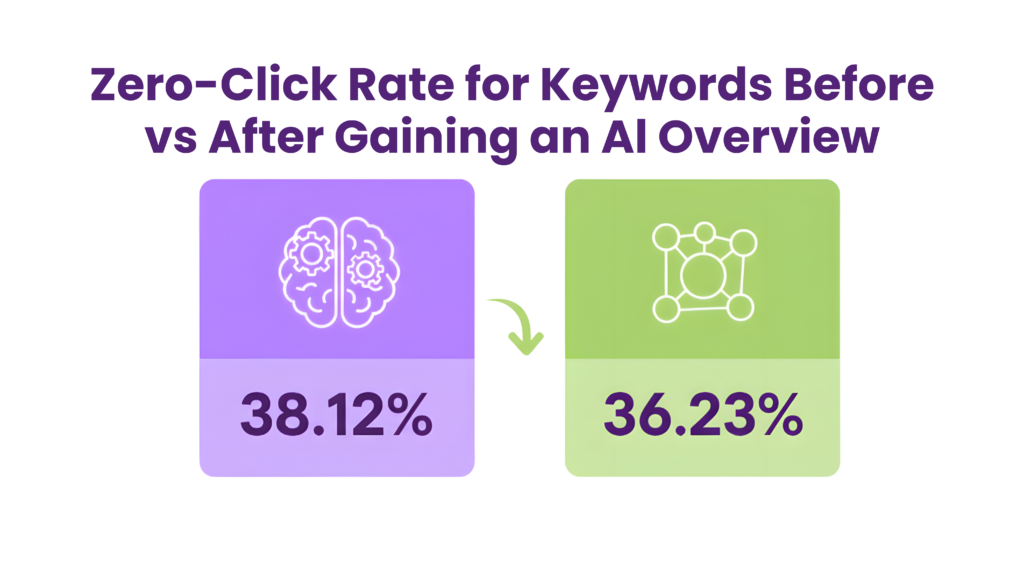
Google seems to test carefully when automatic generation helps users best. Enterprise SEO services need to understand these industry differences to create targeted SGE strategies that work.
SGE Source Count and Click-Through Implications
Source attribution patterns in search generative experience SEO affect how users interact with your content. Your industry type determines how many sources get cited in SGE results, which creates uneven opportunities to get visibility and clicks.
Average Number of Sources: 3 vs 5 Sources Per Query
Your industry vertical determines how many sources Google cites in SGE results. SGE content typically shows 10.2 links from 4 unique domains. The numbers vary quite a bit across different sectors:
- Finance and hotel verticals: About 3 sources per query
- Health and medical: About 4 sources per query
- Home services: 4-5 sources
- Retail and eCommerce: 5+ sources
These differences affect your chances of being visible. Finance queries with fewer sources might get you more clicks per citation, but you’ll have fewer chances to be mentioned. Retail queries cite more sources, so you have better chances of showing up, but each source gets fewer clicks.
Zero-Source Queries: 5% of SGE Results With No Attribution
What’s really worrying for your business is that about 5% of SGE results show answers without citing any external sources. These “zero-source” responses mean complete traffic loss because Google uses its internal knowledge base to generate answers without sending users to any website.
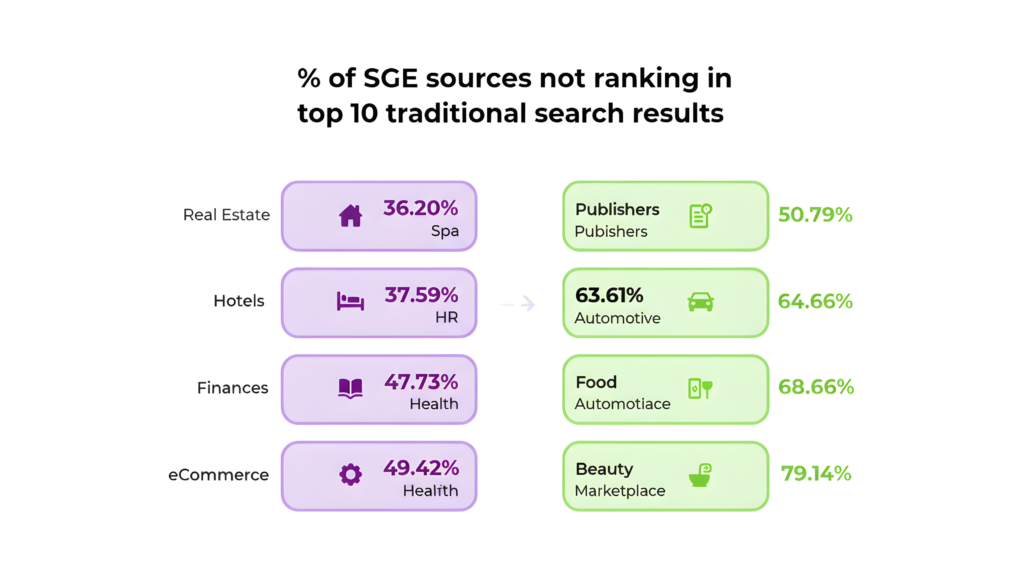
Research shows that over 40% of SGE results don’t share any sources with the regular top 10 search results. This means ranking well in normal search won’t guarantee you’ll show up in SGE, so you need new ways to optimize.
Carousel Ranking: Left-to-Right Visibility And CTR Impact
SGE results with multiple sources create a new ranking system based on horizontal arrangement. Sources on the far left get way more visibility and clicks than those you need to scroll right to see.
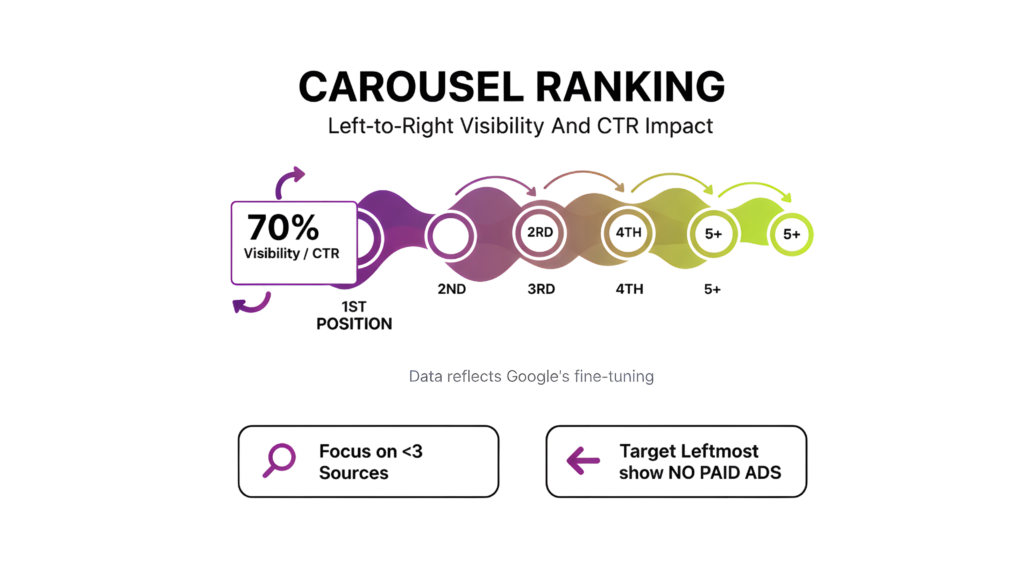
To get the best results:
- Focus on queries that show fewer total sources (3 vs 5+)
- Try to appear in the first three leftmost positions that users see without scrolling
- Keep track of zero-source query trends in your industry
Right now, 70% of SGE searches don’t show any paid ads in the SERP, which means more competition for the limited organic spots. Your enterprise SEO strategy needs to consider this horizontal positioning just as much as traditional vertical ranking, as it’s a whole new way to optimize.
SGE vs Traditional SEO Rankings
SEO for traditional search and generative experience is different from regular ranking strategies. This creates a new way to think about digital visibility. Recent studies show major gaps between these two approaches, and you need to rethink how you optimize.
Why Traditional Rankings Don’t Translate to SGE
The numbers tell a compelling story. A surprising 93.8% of SGE answers don’t match any links from Google’s top 10 organic results. Only 57% of SGE-cited links come from the first page of organic results. Getting a top spot in traditional search results doesn’t guarantee you’ll show up in SGE.
SEO used to focus on keyword optimization to get traffic. Now, with SGE becoming more common, we need to understand and address what users want. Just ranking for popular keywords isn’t enough because SGE looks at how well your content answers specific questions.
SGE Algorithm Priorities: Authority, Structure, and Relevance
SGE looks at content differently than traditional algorithms. The main focus areas are:
- Authority and Trust: Experience, Expertise, Authoritativeness, and Trustworthiness (E-E-A-T) signals matter a lot, especially for YMYL topics
- Content Structure: AI systems need clear headings, bullet points, and structured data to understand information better
- Complete Answers: Your content should answer user questions directly instead of just including relevant keywords
Your content needs to be AI-friendly. Schema markup helps search engines understand context and increases your chances of appearing in AI-generated summaries.
Enterprise SEO Services: Adapting to SGE’s New Rules
Enterprise SEO firms must change their strategies significantly. Success depends on:
- Adding SGE readiness to client strategies instead of just focusing on traditional rankings
- Creating new KPIs like “queries for which our content appears in SGE results”
- Adding SGE-specific factors to optimization checklists along with traditional elements
As SGE continues to grow, SEO services must review content structure for clarity. They need to use schema markup correctly and make sure each page gives complete, authoritative answers. This isn’t just a small change – it’s a complete rethinking of what makes search marketing successful.
Prioritizing SGE Optimization for Organic Growth
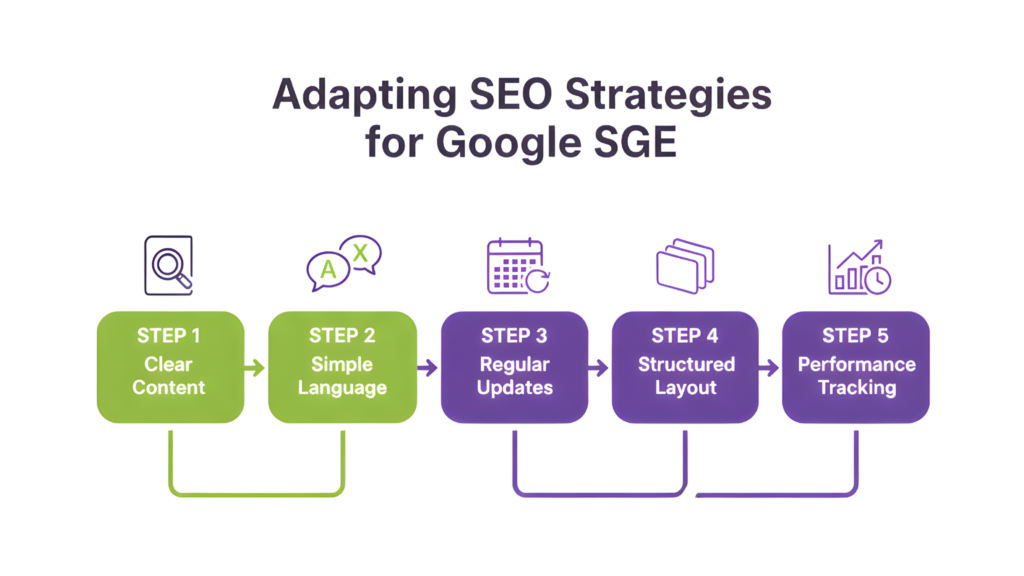
A structured approach that puts high-impact chances first is essential for successful search generative experience SEO strategies. Your success depends on smart segmentation, consistent measurement, and putting your resources where they matter most.
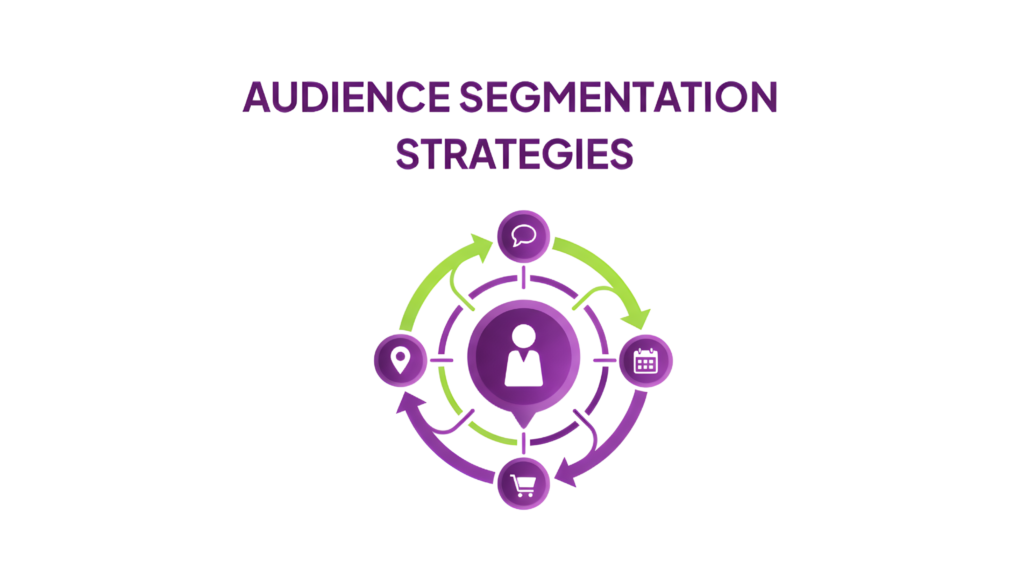
Segmenting Queries: Auto Vs Manual SGE Buckets
Your target keywords need to be split into two distinct segments—those that trigger automatic SGE results and those that need manual generation. This smart division helps you use your resources quickly.
Auto-generated SGE results affect users right away, which makes them your top priority for optimization. Recent data shows about 46% of queries create SGE responses automatically, while 27% show the “generate” button. The best strategy is to start with auto-generated queries for quick wins and then move to manual-trigger terms.
Tracking SGE Coverage Over Time
Your SGE performance needs regular monitoring systems. Studies reveal that SGE visibility changes based on industry and query type. Tools like SEOClarity Labs or Authoritas help track your domain’s presence in AI summaries. Your monthly reviews should look at SGE mentions, new conversational keywords bringing traffic, and engagement metrics beyond clicks. Small, steady improvements work better than big, occasional updates.
Optimizing for High-CTR Queries with Fewer Sources
The best results come from queries that show fewer total sources in SGE results. Keywords with only 3-5 sources get much better CTR than those with many citations. Your focus should be on:
- Queries with limited source counts (3 instead of 5+) to get better visibility
- Left-positioned carousel placement, since sources on the far left get many more clicks
- Content with clear structure using headings, lists, and schema markup that AI can parse easily
Looking at source count patterns in your industry regularly helps you find these valuable keywords.
Comparison Table
| Aspect | Traditional SEO | Search Generative Experience (SGE) |
| Organic Result Position | Standard vertical listing | Pushed down by 905-1,014 pixels |
| Source Attribution | Appears in standard top 10 results | Average 10.2 links from 4 unique domains |
| Ranking Correlation | Traditional top 10 rankings | 93.8% of SGE answers don’t match top 10 organic results |
| Display Format | Fixed listing format | Auto-generated (46%) or Manual trigger (27%) |
| Industry Coverage | Consistent across sectors | Varies substantially (Beauty: 94%, Finance: 47%) |
| Content Priority | Keyword optimization focused | E-E-A-T signals, content structure, complete answers |
| Traffic Effect | Standard click-through patterns | 59% of searches end in zero-clicks |
| Healthcare Coverage | Standard ranking system | 76% of queries show SGE results |
| Financial Sector Coverage | Standard ranking system | Only 17% of queries trigger SGE |
| Content Structure Requirements | Simple SEO formatting | Clear headings, bullet points, structured data for AI parsing |
| Source Visibility | Based on vertical ranking | Left-to-right carousel placement affects CTR |
| Zero-Source Results | N/A | 5% of SGE results show no attribution |
Conclusion
SGE marks a major change in search marketing that will change how your business gains organic visibility. Our analysis shows that traditional SEO metrics no longer match SGE success, as 93.8% of SGE answers differ from Google’s top 10 organic results. Your SEO strategy needs to adapt.
Different industries show varied results. Healthcare sees 76% SGE coverage while financial sectors show only 17%. These numbers create unique challenges and opportunities for your business. Companies that adapt their content to SGE requirements will gain advantages over competitors who stick to traditional ranking factors.
RankFast’s SERP Rank Checker helps track your performance in both traditional rankings and SGE results. This gives you complete visibility into your digital presence. Their specialized PPC services offer alternative traffic sources while you adjust your organic strategy to meet SGE requirements.
SGE and traditional SEO competition will shape organic growth strategies in the coming years. Businesses that accept these changes rather than resist them will succeed in the new search world. Your business can lead this transformation or fall behind—you decide.
FAQs
Q1. How does Search Generative Experience (SGE) differ from traditional SEO?
SGE focuses on AI-generated summaries that prioritize comprehensive answers and content structure, while traditional SEO emphasizes keyword optimization and rankings. SGE results often don’t match top organic listings, requiring a new approach to visibility.
Q2. What impact does SGE have on organic search results?
SGE pushes traditional organic results down by an average of 905 pixels, significantly altering user attention and click behavior. This can lead to reduced visibility for conventional organic listings, especially in industries with high SGE coverage.
Q3. How does SGE coverage vary across different industries?
SGE coverage varies dramatically by industry. For example, the healthcare sector sees SGE results for 76% of queries, while the financial sector experiences only 17% coverage. This disparity creates unique challenges and opportunities for businesses in different verticals.
Q4. What are the key factors for optimizing content for SGE?
To optimize for SGE, focus on demonstrating expertise, experience, authoritativeness, and trustworthiness (E-E-A-T). Structure your content with clear headings, bullet points, and schema markup to help AI systems understand and extract information effectively.
Q5. How should businesses adapt their SEO strategies for SGE?
Businesses should segment their target keywords based on whether they trigger automatic or manual SGE results. Prioritize optimizing for queries with fewer total sources in SGE results, aim for left-positioned carousel placement, and focus on providing comprehensive answers to user questions rather than just targeting keywords.