
A striking 88% of patients do online research before they book appointments with healthcare providers. This statistic expresses why building trust is a vital part of investing in healthcare SEO service. Research shows that online information influences 72% of patient decisions. Your digital presence plays a significant role in attracting new patients.
Google treats healthcare topics as “Your Money or Your Life” (YMYL) content. Medical websites face higher scrutiny because of this classification. E-E-A-T (Experience, Expertise, Authoritativeness, and Trustworthiness) is a significant framework here. While E-E-A-T isn’t a direct ranking algorithm, Google uses it to review content quality, especially when you have pages that affect someone’s health.
Your healthcare organization needs strong trust signals in content. These signals help improve SEO performance, build patient trust, boost conversions, and maintain regulatory compliance. More patients now use search engines to review clinics, hospitals, and practitioners before scheduling appointments. Your digital strategy should focus on building credibility in a competitive marketplace.
So, let’s guide you through implementing E-E-A-T principles. You’ll learn how to excel in healthcare SEO and gain both Google’s approval and your patients’ confidence.
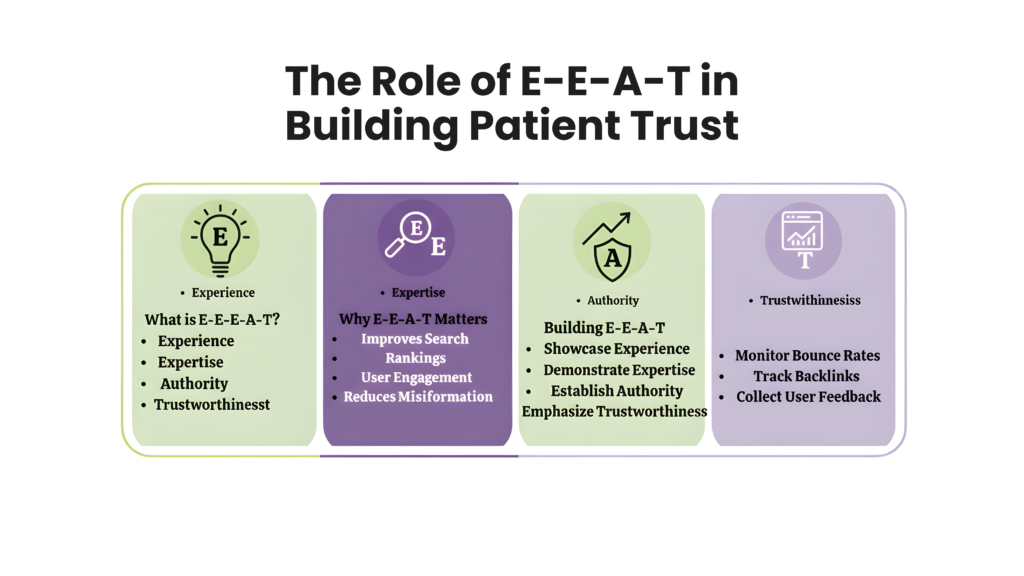
The Role of E-E-A-T in Building Patient Trust
Trustworthiness serves as the lifeblood of any digital strategy in healthcare. Potential patients make split-second decisions about staying or leaving your medical website based on their first impression.
Why Trust Is The Foundation Of Healthcare SEO
Trust powers healthcare SEO because Google labels medical topics as “Your Money or Your Life” (YMYL) content. Healthcare websites face tougher scrutiny than almost any other industry. Research shows that 75% of people judge a business’s credibility based on website design alone. Trust signals matter both for ranking and patient acquisition.
Google prioritizes E-E-A-T (Experience, Expertise, Authoritativeness, and Trustworthiness) principles for medical websites. These guidelines shape your healthcare site’s rankings and how patients see your credibility.
Potential patients visit your site in vulnerable states. They need reassurance, expertise, and quick answers to health questions. Your content must signal trustworthiness immediately, or patients will look elsewhere. E-E-A-T becomes crucial not just for SEO rankings but to meet real patient needs.
How E-E-A-T Relates To Patient-Intent Keywords
Patient-intent keywords mirror specific concerns or questions. Good E-E-A-T implementation tackles these searches by matching content with trust signals patients want.
Let’s look at an example: someone searches for “dentist near me.” Two websites pop up in the results. The first shows the doctor’s credentials clearly, has recent patient reviews, and uses a secure, professional design.

The second looks old with unclear information and no visible credentials. The choice becomes obvious. This shows how E-E-A-T naturally fits patient search intent.
Patients who search for healthcare information look for:
- Content written or reviewed by qualified medical professionals
- Clear indication of medical credentials and experience
- Evidence-based information with proper citations
- Transparency about the content creation process
- Updated information reflecting current medical consensus
Your SEO strategy built around these elements will naturally rank for patient-intent keywords while building trust.
Effect Of Trust On Bounce Rates And Conversions
Trust shapes how patients interact with your website. Visitors who don’t trust your site leave quickly—pushing up bounce rates and dropping conversions.
Studies reveal that even color choices affect patient behavior. Blue tones boost trust by 34%. Real photos, professional headshots, and clean layouts show the same care patients expect in clinical settings.
Healthcare patients tend to be smart consumers from higher education and income groups. They want premium experiences that match premium care standards. A thoughtful E-E-A-T approach doesn’t just cut bounce rates—it builds the confidence needed for conversion.
A professional website removes doubts that stop patients from booking appointments. Patients spend more time on trustworthy websites. They learn about your services and grow confident in your expertise. More engagement leads to higher conversion rates and more patient acquisitions.
How to Implement E-E-A-T in Your SEO Strategy
Your healthcare SEO strategy needs consistency and purpose to implement E-E-A-T principles, not a complete digital makeover. Research shows 47% of people worry that online health information tries to sell them something instead of providing accurate details. You can gain a competitive edge by building credibility. Here’s how your medical practice can make E-E-A-T work.

Create Content With Expert Review And Attribution
Qualified medical professionals must participate in your content creation process to establish expertise. Your content might mislead consumers, hurt your reputation, and drop in search rankings without accurate, unique medical knowledge from practitioners.
You can implement this by:
- Creating an editorial workflow from conception to publication
- Getting medical professionals to review content for accuracy
- Showing author names, credentials, and qualifications clearly
- Building team pages that showcase staff expertise and specializations
Medical experts help create accurate, evidence-based, reliable, and objective content. Expert-reviewed content builds lasting patient trust in an industry where credibility matters most.
Use Simple Language And Avoid Medical Jargon
Healthcare uses complex terminology, but your content should be available to everyone. 1 in 3 adults has low health literacy, which makes simple language necessary.

The Plain Writing Act of 2010 requires federal agencies to communicate with the public in plain language. Your healthcare SEO strategy should:
- Write at your audience’s reading level
- Break complex ideas into digestible chunks
- Use everyday words instead of medical terms
- Put the most important information first
- Keep sentences under 20 words
Ann Key from Aha Media Group says, “There’s no place for jargon in healthcare content—especially when you’re writing for a patient or caregiver audience. Accessing reliable health information should be the easiest part of the patient experience”.
Update Old Content To Reflect New Research
Healthcare information changes faster than ever. Your reputation could suffer and legal risks might arise from outdated content that spreads misinformation.
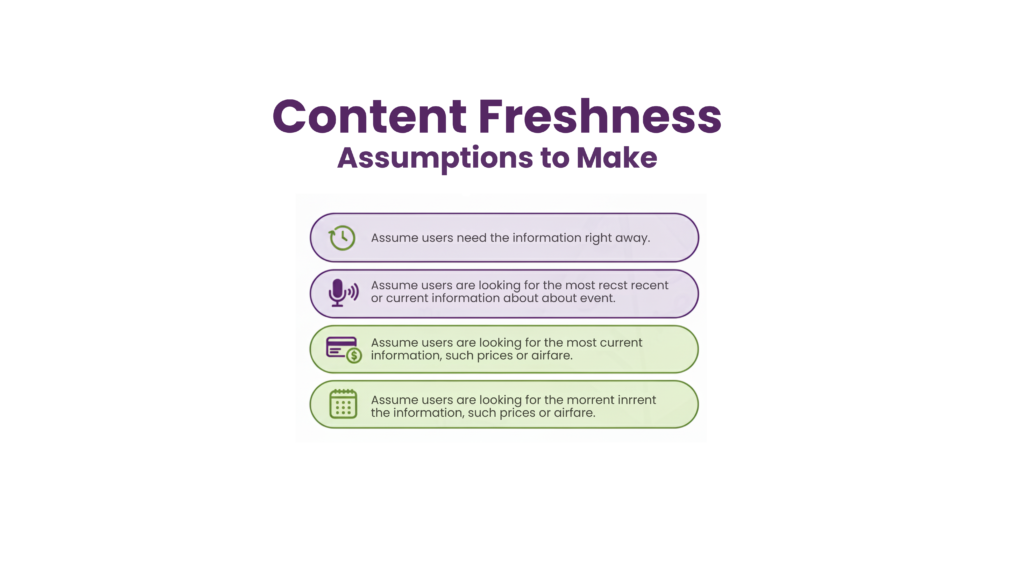
Keep your content current by:
- Running regular content audits to find outdated information
- Updating content when new health guidelines come out
- Removing old treatments and adding new options to your practice provides
- Making sure all information matches the current medical consensus
- Adding recent studies and research to back up claims
To cite an instance, see how healthcare websites needed quick updates when the American Cancer Society changed the recommended age for colorectal cancer screenings from 50 to 45 in May 2018. Outdated critical information spreads misinformation and makes your practice look behind the times.
Your healthcare SEO strategy needs constant attention to implement E-E-A-T properly. Expert-reviewed content, plain language, and regular updates are the foundations of trust that search engines and patients reward in today’s competitive healthcare market.
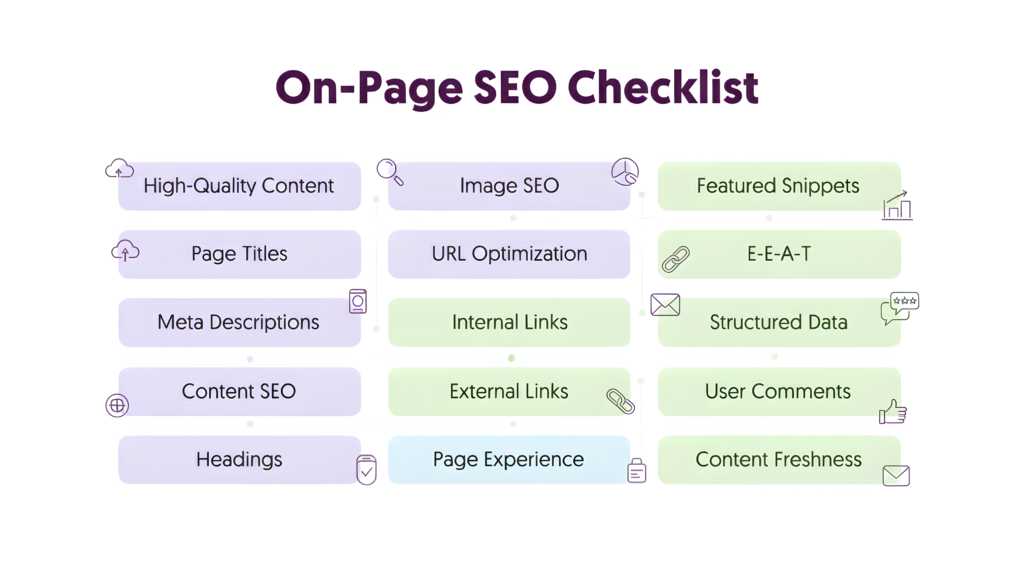
On-Site SEO Techniques That Reinforce Trust
Your website acts as your digital front door in healthcare marketing. Studies show 75% of users evaluate a company’s credibility based on website design alone. The right on-site SEO techniques build trust with both search engines and potential patients looking for healthcare services.
Build Detailed About And Contact Pages
Potential patients carefully examine your About and Contact pages before making decisions. Medical practices that don’t make it easy for patients to reach them quickly lose trust.
Your pages should include:
- Clear contact details with multiple options (phone, email, address, hours)
- Easy-to-spot emergency contact information
- HIPAA-compliant contact forms and 2-way texting options
- Detailed staff bios highlighting education, specialties, and achievements
The way you present information shows your practice’s attention to detail. Contact information serves both patients and search engines, which use this data to confirm your legitimacy and local relevance for healthcare SEO service.
Showcase Medical Credentials And Affiliations
Your website should mirror a credential wall. Professional certifications and hospital affiliations need prominent placement as they validate your expertise.

Best practices for showcasing credentials:
- Feature digital badges from medical boards and institutions
- Add hospital affiliation logos in your footer
- Include “Content Reviewed By” physician badges under SEO content
- Add AI disclosure notes when AI tools help create content
These digital trust signals work like the framed certificates in your office. 91% of consumers trust online reviews as much as personal recommendations. Visible credentials build immediate credibility with search engines and patients alike.
Use Clean Design And Mobile-Friendly Layouts
A messy, outdated website suggests outdated medical practices. Patients in 2025 compare your healthcare website to the major consumer sites they use every day. Professional, clean design has become essential for healthcare SEO success.
Essential technical elements include:
- SSL certificates properly set up (the padlock in address bars)
- Quick loading speeds on every device
- Mobile responsiveness (60% of web traffic comes from mobile)
- Clear navigation with accessible menus
Mobile optimization matters more than ever since Google now looks at the mobile version of your site first. Poor smartphone performance signals outdated technology and lack of attention to detail.
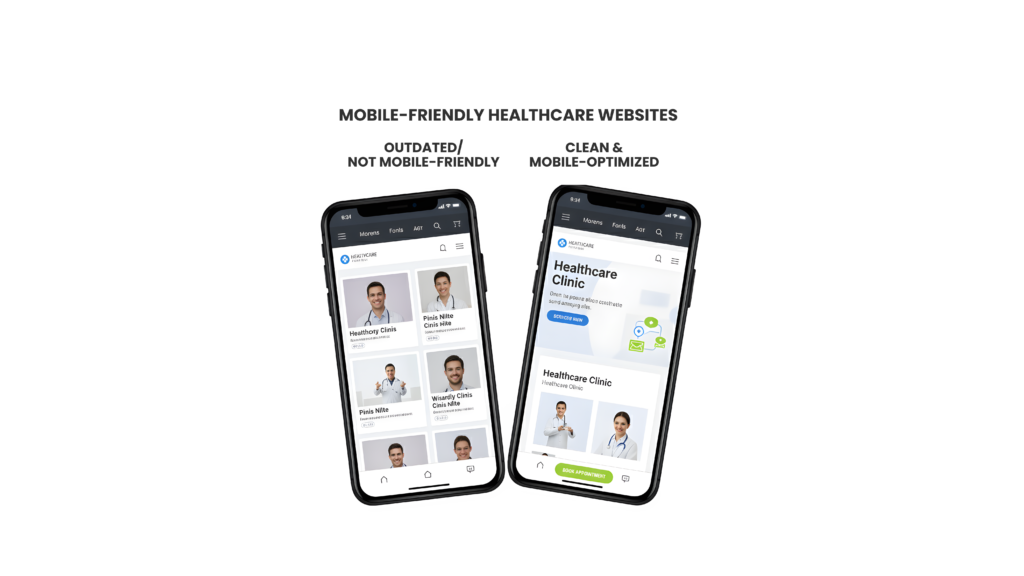
Design accessibility plays a crucial role. About 18% of people live with some type of disability, which makes accessible design crucial to reach your entire patient community. Your site needs good color contrast, clear fonts, and navigation that works for everyone.
These on-site SEO techniques help your healthcare organization build a strong technical foundation that earns patient trust. Patients do extensive research before scheduling appointments—your website must showcase your medical expertise through both content and presentation.
Off-Site SEO and Reputation Management
Your healthcare organization’s reputation goes well beyond your website. A trustworthy presence needs complete off-site strategies that work with your on-site efforts. Here’s how you can build a stronger digital footprint in the healthcare ecosystem.
Earn Backlinks From Medical Directories And Journals
Backlinks work like digital endorsements for your medical practice. They signal trustworthiness to patients and search engines. Quality backlinks from respected healthcare sources boost your credibility by a lot.

Your practice should appear in trusted healthcare directories like Healthgrades, ZocDoc, and Vitals. These platforms give you essential backlinks and make your local search visibility better.
Here are some advanced backlink strategies to think about:
- Join medical community organizations and boards in your specialty
- Present at medical conferences to show your expertise
- Publish research or share expert knowledge in healthcare publications
- Support health-related nonprofits that match your practice’s mission
Encourage And Respond To Patient Reviews
Patient reviews shape your online reputation. 77% of patients read reviews before they book consultations. Getting feedback helps you build positive reviews.
Your review responses must follow HIPAA compliance rules. Never confirm someone is a patient or mention their treatment in public responses. You should create pre-approved response templates that:
- Thank reviewers without confirming patient status
- Address concerns in general terms
- Take detailed conversations offline
- Give secure contact methods for follow-up
About 89% of consumers look at business responses to reviews before making decisions. Good responses show professionalism and dedication to patient satisfaction.
Maintain Consistent NAP Across Platforms
NAP (Name, Address, Phone number) consistency is the life-blood of local healthcare SEO. 41% of businesses show inconsistent listings, making it the biggest problem affecting local search rankings.

Small differences in your NAP information can make search engines doubt your legitimacy. This drops your local search ranking. About 80% of consumers don’t trust businesses that show different details online.
Keep your NAP consistent by:
- Checking your online listings regularly
- Making sure information is accurate everywhere
- Updating all directories at once when things change
- Verifying social profiles have matching information
Engage On Social Media With Educational Content
Social media platforms are a great way to get healthcare education across and build trust. They make information available to everyone with just a click.
Healthcare education on social platforms helps:
- Close literacy gaps with easy-to-access information
- Push patient advocacy for better care
- Curb health misinformation with expert views
Facebook, LinkedIn, and Instagram let you share health information with wide audiences. You can make complex medical information easier to understand. Create infographics, educational videos, and content that makes healthcare information interesting and easy to grasp.
Why Choose Rankfast for Healthcare SEO
Your online success in competitive medical markets depends on picking the right healthcare SEO service provider. RankFast excels with specialized healthcare expertise and strict compliance with HIPAA, GDPR, and PDPA. Their specialists understand healthcare websites’ unique challenges, unlike general digital agencies.
- RankFast creates marketing plans that match your practice’s exact needs. Their integrated approach gets into every digital channel to spot gaps and enhance your complete online presence—from product pages to blogs and social media.
- Their edge comes from their multiregional strategy across India, the UAE, and the US. They ensure campaigns stay culturally and linguistically relevant. A dedicated team of SEO strategists, technical experts, and healthcare content creators work together to deliver measurable results.
- Healthcare marketing needs solid financial returns. Well-executed campaigns deliver returns of 5:1 to 10:1, making your investment a big deal. A ₹168,760 investment that generates ₹506,282 from new patients gives you a 200% return.
- RankFast knows healthcare SEO goes beyond algorithms—it helps patients find care when they need it most. Their well-laid-out monitoring focuses on what counts: visibility, traffic, calls, and actual patient bookings.
Want to boost your healthcare practice’s online presence? Visit RankFast’s SEO services page to see how they can help your practice grow online.
FAQs
Q1. What is E-E-A-T and why is it important for healthcare websites?
E-E-A-T stands for Experience, Expertise, Authoritativeness, and Trustworthiness. It’s crucial for healthcare websites because it helps establish credibility and trust with both search engines and potential patients, especially given that medical topics are considered sensitive “Your Money or Your Life” content.
Q2. How can healthcare providers improve their website’s trustworthiness?
Healthcare providers can enhance their website’s trustworthiness by creating expert-reviewed content, using simple language, regularly updating information, building detailed About and Contact pages, showcasing medical credentials, and ensuring a clean, mobile-friendly design.
Q3. Why is consistent NAP information important for healthcare SEO?
Consistent NAP (Name, Address, Phone number) information across all online platforms is essential for healthcare SEO because it helps search engines verify your practice’s legitimacy and improves local search rankings. Inconsistencies can confuse both search engines and potential patients.
Q4. How do patient reviews impact healthcare SEO?
Patient reviews significantly influence healthcare SEO and online reputation. They not only affect search rankings but also play a crucial role in patient decision-making, with a majority of patients reading reviews before booking consultations. Encouraging and properly responding to reviews is vital for building trust.
Q5. What role does social media play in healthcare SEO?
Social media platforms serve as powerful channels for healthcare education and trust-building. They allow healthcare providers to distribute accessible health information, combat misinformation, and engage with a wider audience. Sharing educational content on social media can improve your online presence and credibility.