
The numbers are clear – organic search drives more than 50% of all website traffic. This fact highlights why multi-unit enterprise SEO needs your complete attention, especially if you manage enterprise websites with multiple business units. Search engine visibility determines half of your potential traffic, which makes attracting new customers difficult without proper SEO.
Large global brands need enterprise SEO that works at a massive scale. These brands often manage complex websites across multiple departments with layered business goals. A one-size-fits-all approach doesn’t work well when your enterprise targets millions of keywords. Each business unit needs its own custom strategy. Specialized enterprise SEO firms can help you tackle decentralized SEO challenges and implement an effective enterprise subfolder strategy. Many companies’ SEO efforts fail because they don’t realize each business unit’s unique needs.
Here we will teach you about the strategic value of decentralized SEO efforts. You’ll learn the best ways to structure your teams and find flexible systems that manage this complexity. These strategies will boost your brand’s presence and increase profits.
Why Enterprise SEO Needs to Be Decentralized

Organizations face major roadblocks when they treat SEO as a single function. Each business division has unique traits that require a decentralized SEO approach. Business units have different objectives, target audiences, and ways to measure success.
Different Goals Across Business Units
Enterprise SEO teams often get stuck focusing on rankings and traffic metrics. They don’t connect these to broader business outcomes. Even with impressive traffic numbers, SEO efforts might not generate revenue or support strategic goals if they aren’t customized for each unit.
Marketing teams need SEO to build awareness and drive participation. E-commerce divisions want product visibility and conversions. B2B services departments look for qualified leads. A single SEO strategy can’t serve these diverse goals at the same time.
The core team from multiple departments must help create complete strategies that reflect each segment’s needs. To cite an instance, product teams give vital insights about upcoming releases. This helps SEO teams predict search trends. Customer service teams can spot common questions that shape content development.
Varying Buyer Personas and Search Intent
Business units target distinct audience segments with specific needs and search behaviors. Only when we are willing to see these differences can an enterprise SEO strategy attract the right visitors and use resources well.
Each business division needs specific personas for multi-unit enterprise SEO to work. Instead of arranging content for generic keywords like “best software,” teams can target specific queries. Examples include “marketing strategy for B2B SaaS startups” or “best CRM for real estate agents”. This guides teams to less competition, better relevance, and more conversions.
Google uses AI and machine learning to understand search intent better. Ranking for general keywords isn’t enough anymore. Business units must target specific search queries their audiences use as they move through awareness, consideration, and buying stages.
Conflicting KPIs and Conversion Paths
Different performance metrics across business units make the strongest case for decentralized SEO. Marketing teams care about MQLs or website traffic. Sales teams focus on closed revenue or number of deals. These different goals can hurt overall business results.
Enterprise SEO firms see this tension often. Better lead quality for one unit might slow down another unit’s sales process. Without separate approaches, pipeline speed issues can affect cash flow predictions and resource planning.
A decentralized SEO strategy fixes these conflicts by creating distinct plans for different business functions. This includes dual-funnel structures with:
- High-intent campaigns for quality SQLs and close rates
- Mid and top-funnel programs for pipeline volume and sales team throughput
Mutually beneficial alliances with specialized enterprise SEO companies can help develop frameworks. These allow unit-specific optimization while keeping brand consistency. They also prevent content overlap across enterprise subfolder strategy.
Challenges of a Unified SEO Strategy in Large Organizations
SEO management becomes complex when you need to line up strategies across multiple business units. Big organizations often find that their centralized approach blocks search performance instead of helping it. You need to spot these warning signs that tell you it’s time to restructure your enterprise SEO.
Content Overlap and Cannibalization Risks
Your enterprise website faces keyword cannibalization when different departments create content on their own. Several pages end up competing for the same search terms. Search engines must choose which version to rank, and their choice might not match your business goals.
This creates serious problems:
- Ranking signals split between multiple weak pages, reducing authority
- Search engines waste time crawling similar content
- Search results filter out duplicate pages, reducing visibility
- Your pages work against each other instead of supporting your SEO
A major consumer packaged goods company found they lost USD 25.00 million monthly due to cross-market cannibalization among their dozen-plus brands. They knew about the problem but couldn’t fix it. Regional teams, digital agencies, and separate market owners meant no single group could take charge.
Inconsistent Messaging Across Units
Mixed messages can silently kill your brand in multi-unit enterprise SEO. Customer confusion follows when marketing says one thing, sales another, and customer service tells a different story.
Messages get mixed up in several ways:
- Tone shifts between formal website content and casual social media
- Product descriptions clash between brochures and online stores
- Different departments use various taglines
- Marketing materials show different visual styles
These conflicting messages reduce marketing ROI because campaigns don’t support each other. Enterprise SEO companies put fixing these inconsistencies at the top of their list when building unified strategies.
Decentralized SEO Challenges in Governance
SEO governance often falls apart in decentralized environments. This framework of policies, workflows, and responsibilities needs careful management. Without proper governance, SEO changes get stuck in red tape. One enterprise needed 60+ days just to update their XML sitemap.
Decentralized systems create these governance hurdles:
- Teams in different regions struggle to communicate
- Organizational silos prevent sharing valuable insights
- Teams duplicate work, wasting money and resources
- Cross-unit solutions trigger political battles
These problems come from how companies organize their SEO work. Centralized SEO puts one team in charge of strategy, while decentralized SEO spreads control across groups that barely work together.
Enterprise subfolder strategy becomes tricky when regional teams work independently. To name just one example, an enterprise SEO firm saw one English-speaking region’s content push out another region’s content during a global campaign.
Enterprise companies can balance independence with teamwork to beat these challenges. Clear SEO processes help avoid disruption. Each team needs a contact person, written requirements, agreed timelines, and regular updates to keep projects moving.
We have a long way to go, but we can build on this progress with the right approach and tech support. The next section shows how to organize SEO teams by business unit to maximize results while keeping everyone coordinated.
How to Structure SEO Teams by Business Unit

Your multi-unit enterprise SEO success depends on how well you structure your SEO teams. Research shows that in-house SEO teams typically have just 2-5 members whatever the company size. This makes team design crucial to get the most from limited resources.
Centralized vs Decentralized SEO Models
The choice between centralized and decentralized SEO models comes with distinct benefits. A centralized approach gives your organization:
- Consistent brand messaging and standardized practices
- Better value from technology and specialized talent
- Unified customer experiences across business units
- Efficient reporting systems and standards
- Market-specific expertise for each business unit
- Quick responses to new opportunities
- Custom solutions for unique customer and market needs
- Better teamwork with business unit leaders
Neither approach works perfectly for enterprise SEO companies on its own. Many organizations now use a hybrid “hub-and-spoke” structure. This combines the consistency of centralization with the quick response of decentralization. The model puts a central SEO excellence team alongside dedicated teams in business units.
Role of an Enterprise SEO Company in Coordination
An enterprise SEO firm can bridge the gap between isolated departments. Companies that struggle with decentralized SEO challenges can benefit from external partners in several ways:
They bring expertise from different industries that internal teams might not have. These partners can set up frameworks that define clear roles and KPIs across teams. External firms also help arrange technical needs with business goals.
Their specialized knowledge helps implement an enterprise subfolder strategy that keeps unit independence while following site-wide technical rules. They build central SEO leadership that guides all SEO-related decisions.
Cross-Unit Collaboration and Communication Tools
The right collaboration tools play a key role in multi-unit enterprise SEO. Here’s how to break down barriers between business units:
Set up digital workspaces where teams can find project details and timelines. Add marketing automation tools to keep execution consistent across units. Create dashboards that show both overall and unit-specific metrics.
Regular cross-team meetings help keep SEO efforts on track. Project management platforms with role-based access and clear workflows let everyone work from “the same source of truth”.
Success in SEO for enterprise companies comes from team structures that balance coordination with expertise. A well-planned organization helps avoid content overlap and lets each business unit reach its target audience effectively.
Tailoring SEO Tactics to Each Business Unit
Your next big step after structuring teams is to implement SEO tactics that work for each business unit. Multi-unit enterprise SEO needs specific approaches that align with each unit’s business goals, target customers, and market conditions.
Custom Keyword Research per Unit
A simple keyword list won’t help you realize your enterprise program’s full potential. The old way of ranking based on search volume above all else targets search engines that don’t exist anymore. The winning strategy now builds topic systems around entities and what customers want, then looks at competitor signals to pick the right ranking targets.
Enterprise businesses should focus less on finding terms and more on managing topics across their brands and regions. A solid process should have:
- Topic clusters built around entities and subtopics that users want to find in one trip
- Competitor signals that help you pick keyword groups you can win and make money from
- Google Search Console data to find hidden opportunities users just need
Localized Content and Enterprise Subfolder Strategy
Direct translations of keywords often miss the point. People search differently in different markets—Americans look for “vacation destinations” while Brits search for “holiday destinations”. Italian travelers don’t use the literal translation “voli a basso costo” for “low-cost flights” but mix languages with “voli low cost”.
Your enterprise subfolder strategy needs more than just keywords:
- Using different ccTLDs (.com, .co.uk, .de) sends clear signals to Google
- Hreflang tags help specify language versions of pages
- A central keyword glossary should list popular search terms for each market
Technical SEO Adjustments for Unit-Specific Pages
The technical foundation can make or break unit-specific pages. Most decentralized SEO challenges come from technical differences. You should focus on:
- Managing crawl budget wisely—this matters a lot for big sites with many pages
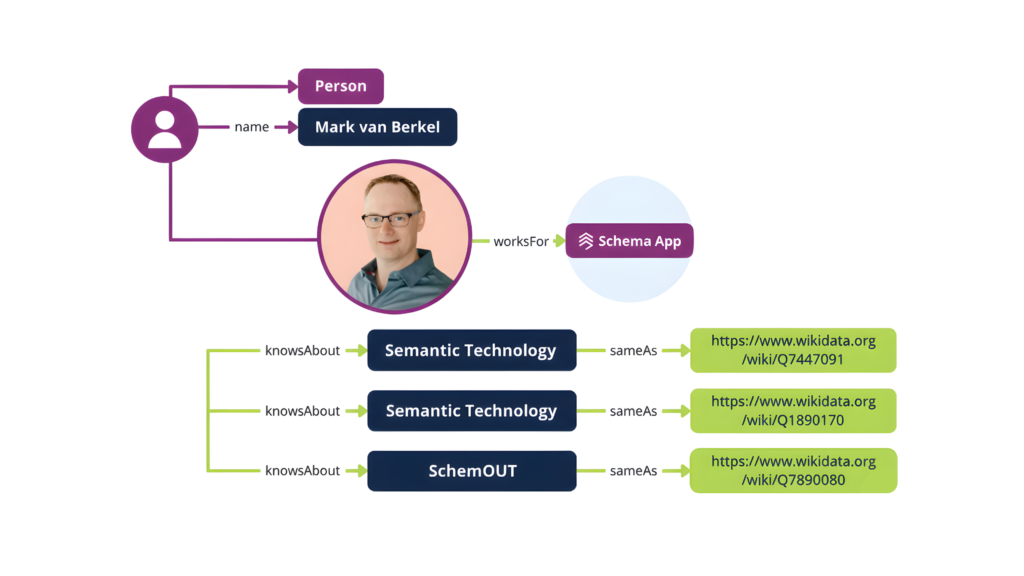
- Using schema markup that fits each unit’s content types
- Making mobile optimization work for each unit’s specific audience
Dedicated Link Building Campaigns per Unit
B2B link building means getting links from sites that shape buying decisions in specific niches. Each business unit needs its own link strategy focused on trusted platforms in their industry.
Different units need different approaches:
- Digital PR and listicle link building work great for some units
- Full-funnel brand awareness campaigns help others get organic links
- Link building should blend with your overall business plans
The best enterprise SEO firms know that blending these specific tactics across units takes both expertise and teamwork. Without this balance, you might lose your collective advantage.
Scalable Systems and Automation for Multi-Unit SEO
Your enterprise needs adaptable systems as it grows. These systems are crucial to succeed at multi-unit enterprise SEO. SEO management becomes chaotic without automation when handling business units of all sizes.
Using Templates for On-Page Optimization
On-page SEO templates work as detailed checklists. They ensure consistent optimization throughout your enterprise website. Your process becomes simpler with these templates. They provide clear roadmaps for all essential elements—from title tags to meta descriptions to keyword placement. A complete template helps teams stay thorough. Nothing gets overlooked during optimization.
Templates give key advantages for decentralized SEO challenges:
- Quality standards stay high across your website
- Teams work better with shared frameworks
- Quick changes and updates happen at scale
Automated Reporting Dashboards by Unit
Marketing teams often waste afternoons. They copy data from multiple platforms into presentations that nobody reads fully. Automated dashboards solve this problem.
Automated reporting tools collect data from many sources instantly. They show real-time updates without manual checks. Each business unit needs its own dashboard. These dashboards display relevant KPIs, from keyword rankings to revenue contribution.
Content Governance and Approval Workflows
Content governance creates a framework of policies, workflows, and responsibilities. This framework ensures consistent SEO implementation across your organization. Good governance removes bottlenecks by creating clear decision paths.
Your organization should add:
- Internal SEO playbooks that standardize processes across units
- SEO champions in every department to speed up decisions
- Monthly strategy meetings that connect key teams
Enterprise SEO firms know that automation complements professionals. It frees them to focus on strategic work that matters.
Conclusion
Successful multi-unit enterprise SEO needs a delicate balance of specialized expertise and teamwork across your organization. Each division needs its own strategy that aligns with specific goals, audiences, and metrics. A generic approach won’t deliver the results you want.
Traditional SEO approaches often fail complex enterprises due to content overlap, mixed messaging, and control issues. A hybrid “hub-and-spoke” model helps you keep brand consistency while you retain control of individual business units.
Flexible systems support your distributed SEO work effectively. Your organization can grow smoothly with templates, automated dashboards, and clear content guidelines. These tools let your teams concentrate on strategic work instead of paperwork.
Your enterprise website should have SEO strategies as diverse as your business. RankFast creates custom, informed SEO approaches that work for each business unit’s unique requirements while keeping your brand message consistent. You can boost your search visibility by putting these unit-specific strategies to work across your business.
FAQs
Q1. Why is a one-size-fits-all SEO approach ineffective for enterprise websites?
A one-size-fits-all approach is ineffective because different business units within an enterprise have unique goals, target audiences, and performance metrics. Each unit requires a tailored SEO strategy to effectively reach its specific market and achieve its distinct objectives.
Q2. How can content cannibalization be avoided in multi-unit enterprise SEO?
Content cannibalization can be avoided by implementing a decentralized SEO approach with clear governance. This includes coordinating content creation across units, using an enterprise subfolder strategy, and establishing clear guidelines for keyword targeting to prevent multiple pages from competing for the same search terms.
Q3. What are the benefits of a hybrid “hub-and-spoke” SEO structure for enterprises?
A hybrid “hub-and-spoke” structure combines the benefits of centralized and decentralized models. It maintains brand consistency and standardized practices through a central SEO team while allowing for customization and faster response times with dedicated teams embedded in each business unit.
Q4. How can enterprises ensure consistent messaging across different business units?
Enterprises can ensure consistent messaging by establishing clear brand guidelines, implementing a centralized content governance framework, and using collaboration tools that facilitate communication between units. Regular cross-functional meetings and unified dashboards can also help align SEO efforts across the organization.
Q5. What role do automated systems play in managing multi-unit enterprise SEO?
Automated systems play a crucial role in scaling SEO efforts across multiple business units. They help streamline processes through templates for on-page optimization, automated reporting dashboards customized for each unit, and content governance workflows.